
















Best Food for Honey Bees
Author: Hornsby Beekeeping Date Posted:18 February 2026
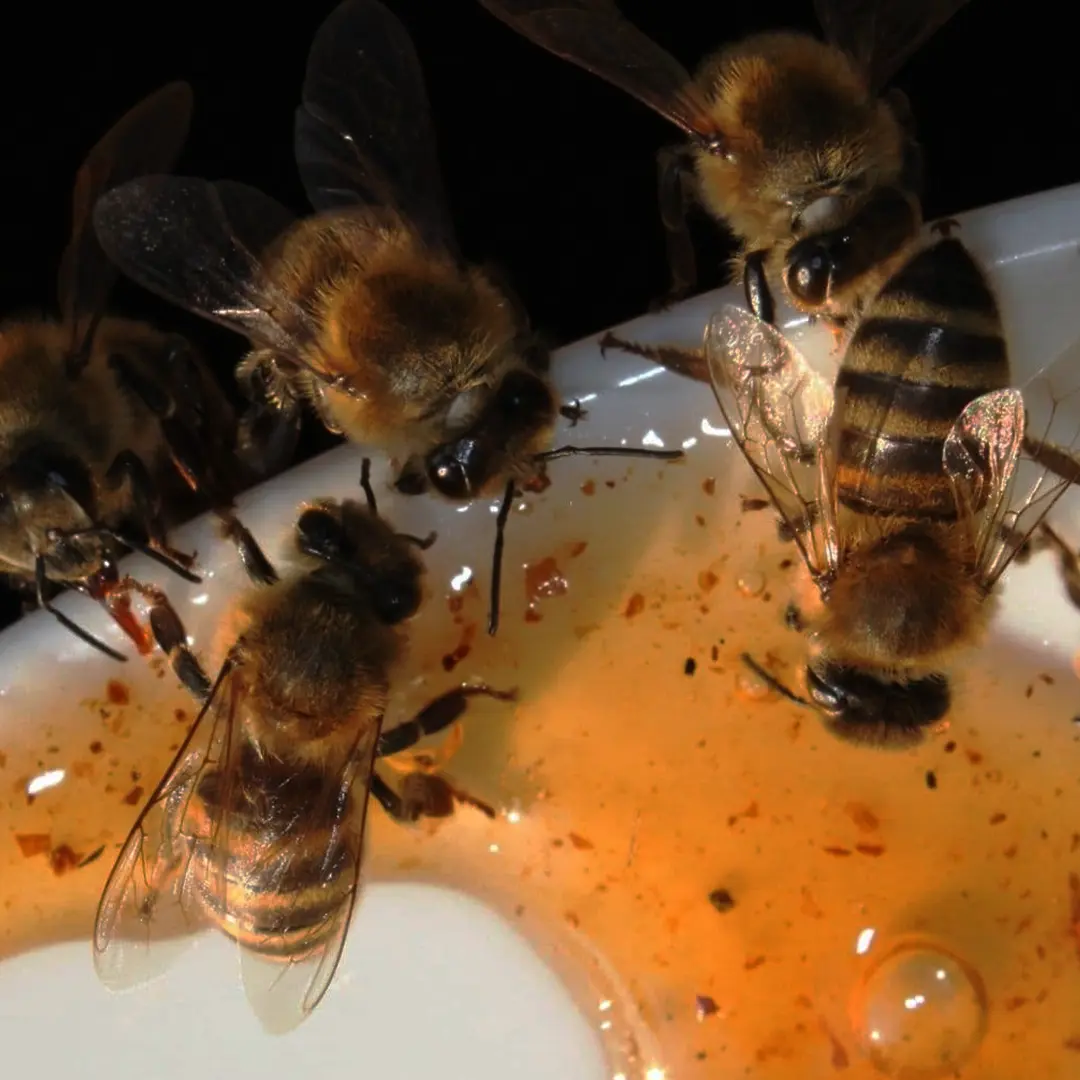
Bees don’t need fancy supplements. In nature, they survive on two simple things: nectar and pollen. But when seasons shift, drought hits, or flowering slows down, even healthy colonies can struggle. That’s when many beekeepers start asking the same question: what is the best food for honey bees?
For Australian beekeepers, the answer depends on timing, climate, and hive condition. Feeding can support a colony, but only when done correctly. Here’s what you need to know.
What Do Honey Bees Naturally Eat?
The natural diet of honey bees consists of:
- Nectar: The primary carbohydrate source, converted into honey
- Pollen: The protein source, essential for brood development
Nectar provides energy for flying, foraging, and maintaining hive temperature. Pollen supplies protein, fats, vitamins, and minerals needed to raise healthy larvae. In ideal conditions, bees should get all their nutrition from flowering plants. Native Australian flora often provides excellent forage when seasonal patterns are stable.
However, natural food availability isn’t always consistent.
When Do Bees Need Supplemental Feeding?
Feeding should never replace natural forage. It should only support bees during periods of stress.
Common situations where feeding may be necessary:
-
Extended drought
-
Bushfire recovery areas
-
Early spring build-up
-
Late autumn nectar shortages
-
Newly established colonies
-
After honey harvesting if stores are low
In many parts of Australia, warm climates can extend brood cycles, increasing food demand. If nectar flow slows unexpectedly, colonies may consume stored honey faster than expected. Monitoring hive weight and food stores is more important than feeding automatically.
Best Food for Honey Bees (Natural vs Supplemental)
Let’s break this into two categories.
1. Natural Food (Always the Best Option)
Whenever possible, the best food for honey bees is:
-
Diverse flowering plants
-
Native Australian flora
-
Seasonal nectar flows
-
Fresh pollen sources
Encouraging forage diversity near your apiary supports stronger colonies long-term. Planting bee-friendly plants and protecting local flowering habitats reduces the need for artificial feeding.
2. Supplemental Feeding (When Necessary)
When natural food is unavailable, beekeepers can provide:
Sugar Syrup
Sugar syrup is the most common emergency food source. It provides carbohydrates but no protein.
Typical ratios:
-
1:1 sugar to water (spring stimulation feeding)
-
2:1 sugar to water (autumn or pre-winter feeding)
Use plain white sugar only. Avoid brown sugar, molasses, or artificial sweeteners.
Sugar syrup supports energy needs but does not replace pollen nutrition.
Pollen Substitutes
When natural pollen is scarce, protein supplements can help maintain brood production.
These are typically used:
-
During early spring build-up
-
In areas experiencing pollen shortages
However, pollen substitutes should be used carefully. Overuse can encourage brood expansion when environmental conditions do not support it.
Seasonal Feeding Considerations in Australia
Australia’s climate varies widely, but some general guidelines apply.
Spring
Colonies expand rapidly. If natural nectar is delayed, light 1:1 syrup may help stimulate brood development.
Summer
In drought-prone regions, nectar dearth can occur. Monitor hive stores closely. Feeding may prevent colony stress.
Autumn
Ensure sufficient honey stores before cooler months. Heavier syrup (2:1) may be used if stores are low.
Winter
In many Australian regions, bees remain semi-active. Feeding is only necessary if honey reserves are critically low.
The key principle: feed based on hive condition, not calendar dates.
Common Feeding Mistakes to Avoid
Feeding can help, but mistakes can cause problems.
So avoid:
-
Feeding during strong nectar flows
-
Overfeeding, which can reduce natural foraging
-
Using incorrect sugar ratios
-
Feeding contaminated or fermented syrup
-
Leaving feeders exposed, attracting pests
Poor feeding practices can encourage robbing behaviour and increase hive stress.
Responsible feeding is about balance, not routine.
Is Sugar Water Good for Bees?
Sugar water can help prevent starvation during nectar shortages. However, it is not a complete diet.
It lacks:
-
Protein
-
Essential micronutrients
-
Natural plant compounds found in nectar
Think of sugar syrup as emergency fuel, not long-term nutrition. Strong colonies thrive on diverse natural forage.
Final Thoughts
The best food for honey bees is always natural nectar and pollen. Supplemental feeding should only be used strategically when environmental conditions limit forage availability.
For Australian beekeepers, changing climate patterns make hive monitoring more important than ever. Understanding when to feed and when not to protect both colony strength and long-term hive productivity. So, feeding should support bees, not replace nature.
FAQs
What is the best natural food for honey bees?
Nectar and pollen from diverse flowering plants are the best natural food sources.
Can I feed bees sugar water all year?
No. Sugar syrup should only be used during nectar shortages or specific seasonal needs.
What sugar ratio is best for bees?
1:1 for spring stimulation and 2:1 for autumn food storage support.
Do bees need protein supplements?
Only if natural pollen is unavailable and brood production is at risk.
Should beginner beekeepers feed bees automatically?
No. Always inspect hive stores before deciding to feed.