
















Common Bee Feeding Mistakes and How to Avoid Them
Author: Hornsby Beekeeping Date Posted:18 June 2026
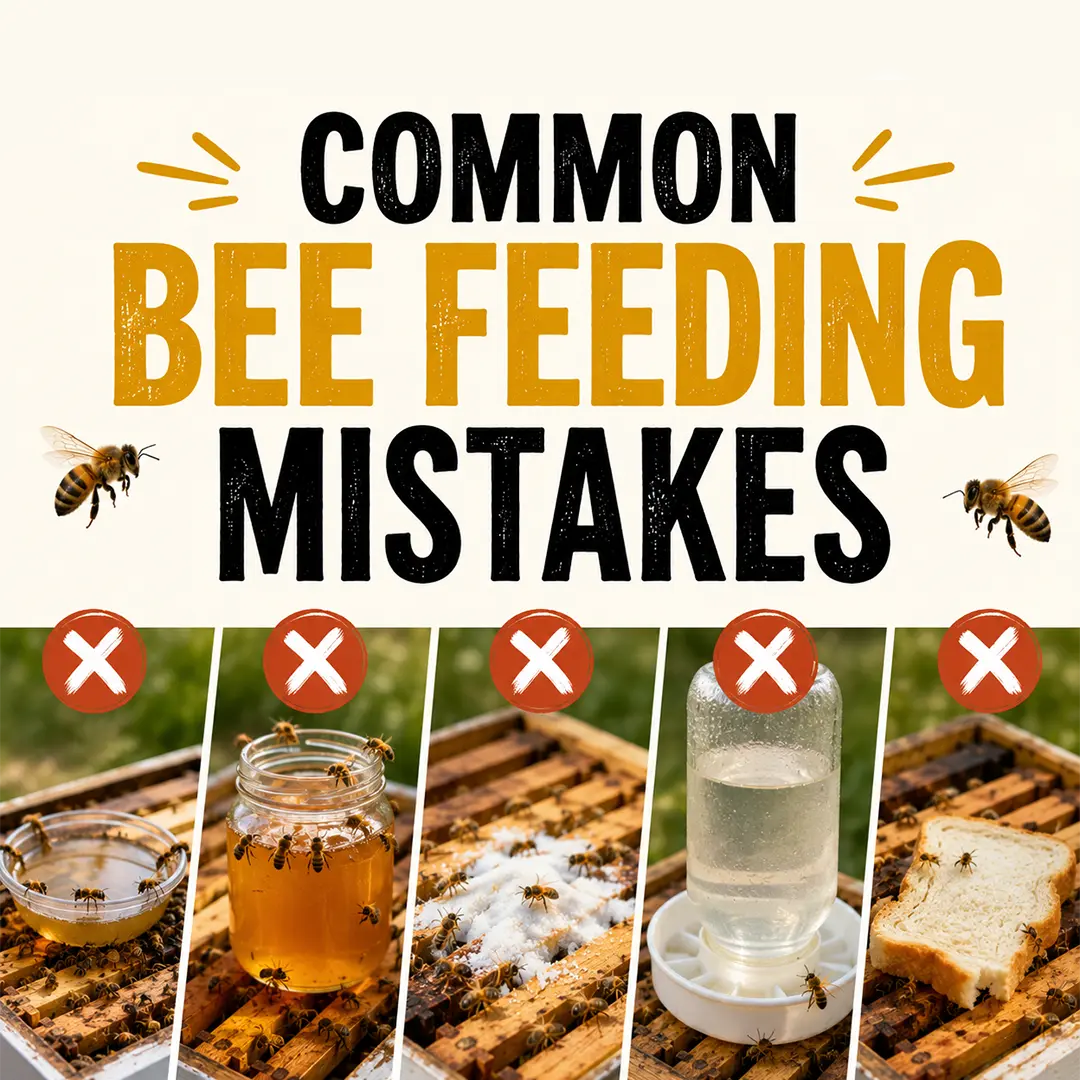
Feeding bees can be a valuable management tool, especially during periods of nectar shortage, colony establishment, or seasonal transitions. However, feeding bees incorrectly can create more problems than it solves. From encouraging robbing to causing nutritional deficiencies, simple mistakes can impact colony health and honey production.
Whether you're a new beekeeper or have years of experience, understanding the most common bee feeding mistakes can help you maintain stronger, healthier hives throughout the year.
Should You Feed Bees?
The first question many beekeepers ask is whether bees need feeding at all.
In ideal conditions, honey bees gather nectar and pollen from flowering plants and store enough honey to sustain themselves. However, there are times when supplemental feeding becomes necessary, including:
-
Installing a new package or nucleus colony
-
During droughts or nectar shortages
-
After harvesting honey
-
During colony recovery
-
Preparing colonies for winter
-
Supporting weak hives
The key is knowing when feeding is helpful and when it may cause problems.
Mistake #1: Feeding Bees When Natural Resources Are Abundant
One of the most common mistakes is feeding colonies during a strong nectar flow.
When flowers are producing plenty of nectar, bees generally do not need supplemental feeding. Providing sugar syrup during these periods can reduce natural foraging activity and may even result in syrup being stored in honey supers.
Better Approach
Monitor local flowering conditions and only feed when colonies genuinely require additional resources.
Mistake #2: Using the Wrong Sugar
Not all sugars are suitable for bees.
Some beekeepers mistakenly use brown sugar, raw sugar, molasses, or artificial sweeteners. These products contain minerals and compounds that bees cannot process efficiently and may contribute to digestive issues.
Best Practice
Use only:
-
White refined sugar
-
Clean water
-
Commercial bee feed products specifically designed for honey bees
Avoid:
-
Brown sugar
-
Molasses
-
Artificial sweeteners
-
Flavoured syrups
Mistake #3: Feeding During Honey Production
A major concern among beekeepers is contaminating honey stores.
If bees are fed sugar syrup while honey supers are installed, they may store the syrup alongside nectar. This can affect honey quality and create harvesting concerns.
Best Practice
Remove feeders before placing honey supers on production hives.
This helps ensure harvested honey comes from natural nectar sources rather than supplemental feed.
Mistake #4: Ignoring Protein Requirements
Many beekeepers focus only on carbohydrates and overlook the importance of protein.
Sugar syrup provides energy but does not replace pollen. Bees require protein for brood development, immune function, and colony growth.
Without adequate protein sources, colonies may struggle to raise healthy young bees.
Signs of Protein Shortage
-
Reduced brood production
-
Slow colony growth
-
Weak populations
-
Poor spring build-up
During pollen shortages, protein supplements or pollen patties may be beneficial.
Mistake #5: Feeding Too Late
Timing is critical when feeding bees.
Waiting until a colony is already starving often leaves little opportunity for recovery. Weak colonies can decline rapidly once food stores become critically low.
Better Approach
Regular hive inspections help identify low food reserves before they become an emergency.
Look for:
-
Low honey stores
-
Reduced nectar reserves
-
Poor brood patterns
-
Declining colony strength
Early intervention is often more effective than emergency feeding.
Mistake #6: Creating Robbing Behaviour
Robbing occurs when bees from one colony steal resources from another hive.
Improper feeding methods can attract large numbers of bees and trigger aggressive robbing activity.
Common Causes
- Spilled syrup around hives
- Open feeding stations
- Leaking feeders
- Feeding weak colonies without protection
How to Prevent Robbing
-
Use enclosed hive feeders
-
Clean up spills immediately
-
Reduce hive entrances when necessary
-
Feed during quieter periods
Preventing robbing helps reduce colony stress and protects weaker hives.
Mistake #7: Using Dirty Feeders
Feeders can become breeding grounds for mould, yeast, and harmful bacteria if not cleaned regularly.
Contaminated syrup may discourage feeding and potentially affect colony health.
Best Practice
Always:
-
Clean feeders between uses
-
Remove old syrup
-
Replace spoiled feed immediately
-
Check feeders regularly during warm weather
Fresh feed is safer and more attractive to bees.
Mistake #8: Overfeeding the Colony
More feed does not always mean a healthier colony.
Excess feeding can fill brood space with stored syrup, leaving less room for the queen to lay eggs. This may slow colony development and increase swarming pressure.
Better Approach
Feed only enough to achieve your management goal, whether that is colony establishment, winter preparation, or supporting weak colonies.
Mistake #9: Feeding at the Wrong Time of Day
Feeding bees during peak foraging hours can attract unwanted attention from neighbouring colonies.
Many experienced beekeepers prefer feeding in the evening when bee activity is lower.
Benefits of Evening Feeding
- Reduced robbing risk
- Less disturbance
- Better feeder acceptance
- Lower attraction to wasps and pests
How to Know If Your Bees Need Feeding
Before adding feed, assess the colony's condition.
Ask yourself:
-
Are honey stores low?
-
Is natural forage scarce?
-
Is the colony newly established?
-
Are bees struggling to build comb?
-
Is the colony preparing for winter?
If the answer is yes to one or more of these questions, supplemental feeding may be appropriate.
Conclusion
Feeding bees can be an effective management strategy, but success depends on timing, technique, and understanding colony needs. Avoiding common bee feeding mistakes helps maintain healthy colonies, supports brood production, and reduces problems such as robbing and honey contamination.
By providing the right nutrition at the right time, beekeepers can help their colonies thrive throughout the season.
If you need feeders, bee nutrition products, or expert advice on colony management, contact Hornsby Beekeeping Supplies on +612 9477 5569 or email info@hornsby-beekeeping.com. Our team is ready to help you keep your bees healthy and productive.
FAQs
What is the best food to feed honey bees?
White sugar syrup is the most commonly used supplemental feed for honey bees. During pollen shortages, protein supplements may also be beneficial.
Can I feed bees all year round?
Bees should only be fed when necessary. Feeding during strong nectar flows or honey production periods is generally not recommended.
Why are my bees ignoring sugar syrup?
Bees often ignore syrup when natural nectar sources are abundant. Temperature, feeder placement, and colony condition can also affect feeding behaviour.
Can feeding bees cause robbing?
Yes. Spilled syrup, open feeders, and poor feeding practices can attract neighbouring colonies and trigger robbing behaviour.