















What Is Bee Bread and Why Is It Important for Colony Health?
Author: Hornsby Beekeeping Date Posted:30 June 2026
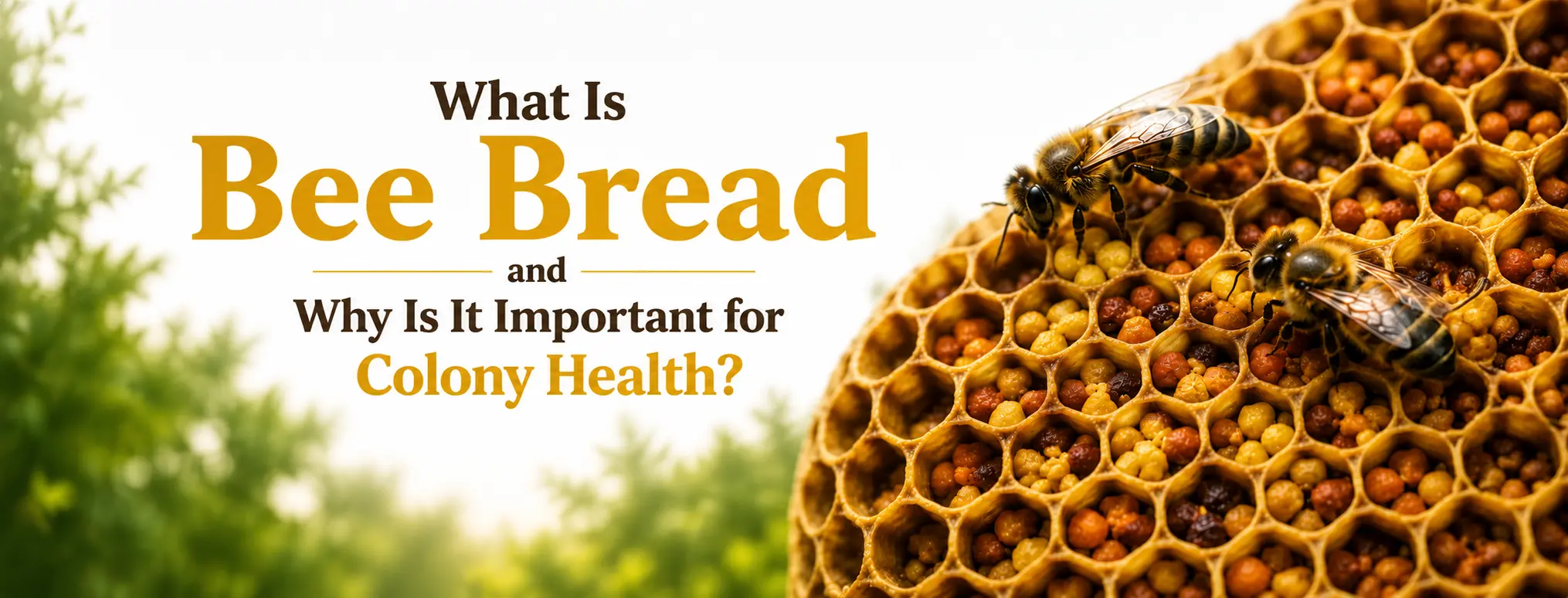
Bee bread is one of the most important foods inside a honey bee colony, yet many beginner beekeepers do not notice it during hive inspections. It is not the same as honey, and it is not just loose pollen. Bee bread is stored pollen that bees mix with nectar or honey and enzymes before packing it into comb cells near the brood nest.
For Australian beekeepers, understanding bee bread is important because it tells you a lot about colony nutrition. A hive may have honey stores, but if it has poor pollen or bee bread stores, brood production can slow down. Nurse bees need good nutrition to feed developing larvae, and the colony needs a steady supply of protein-rich food to raise healthy young bees.
In simple terms, honey gives bees energy, while bee bread helps build the next generation of bees. If the colony does not have enough bee bread, it may struggle to grow, recover from stress, prepare for nectar flows or maintain strong brood production.
What Is Bee Bread?
Bee bread is fermented or processed pollen stored inside the hive. Forager bees collect pollen from flowers and carry it back to the colony in pollen baskets on their back legs. Once inside the hive, house bees pack the pollen into wax cells and mix it with nectar, honey and bee enzymes.
Over time, this stored pollen changes into bee bread. It becomes easier for the colony to store and use as a protein-rich food source. You will often find bee bread close to the brood nest because young larvae and nurse bees need it nearby.
Bee bread usually appears as coloured material packed into cells around or near the brood. The colour can vary depending on the flowers bees are visiting. It may be yellow, orange, brown, red, grey or even dark purple. A healthy hive often has a mix of colours because bees collect pollen from different plants.
Bee Bread vs Pollen: What Is the Difference?
Bee bread begins as pollen, but it is not exactly the same by the time it is stored in the hive. Fresh pollen is collected from flowers, while bee bread is pollen that has been processed and packed into a comb by the bees.
This difference matters because bee bread is the form of pollen the colony keeps for later use. It is stored where bees need it most, especially around the brood nest. When the colony is raising larvae, nurse bees consume bee bread and use its nutrients to produce brood food.
A simple way to understand it is:
-
Pollen is collected from flowers.
-
Bee bread is pollen stored and processed inside the hive.
-
Honey is mainly an energy food made from nectar.
-
Bee bread is mainly a protein and nutrient food used for brood and young bees.
Both honey and bee bread are essential, but they support the colony in different ways. A hive with plenty of honey but very little bee bread may still struggle to raise brood.
Why Bee Bread Is Important for Colony Health
Bee bread supports colony health because it provides the nutrients bees need for growth, brood rearing and young adult development. Honey bees need carbohydrates from nectar and honey, but they also need protein, amino acids, fats, vitamins, minerals and sterols from pollen-based food.
This is especially important for nurse bees. Nurse bees are young worker bees that feed larvae and help maintain the brood nest. If nurse bees do not have enough protein-rich food, their ability to feed broods properly can be affected. Over time, this can reduce colony growth and weaken the hive.
Bee bread is important because it helps support:
-
Brood production
-
Larval development
-
Nurse bee strength
-
Young adult bee development
-
Colony build-up before nectar flow
-
Recovery after stress or poor weather
-
Better population growth in spring
-
Stronger hive performance through the season
In short, bee bread is one of the main links between flowers outside the hive and healthy brood inside the hive.
How Bees Use Bee Bread in the Hive
Bee bread is usually stored close to the brood area because it needs to be available where larvae are being raised. Nurse bees consume bee bread and use it to support the production of brood food. This brood food is then fed to developing larvae.
As the queen increases egg laying, the colony needs more bee bread. That is why pollen collection often increases during spring build-up or whenever the colony is expanding. If the brood nest is growing but pollen is limited, the colony may not be able to support the same level of brood production.
This is also why beekeepers should look beyond honey stores during inspections. Honey tells you whether the colony has energy reserves. Bee bread tells you whether the colony has the protein resources needed to raise new bees.
What Bee Bread Looks Like During an Inspection
During a hive inspection, bee bread is usually seen in cells near the brood nest. It may form a band or patch around brood frames. The colour depends on the flowers bees have visited, so do not expect every hive to have the same colour bee bread.
Healthy bee bread is usually packed neatly into cells. It may appear moist, firm and slightly shiny, but it should not look slimy, mouldy or rotten. A variety of colours can be a good sign because it may indicate that bees are collecting pollen from different plant sources.
When inspecting, look for:
-
Bee bread around the brood nest
-
Different pollen colours in stored cells
-
Fresh pollen being carried by returning foragers
-
Nurse bees working across brood frames
-
A healthy brood pattern near pollen stores
-
Enough pollen stores to support current brood levels
If you see brood but very little bee bread, the hive may be short on protein resources. This does not always mean immediate danger, but it is something to monitor.
Signs a Hive May Not Have Enough Bee Bread
A shortage of bee bread can affect colony growth, especially during brood-rearing periods. However, it is important not to diagnose the hive from one sign only. Poor brood production can also be caused by queen issues, disease, pests, weather stress or lack of nectar.
Still, low bee bread stores may be a concern if you notice several of these signs together:
-
Very little stored pollen around brood frames
-
Few bees returning with pollen
-
Reduced brood area during a growth period
-
Patchy brood pattern without obvious disease
-
Weak spring build-up
-
Slow recovery after a split or swarm
-
Poor colony strength despite honey stores
-
Nurse bees not covering brood well
If these signs appear, first check the colony properly. Look at queen status, brood health, pest pressure, food stores and local flowering conditions before deciding what action to take.
Why Australian Beekeepers Should Watch Bee Bread Stores
Australia has very different beekeeping conditions depending on location. A hive in coastal New South Wales may experience different pollen flows from a hive in inland Victoria, Queensland, Western Australia or Tasmania. Rainfall, drought, bushfire recovery, native flowering cycles and urban planting can all affect pollen availability.
In some seasons, bees may have plenty of nectar but limited pollen. In other seasons, they may collect pollen but not enough nectar. Because of this, Australian beekeepers should inspect both honey stores and bee bread stores when assessing colony health.
Bee bread is especially important during:
-
Spring colony build-up
-
Queen rearing
-
Splitting colonies
-
Requeening recovery
-
Autumn preparation
-
Drought recovery
-
Pollination work
-
Periods after heavy rain or poor weather
-
Times when local flowering is limited
When pollen is available from diverse plants, colonies often have better nutritional support. When the landscape is dry, overgrazed, heavily urbanised or affected by poor flowering, bees may have fewer pollen options.
Bee Bread and Brood Production
Brood production depends on a steady supply of food. The queen may be capable of laying well, but the colony still needs enough nurse bees and nutrition to raise larvae successfully. Bee bread helps provide that nutrition.
When bee bread is available, nurse bees can support developing larvae more effectively. This helps the colony maintain a stronger population. A strong population then supports more foraging, better hive defence and stronger honey production potential.
However, when bee bread is scarce, the colony may reduce brood rearing. This is a natural survival response. Bees will not usually continue raising large amounts of brood if they cannot feed it properly. For beekeepers, this can appear as a shrinking brood nest or slow colony growth.
Bee Bread and Nurse Bees
Nurse bees are central to colony health. These young worker bees feed larvae, care for brood and support the internal work of the hive. To do this properly, they need good nutrition, and bee bread is a major part of that nutritional supply.
When nurse bees have access to quality bee bread, they are better positioned to feed larvae and support colony development. If protein nutrition is poor, the effects may not be obvious immediately, but over time the colony may become weaker.
This is one reason why pollen stores matter before a major nectar flow. A hive needs a strong workforce before it can produce surplus honey. Bee bread helps build that workforce.
Bee Bread, Seasonal Changes and Hive Strength
Bee bread levels naturally change through the season. During spring, strong colonies may collect and use pollen quickly because brood production is increasing. In summer, pollen availability can vary depending on heat, drought and local flowering. In autumn, pollen stores may help the colony prepare for cooler months.
Because bee bread is constantly being used, beekeepers should not expect every hive to have large amounts stored at all times. The key is balance. A healthy colony should have enough pollen coming in and enough bee bread stored to support the brood it is raising.
If the hive has an expanding brood but very little pollen coming in, it may need closer monitoring. On the other hand, if there is plenty of bee bread but little brood, the issue may be queen-related or linked to other colony problems.
How to Support Better Bee Bread Stores
Beekeepers cannot make bee bread directly; bees make it themselves from collected pollen. However, beekeepers can support the conditions that allow colonies to collect and store enough pollen.
Practical ways to support bee bread stores include:
-
Keep colonies strong and queen-right.
-
Place hives near diverse flowering plants where possible.
-
Avoid overstocking apiary sites with too many hives.
-
Monitor pollen stores during drought or poor flowering periods.
-
Plant bee-friendly flowers that provide pollen across seasons.
-
Avoid pesticide use on flowering plants visited by bees.
-
Keep good inspection records to track pollen flow.
-
Feed supplements only when needed and appropriate.
The best long-term solution is usually better forage diversity. A landscape with mixed flowering trees, shrubs, herbs and weeds can provide more reliable pollen than a landscape with only short seasonal flowering.
Should Beekeepers Use Pollen Supplements?
Natural pollen is usually the best food source for bees, but there are times when supplementary feeding may be considered. This may happen during pollen shortages, drought, colony build-up, queen rearing, pollination preparation or recovery after stress.
However, pollen supplements should be used carefully. They are not a replacement for good forage, and they should not be used without understanding the colony’s needs. Overfeeding or feeding at the wrong time can create management problems.
Before using pollen supplements, consider:
-
Is the colony actually short of pollen?
-
Is brood production being limited?
-
Are there enough honey or nectar stores?
-
Is the queen laying properly?
-
Are pests or disease affecting the hive?
-
Is natural pollen likely to become available soon?
-
Are you using a suitable product for bees?
If you are unsure, ask an experienced beekeeper or supplier before feeding. Feeding should support good management, not replace proper hive assessment.
Bee Bread and Honey Production
Bee bread does not become honey, but it still affects honey production indirectly. A hive needs a large, healthy workforce to collect nectar and process it into honey. That workforce starts with strong brood production, and strong brood production depends partly on good pollen nutrition.
If a colony lacks bee bread during a critical build-up period, it may not produce enough young bees before the main nectar flow. As a result, the hive may miss the best honey-producing window even if flowers are available later.
This is why honey production is not only about nectar. Good beekeepers also watch pollen flow, brood health and colony population. Bee bread is part of the foundation that allows a hive to become productive.
Common Mistakes Beekeepers Make With Bee Bread
Many beginners focus mainly on honey stores and overlook pollen. While honey is important, it does not provide the same nutrition as bee bread. A colony needs both energy and protein to stay healthy.
Common mistakes include:
-
Assuming honey stores mean the hive has complete nutrition
-
Ignoring pollen stores during brood expansion
-
Harvesting too much without checking colony strength
-
Missing signs of poor pollen flow
-
Overstocking hives in areas with limited forage
-
Using supplements without checking the real problem
-
Confusing mouldy or damaged comb with healthy bee bread
-
Not planting pollen-rich flowers around the apiary
Avoiding these mistakes helps beekeepers make better decisions during inspections.
Bee Bread Inspection Checklist
Use this checklist during routine hive inspections, especially in spring, autumn or during uncertain weather conditions:
-
Are bees bringing pollen into the hive?
-
Is bee bread stored near the brood nest?
-
Are there several colours of pollen in the comb?
-
Is the brood pattern healthy and supported by stores?
-
Are nurse bees covering the brood area well?
-
Is the colony using bee bread faster than it is storing it?
-
Are local flowers providing pollen?
-
Are honey stores also adequate?
-
Are pests or disease affecting brood health?
-
Does the colony need support before conditions worsen?
This checklist helps you understand whether the hive has the nutrition needed to support growth.
Final Thoughts
Bee bread is one of the most important foods inside a honey bee colony. It is made from pollen that bees process and store in the comb, usually close to the brood nest. While honey provides energy, bee bread provides the protein and nutrients needed for brood production, nurse bee development and colony strength.
For Australian beekeepers, bee bread is an important sign of hive nutrition. A colony with healthy bee bread stores is better prepared to raise brood, build population and take advantage of nectar flows. On the other hand, a hive with poor pollen stores may struggle even if it has honey.
During inspections, do not only look for honey and the queen. Take time to check bee bread, pollen coming into the hive and how well the brood nest is being supported. This simple habit can help you understand colony health much more clearly.
If you need swarm collection equipment, nucleus boxes, protective clothing, or expert beekeeping advice, Hornsby Beekeeping Supplies is here to help. Contact our experienced team on 02 9477 5569 or email info@hornsby-beekeeping.com for trusted products and practical beekeeping support across Australia.
FAQs
What is bee bread in a hive?
Bee bread is stored pollen that bees mix with nectar or honey and enzymes before packing it into comb cells. It is usually found near the brood nest and is used as a nutrient-rich food source for the colony.
Is bee bread the same as pollen?
Bee bread starts as pollen, but it is not exactly the same. Pollen is collected from flowers, while bee bread is pollen that has been processed and stored inside the hive by the bees.
Why is bee bread important for bees?
Bee bread provides protein, amino acids, fats, vitamins, minerals and other nutrients needed for brood production, nurse bee development and overall colony strength.
Where is bee bread found in the hive?
Bee bread is usually found in cells near the brood nest. This makes it easy for nurse bees to access while feeding and caring for developing larvae.
What does bee bread look like?
Bee bread looks like coloured pollen packed into wax cells. It may be yellow, orange, brown, red, grey or darker shades depending on the flowers bees have visited.
Can a hive survive without bee bread?
A hive may survive for a short period with low bee bread, but long-term shortage can reduce brood production and weaken colony growth. Bees need pollen-based nutrition to raise healthy young bees.
Does bee bread affect honey production?
Yes, indirectly. Bee bread supports brood production, which helps build the workforce needed for nectar collection and honey storage. Without enough young bees, honey production may be reduced.
Should I feed pollen supplement if there is no bee bread?
Pollen supplement may help in some situations, but first check queen status, brood health, natural forage, honey stores and pest pressure. Supplements should support good management, not replace proper hive assessment.
How can I increase bee bread stores naturally?
Improve forage by placing hives near diverse flowering plants and planting pollen-rich flowers, herbs, shrubs and trees. Avoid pesticides on flowering plants and monitor pollen flow through the season.
Is bee bread important in Australia?
Yes. Australian colonies can face pollen shortages during drought, poor flowering, heat stress or seasonal gaps. Monitoring bee bread helps beekeepers understand whether the hive has enough nutrition to support brood and colony growth.