
















Best Time of Year to Install Bees
Author: Hornsby Beekeeping Date Posted:17 June 2026
Timing can play a major role in the success of a new honey bee colony. Installing bees during the right season gives them enough time to build comb, raise brood, gather food stores, and prepare for future weather conditions.
Many beginner beekeepers ask the same question: When is the best time of year to install bees?
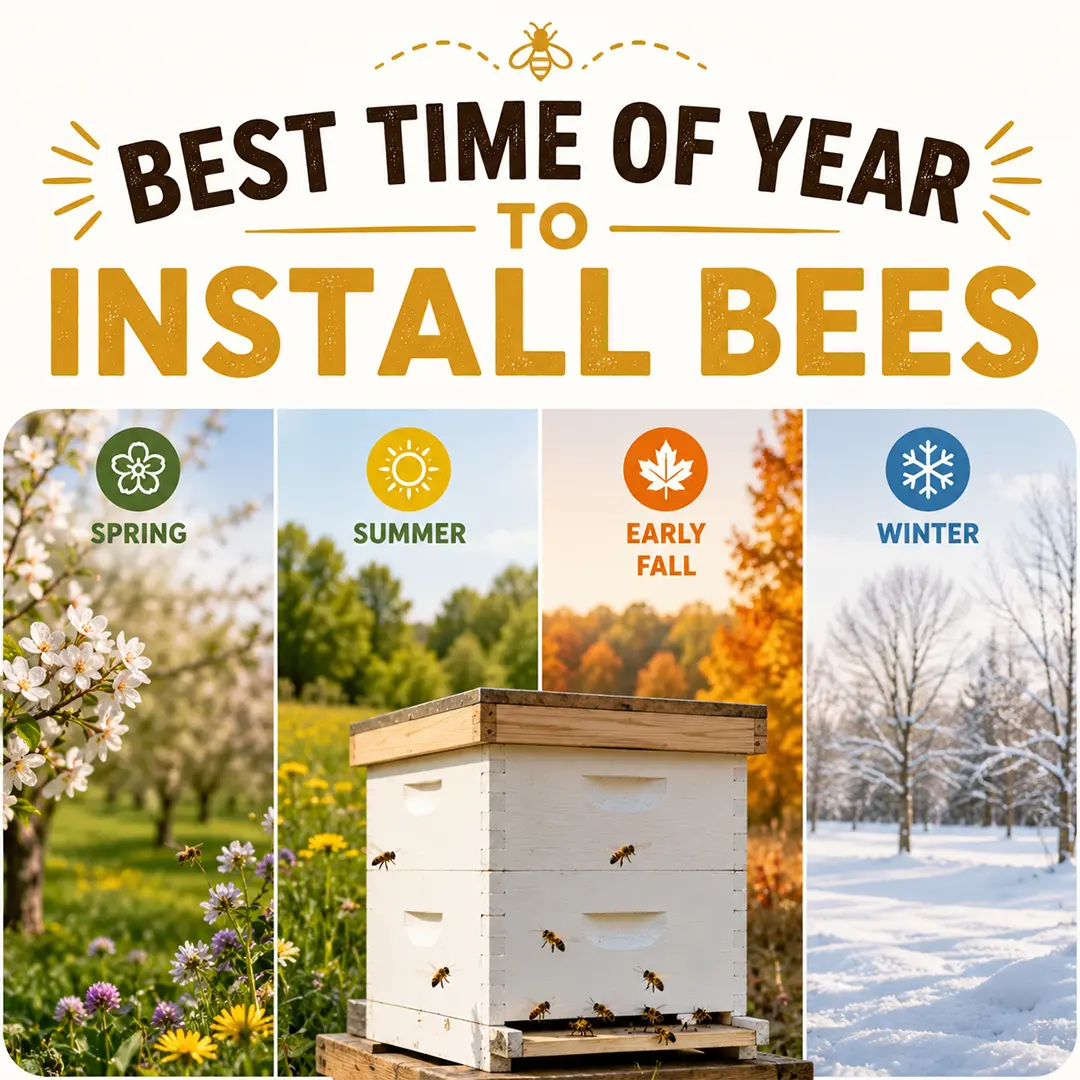
In most regions, spring is considered the ideal season because it provides favourable temperatures, increasing nectar availability, and optimal conditions for colony growth. However, local climate, bee availability, and forage conditions can also influence the best installation window.
This guide explains when to install bees, how seasonal conditions affect colony development, and what new beekeepers should consider before introducing bees to a hive.
What Is the Best Time of Year to Install Bees?
The best time to install bees is typically during early to mid-spring when daytime temperatures are consistently warm and flowers begin producing nectar and pollen.
Spring gives new colonies the longest possible period to:
-
Build comb
-
Raise worker bees
-
Collect food stores
-
Establish a healthy queen
-
Expand colony strength before winter
Most successful colonies are started during this period because environmental conditions naturally support growth.
Why Spring Is the Preferred Season for Installing Bees
Spring closely matches the natural growth cycle of honey bee colonies.
As temperatures rise and plants begin flowering, bees have access to the resources they need to expand rapidly.
Benefits of spring installation include:
-
Abundant nectar and pollen
-
Mild temperatures
-
Longer daylight hours
-
Increased brood production
-
Reduced colony stress
A colony installed during spring can often become fully established before the end of the season.
Early Spring vs Late Spring: Which Is Better?
Both periods can work well, but each offers different advantages.
Early Spring Installation
Installing bees early in spring gives colonies more time to grow before summer honey flows begin.
Advantages include:
-
Longer development period
-
Greater population growth
-
Increased honey production potential
-
More time to recover from setbacks
However, early spring weather can sometimes be unpredictable, requiring additional feeding and monitoring.
Late Spring Installation
Late spring generally provides warmer temperatures and more reliable forage availability.
Benefits include:
-
Better weather conditions
-
Strong nectar flow
-
Faster comb construction
-
Reduced feeding requirements
The main drawback is that colonies have less time to build strength before seasonal changes occur.
Can You Install Bees in Summer?
Yes, but summer installations often require additional management.
While bees can establish colonies during summer, they may face challenges such as:
-
High temperatures
-
Reduced nectar availability
-
Drought conditions
-
Increased water demand
If installing bees during summer:
-
Provide consistent feeding
-
Ensure access to water
-
Protect hives from excessive heat
-
Monitor colony progress closely
Summer installations can succeed, but colonies may not reach the same strength as spring-started hives.
Is Fall a Good Time to Install Bees?
Fall is generally considered a more challenging time to establish a new colony.
During autumn, bees shift their focus from expansion to preparing for winter survival.
Potential challenges include:
-
Reduced nectar flow
-
Shorter days
-
Declining temperatures
-
Limited brood production
New colonies installed in fall often require significant feeding and support to survive their first winter.
For beginner beekeepers, spring remains the safer and more reliable option.
How Temperature Affects New Bee Installations
Temperature plays a crucial role in colony establishment.
Honey bees perform best when daytime temperatures are warm enough to allow regular foraging activity.
Most beekeepers aim for:
-
Consistent daytime temperatures above 15°C
-
Minimal risk of frost
-
Stable weather patterns
Cold conditions can slow brood development and limit the colony's ability to gather resources.
Why Nectar and Pollen Availability Matter
Even the strongest colony can struggle if food resources are limited.
Before installing bees, consider whether local plants are actively producing nectar and pollen.
Good forage sources may include:
-
Native flowering plants
-
Fruit trees
-
Clover
-
Eucalyptus species
-
Garden flowers
-
Agricultural crops
A strong nectar flow helps colonies build comb faster and support rapid population growth.
Climate Considerations for Different Regions
The ideal installation time varies depending on local conditions.
Cooler Regions
Beekeepers in cooler climates often wait until temperatures become consistently mild before installing bees.
Warm Regions
In warmer areas, colonies may be installed earlier because flowering begins sooner.
Tropical and Subtropical Areas
Regions with year-round flowering may offer greater flexibility for installing bees.
Always consider local weather patterns rather than relying solely on calendar dates.
Signs It's the Right Time to Install Bees
Several indicators can help determine whether conditions are suitable.
Look for:
-
Consistent warm weather
-
Active flowering plants
-
Local bee activity
-
Availability of package bees or nucs
-
Stable overnight temperatures
When multiple signs align, colonies are more likely to establish successfully.
How Long Does a New Colony Take to Establish?
A newly installed colony typically requires several weeks to become established.
During this period, bees will:
-
Build comb
-
Raise brood
-
Store food
-
Expand the workforce
Most colonies show significant progress within the first month if conditions remain favourable.
Strong spring installations often reach peak strength by mid to late summer.
Tips for Successful Bee Installation
Regardless of the season, several practices can improve success rates.
Prepare the Hive Before Bees Arrive
Have all equipment assembled and ready to go.
Feed When Necessary
Sugar syrup can help colonies build comb and support brood production.
Choose Healthy Bees
Purchase bees from reputable suppliers with strong, healthy queens.
Minimize Disturbance
Avoid excessive inspections during the first few weeks.
Monitor Colony Growth
Regularly check for eggs, brood, and food stores.
These steps can help new colonies establish more quickly and reduce stress.
Common Mistakes New Beekeepers Make
Installing Too Early
Cold weather can slow colony development and increase food consumption.
Ignoring Local Conditions
Seasonal calendars vary by region, so local conditions should guide decisions.
Underestimating Feeding Needs
New colonies often require supplemental feeding during establishment.
Expecting Immediate Honey Production
Most first-year colonies focus on growth rather than producing surplus honey.
Avoiding these mistakes can improve colony health and long-term productivity.
Final Thoughts
The best time of year to install bees is usually during spring when temperatures are warming and nectar sources are becoming abundant. Spring provides the ideal combination of favourable weather, food availability, and colony growth potential.
While bees can be installed during other seasons, spring gives new colonies the greatest opportunity to establish, thrive, and prepare for future challenges. By understanding seasonal conditions and planning ahead, beekeepers can give their bees the strongest possible start.
Frequently Asked Questions
What month is best to install bees?
The exact month depends on your location, but most beekeepers install bees during early to mid-spring when temperatures become consistently warm.
Can you install bees in summer?
Yes. However, summer installations may require additional feeding, water, and heat management.
Is it too late to install bees in autumn?
Not necessarily, but fall installations are generally more difficult because colonies have less time to prepare for winter.
How warm should it be before installing bees?
Most beekeepers prefer daytime temperatures above 15°C with stable weather conditions.
Do newly installed bees need feeding?
In many cases, yes. Supplemental feeding can help bees build comb and establish the colony more quickly.