
















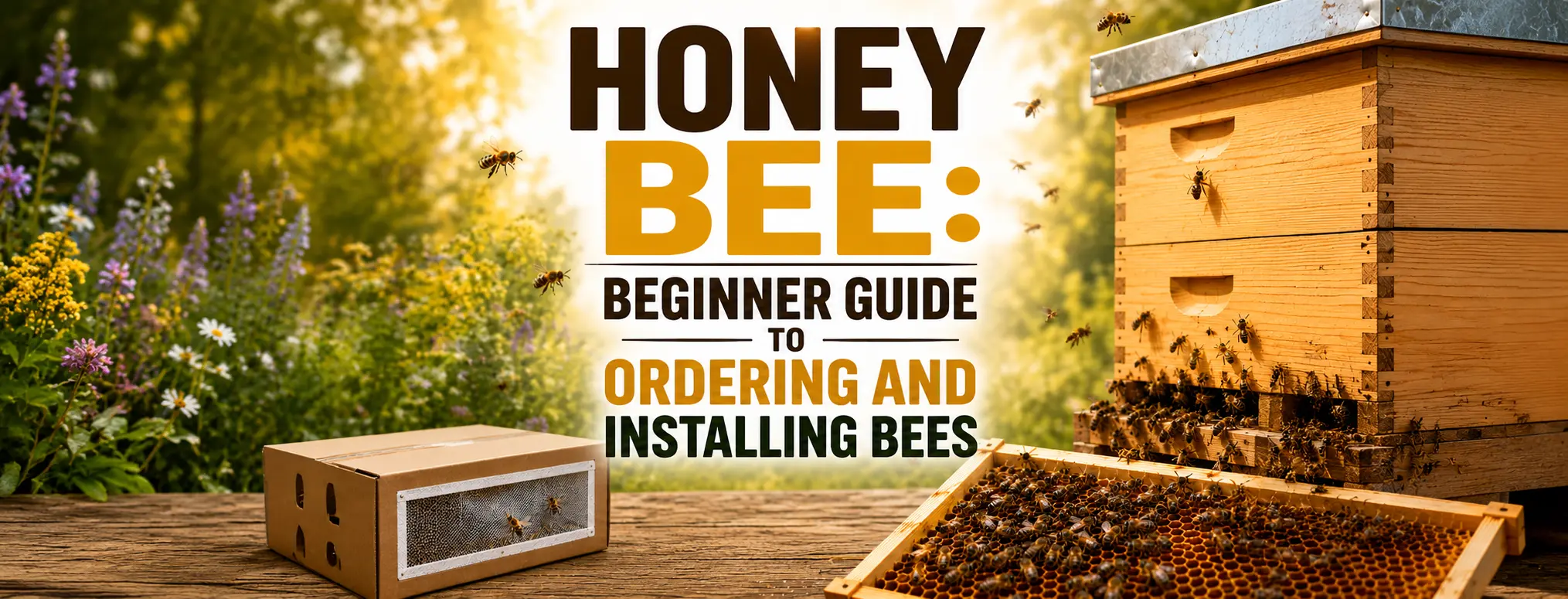
Honey Bee: Beginner Guide to Ordering and Installing Bees
Author: Hornsby Beekeeping Date Posted:2 July 2026
Starting with honey bees is one of the most exciting steps in beekeeping. Once your hive equipment is ready and your site is prepared, the next big decision is how to order bees and install them safely. For beginners, this stage can feel overwhelming because timing, equipment, bee health and handling all matter.
In Australia, most new beekeepers start with a nucleus colony, often called a nuc. A nuc usually includes a small working colony with a queen, worker bees, brood and food stores. Some beekeepers may also buy an established hive or collect a swarm, but beginners usually find a healthy nuc easier to manage.
Before ordering honey bees, it is important to understand what you are buying, where the bees are coming from and what equipment you need before they arrive. A successful installation starts before the bees reach your property.
What Beginners Should Know Before Ordering Honey Bees
Before ordering honey bees, make sure you are ready to keep them responsibly. Bees are livestock, not just a garden feature. They need regular inspections, safe equipment, good food stores, pest monitoring and proper management through the seasons.
You should also check your local beekeeping rules. Registration requirements vary between Australian states and territories, and beekeepers are responsible for meeting local rules before keeping hives. If you are in a suburban area, also consider neighbours, water access, flight paths and safe hive placement.
Before placing an order, check:
-
Your hive equipment is ready
-
Your hive site is suitable
-
You understand local registration requirements
-
You have protective clothing
-
You have basic tools
-
You know how to inspect a hive
-
You can identify brood, honey and pollen stores
-
You have a plan for feeding if needed
-
You know how to monitor pests and diseases
-
You are buying from a trusted bee supplier
Ordering bees before you are prepared can create stress for both the beekeeper and the colony. It is better to prepare early than to rush on installation day.
Best Ways to Get Honey Bees
There are several ways to get honey bees, but not all are ideal for beginners. The most common beginner-friendly option is a nucleus colony because it already has a laying queen and developing brood.
Nucleus Colony
A nucleus colony is usually the best starting point for new beekeepers. It gives you a small but functioning colony that can be transferred into a full-size hive. Because the bees already have brood and a queen, you can learn hive inspections while watching the colony grow.
A good nuc should include:
-
A healthy laying queen
-
Worker bees
-
Brood at different stages
-
Some honey or nectar stores
-
Pollen stores
-
Frames that fit your hive system
-
No obvious pest or disease issues
Always buy from a reputable supplier. Ask about queen age, frame size, pickup timing and any health checks.
Package Bees
Package bees are less commonly used by some Australian beginners than nucs, but they may be available in certain situations. A package usually contains worker bees and a queen in a cage, but it does not include brood frames. This means the colony must build comb and establish brood after installation.
Package bees can work, but they require more careful feeding and management, especially if a drawn comb is not available.
Established Hive
Buying a full established hive gives you a stronger colony from the start, but it is usually better for beekeepers who already know how to inspect hive health. Established hives may contain old comb, hidden pest issues or equipment that does not match your system.
If buying an established hive, inspect carefully or ask an experienced beekeeper to help.
Swarm Collection
Collecting a swarm can be rewarding, but it is not always the easiest option for beginners. A swarm may have unknown genetics, unknown queen age and possible health risks. New beekeepers should only collect swarms when they have the right equipment, confidence and safety support.
Best Season to Start With Honey Bees
The best season to start with honey bees is usually spring or early summer in many parts of Australia. During this period, colonies are often building up, flowers are available, and the weather is more suitable for inspections and colony growth.
Spring gives a new colony time to expand before winter or seasonal stress. It also allows bees to collect nectar and pollen, draw comb and build population. However, the exact timing depends on your region. Queensland, New South Wales, Victoria, Tasmania, Western Australia and inland areas can all have different seasonal patterns.
A good time to start is when:
-
Weather is mild and stable
-
Nectar and pollen are available
-
Suppliers have healthy nucs ready
-
The hive can be inspected safely
-
The colony has time to build before winter
-
You have all equipment prepared
Avoid starting too late in the season unless you have guidance from an experienced local beekeeper. A colony installed too close to winter may not have enough time to build strength and food stores.
Equipment You Need Before Receiving Honey Bees
Do not wait until the bees arrive to prepare equipment. Your hive should be assembled, painted if needed, dry, stable and placed in its final location before installation day.
For a beginner setup, you will usually need:
-
Hive base or bottom board
-
Brood box
-
Frames and foundation
-
Hive lid
-
Inner cover or mat if used
-
Hive stand
-
Entrance reducer if needed
-
Feeder
-
Bee suit or jacket
-
Beekeeping gloves
-
Smoker
-
Hive tool
-
Bee brush if preferred
-
Food-grade sugar for emergency feeding
-
Water source nearby
-
Record book or inspection sheet
It is also helpful to have spare frames, an extra box and basic pest monitoring tools. Bees can grow quickly during good conditions, so having spare equipment ready prevents delays.
Preparing the Hive Site
A good hive site helps the colony settle after installation. Bees need a stable, dry and safe location with enough sun, airflow and access to forage. The hive should be easy for you to inspect but positioned so bee flight paths do not disturb people or pets.
Choose a site with:
-
Morning sun where possible
-
Good drainage
-
Protection from strong wind
-
Stable hive stand
-
Clear flight path
-
Nearby water source
-
Space to work around the hive
-
Some shade in very hot regions if needed
-
Safe distance from busy walkways
-
Consideration for neighbours
Place the hive where you want it before the bees arrive. Moving a hive later can confuse returning foragers unless done carefully.
How to Order Honey Bees From a Supplier
When ordering honey bees, choose a supplier with a good reputation. Do not focus only on price. Healthy bees, good queens and clear pickup instructions are more important than saving a small amount upfront.
Before ordering, ask the supplier:
-
Are the bees supplied as a nuc, package or full hive?
-
What frame size is used?
-
Is the queen marked?
-
How old is the queen?
-
When will the bees be ready?
-
What pickup or delivery method is used?
-
Are there any health or inspection details?
-
Should the bees be fed after installation?
-
What should you bring on pickup day?
Make sure the frames match your hive. If your hive uses 8-frame equipment, 10-frame equipment, full-depth, ideal or another system, compatibility matters.
How to Transport Honey Bees Safely
Transporting bees should be done carefully. Bees can overheat, escape or become stressed if handled poorly. Follow your supplier’s instructions closely, especially regarding ventilation and timing.
If collecting a nuc, make sure it is secured properly in the vehicle. Keep it upright, shaded and well ventilated. Avoid leaving bees in a hot car or direct sun. Drive smoothly and take the bees directly to the prepared hive site.
Transport tips include:
-
Pick up bees at the agreed time
-
Keep the box secure and upright
-
Provide ventilation
-
Avoid overheating
-
Do not leave bees unattended in a hot vehicle
-
Keep the entrance closed during transport
-
Install bees as soon as practical
-
Wear protective gear when handling
A calm transport process makes installation easier.
How to Install a Nucleus Colony
Installing a nucleus colony is usually straightforward. The goal is to move the frames from the nuc box into the full-size hive while keeping the brood nest together and avoiding unnecessary disturbance.
Choose a calm, mild day if possible. Wear your protective clothing, light the smoker and work gently. Do not over-smoke the bees. A little smoke can help, but too much can stress the colony.
Basic nuc installation steps:
- Place the full-size hive in its final position.
- Open the nuc box gently.
- Remove frames one at a time.
- Keep the frames in the same order.
- Place brood frames together in the centre of the brood box.
- Place food frames beside the brood area.
- Add empty frames to fill the box.
- Check that the queen is not crushed.
- Close the hive carefully.
- Reduce the entrance if needed.
- Allow the colony to settle.
Do not shake bees aggressively unless needed. Most bees will move with the frames, and remaining bees can be gently encouraged into the hive.
How to Install Package Bees
If you are installing package bees, the process is different because the bees are not already on brood frames. They need to be introduced into a hive with frames and usually a caged queen.
Package installation methods can vary, so always follow the supplier’s instructions. In general, the bees are placed into the hive, and the queen cage is positioned so workers can accept and release her gradually.
Package bees usually need closer feeding support because they must build comb and establish brood. They may also need more careful monitoring in the first few weeks.
Beginner package bee tips include:
-
Use the correct hive setup
-
Follow supplier instructions
-
Feed if recommended
-
Check queen release at the right time
-
Avoid disturbing the colony too often
-
Monitor comb building
-
Watch for queen acceptance
-
Keep the entrance reduced if needed
Because packages do not start with brood, beginners should pay close attention to early colony development.
First Week After Installation
The first week is about helping the colony settle. Avoid opening the hive too often. Bees need time to orient, organise themselves and begin working the frames.
You can observe the entrance without disturbing the hive. Watch for bees taking orientation flights, returning with pollen and moving calmly in and out of the entrance. Pollen coming into the hive is often a good sign that brood rearing is underway or beginning.
During the first week:
-
Keep disturbance low
-
Make sure the hive is stable
-
Confirm bees are flying normally
-
Check that water is available
-
Feed only if needed or advised
-
Watch for robbing
-
Keep the entrance manageable
-
Avoid unnecessary inspections
If the colony was installed from a nuc with brood and a laying queen, it may settle faster than a package.
First Inspection After Installation
Your first inspection should be gentle and focused. Do not pull every frame unless needed. The aim is to confirm that the colony is settling, the queen is present or laying, bees have food and there are no obvious problems.
A first inspection may check:
-
Bees are covering the brood frames
-
Eggs or young larvae are visible
-
Queen is present or signs of laying are present
-
Brood pattern looks healthy
-
Honey or nectar stores are available
-
Pollen is present
-
Bees are calm and organised
-
No obvious pest or disease issues
-
Frames are being worked
If you cannot find the queen, do not panic. Eggs and young larvae can indicate that she has been laying recently.
Feeding Newly Installed Honey Bees
New colonies may need feeding, especially if nectar flow is poor, weather is unsettled or they need to draw comb. Feeding is not always required, but it can help a young colony establish when natural food is limited.
Sugar syrup is commonly used to support new colonies, but it should be used carefully. Do not feed when honey supers for human consumption are on the hive. Also avoid spilling syrup around the apiary, as it can attract ants and trigger robbing.
Feeding may be useful when:
-
The colony has low food stores
-
Weather stops foraging
-
There is poor nectar flow
-
Package bees need to draw comb
-
A nuc is slow to expand
-
The colony is building foundation
Always check the colony before feeding. A strong nectar flow may make feeding unnecessary.
Keeping Honey Bees Healthy After Installation
Healthy honey bees need good nutrition, enough space, a productive queen and regular pest monitoring. After installation, the beekeeper’s job is to help the colony grow without over-managing it.
Good beginner care includes:
-
Inspecting regularly but not excessively
-
Checking for eggs, larvae and capped brood
-
Monitoring honey and pollen stores
-
Watching for pests and disease
-
Keeping the hive dry and ventilated
-
Providing water nearby
-
Adding space when the colony is ready
-
Reducing space if the colony is weak
-
Keeping records after every inspection
-
Learning local seasonal patterns
The colony should gradually expand from the centre frames outward. Once bees cover most frames and conditions are good, they may need more space.
Common Problems After Installing Bees
New colonies can face several problems in the first few weeks. Some are normal settling issues, while others need quick attention. The key is to inspect calmly and look for evidence.
Common beginner problems include:
-
Queen not accepted or missing
-
Bees not drawing comb
-
Low food stores
-
Robbing from stronger colonies
-
Ant pressure
-
Small hive beetle pressure
-
Poor weather limiting foraging
-
Too much empty space
-
Frames placed incorrectly
-
Over-inspection by the beekeeper
If something looks wrong, compare signs carefully. For example, a colony may look slow because the weather has been poor, not because the queen has failed. Good records help you understand what is changing.
Mistakes Beginners Should Avoid
Many beginner mistakes happen because new beekeepers are excited and want to check the hive too often. Regular inspections are important, but constant disturbance can slow colony settling.
Avoid these mistakes:
-
Ordering bees before equipment is ready
-
Installing bees into an unstable hive site
-
Using mismatched frame sizes
-
Leaving the hive in full hot sun without water
-
Opening the hive too often after installation
-
Over-smoking the bees
-
Crushing the queen during transfer
-
Adding too much space too early
-
Failing to feed when stores are low
-
Ignoring pest and disease checks
-
Not keeping inspection records
Good beekeeping is calm, prepared and consistent. The first month sets the foundation for the colony’s future strength.
Beginner Honey Bee Installation Checklist
Use this checklist before your bees arrive:
-
Hive equipment assembled and ready
-
Frames installed correctly
-
Hive placed on a stable stand
-
Site has drainage, airflow and safe access
-
Water source available
-
Protective clothing ready
-
Smoker and hive tool ready
-
Feeder available if needed
-
Supplier pickup instructions confirmed
-
Local registration checked
-
Record sheet prepared
-
Weather suitable for installation
-
Entrance reducer available
-
Spare equipment nearby
A prepared beekeeper gives the colony a much better start.
Final Thoughts
Ordering and installing honey bees is a major step for any beginner beekeeper. The best results come from preparation: choose a trusted supplier, start in the right season, set up your hive before the bees arrive and install them gently.
For most Australian beginners, a healthy nucleus colony is often the easiest way to start. It gives you a working colony with a queen, brood and food stores, making early management more straightforward. Once installed, focus on calm inspections, good nutrition, pest monitoring and steady colony growth.
Honey bees are easier to manage when you understand their needs before they arrive. With the right equipment, timing and care, your first colony can become a strong and productive hive.
If you need swarm collection equipment, nucleus boxes, protective clothing, or expert beekeeping advice, Hornsby Beekeeping Supplies is here to help. Contact our experienced team on 02 9477 5569 or email info@hornsby-beekeeping.com for trusted products and practical beekeeping support across Australia.
FAQs
What should I know before ordering or handling honey bee?
Before ordering or handling honey bees, make sure your hive equipment is ready, your site is safe, you have protective clothing and you understand local beekeeping registration rules. You should also buy from a trusted supplier and learn basic hive inspection skills before the bees arrive.
When is the best season to start with honey bee?
The best season to start with honey bees is usually spring or early summer in many Australian regions. This gives the colony access to nectar and pollen and enough time to build strength before winter or seasonal stress.
How do I install or introduce honey bees into a hive?
For a nucleus colony, move the frames from the nuc box into the full-size hive in the same order, keeping brood frames together in the centre. Work gently, avoid crushing the queen, add extra frames to fill the box and close the hive carefully so the colony can settle.
What equipment do I need before receiving honey bees?
Before receiving honey bees, you need a hive base, brood box, frames, lid, hive stand, feeder, protective clothing, smoker, hive tool, water source and record-keeping system. Spare frames and an entrance reducer are also helpful.
How can I keep honey bee healthy after installation?
Keep honey bees healthy by inspecting regularly, checking brood and queen activity, monitoring food stores, providing water, managing pests, avoiding too much empty space and keeping clear hive records. Do not disturb the colony too often during the first week.