
















Types of Honey Bees Used in Beekeeping
Author: Hornsby Beekeeping Date Posted:18 February 2026
Beekeeping isn’t just about putting a hive in your backyard and waiting for honey. The heart of beekeeping and the success you achieve starts with understanding the bees themselves. Different species and subspecies of honey bees have unique behaviours, temperaments, and production characteristics. For anyone starting beekeeping in Australia, selecting the right type of honey bee can make the difference between calm, productive hives and stressful, hard‑to‑manage colonies.
Many beginners ask: Which bee type is best? Are some bees better for honey? Do some bees suit Australian climates more than others? We will answer all of that and more in this blog. We’ll explore the common types of honey bees used in beekeeping, explain their traits, and help you understand which bees are best suited for different goals, whether it’s high honey yield, gentle temperament, or resilience in variable weather.
1. European Honey Bee (Apis mellifera)
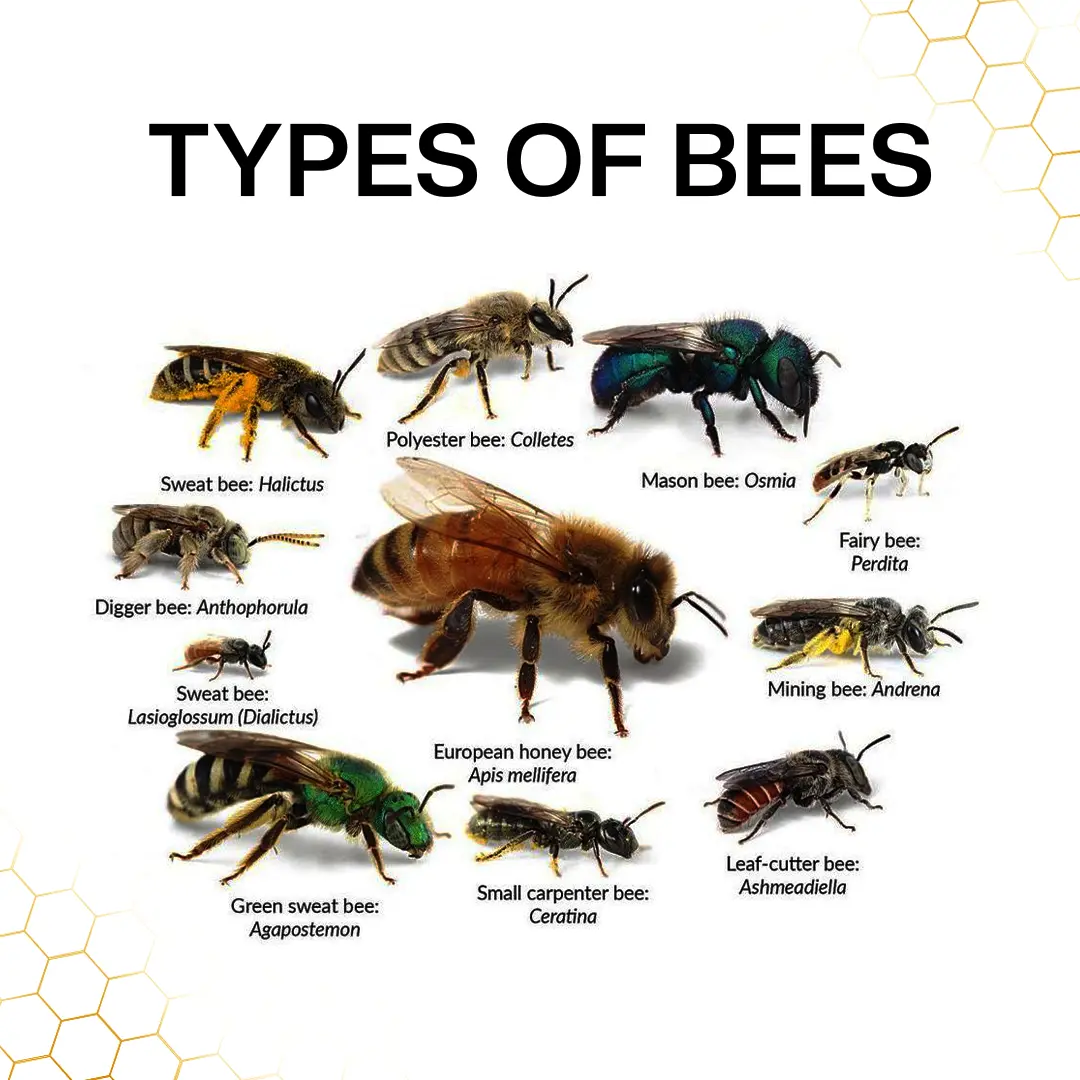
The European honey bee (Apis mellifera) is the most widely kept honey bee species in the world and in Australia. Introduced in the 1800s, this species is now the backbone of hobbyist and commercial beekeeping across the country. They are versatile, adaptable to a wide range of climates, and generally easier for beginners to work with compared to more defensive types.
European honey bees are known for their consistent honey production and strong foraging behaviour. They balance productivity and manageability, which is why they remain the go‑to choice for many backyard beekeepers. While they adapt well, this species still requires good hive management, pest monitoring, and seasonal inspections especially in regions with sharp weather changes. For beginners wanting to start with a reliable, all‑around bee, Apis mellifera provides a solid foundation.
2. Italian Honey Bee (Apis mellifera ligustica)
Among all subspecies of Apis mellifera, the Italian honey bee is one of the most popular choices for beginners and backyard beekeepers. These bees are gentle, calm, and easy to inspect, making hive management less intimidating for new keepers. In many parts of Australia, Italian bees adapt well to local climates, producing steady honey and building strong colonies.
Their key traits include:
- Calm and manageable temperament, ideal for beginners
- High honey production due to consistent foraging
- Rapid spring build‑up, supporting strong colonies
- Lighter colouring, making hive inspections easier
Italian bees may require regular monitoring for swarming, especially when nectar is abundant. Still, their overall docility and performance have made them one of the most recommended subspecies for beginner beekeepers across temperate and subtropical parts of Australia.
3. Carniolan Honey Bee (Apis mellifera carnica)
Carniolan honey bees (Apis mellifera carnica) are another popular subspecies among Australian beekeepers, especially in cooler regions and where seasonal changes are pronounced. Known for their gentle behaviour, excellent resource management, and quick spring population increases, Carniolans thrive in varying nectar flow conditions and conserve resources well during leaner months.
Beginners often choose Carniolans because:
- They are very calm and easy to handle
- They increase population rapidly in spring, aiding honey production
- They adapt well to cooler climates
- They have a lower tendency to swarm when managed correctly
While they can be slightly slower in warm summer nectar flows than Italian bees, their balance of temperament, winter resilience, and efficient brood management make Carniolans a strong choice for beekeepers in southern and cooler zones of Australia.
4. Subspecies Variations of European Honey Bees
Understanding honey bee subspecies helps beekeepers match bee behaviour to their local environment and goals.
In Australia, several European honey bee subspecies are used, each with unique strengths:
- Italian bees: Calm and productive, excellent for beginners and honey production in temperate regions.
- Carniolan bees: Gentle and adaptable, suited to cooler climates and efficient colony growth in spring.
- Buckfast bees: A hybrid bred for disease resistance and balanced traits, favoured by experienced hobbyists.
- European dark bees (Apis mellifera mellifera): More defensive and less common in Australia, but historically significant.
Rather than being different species, these are variations within Apis mellifera, each selected over time for specific qualities like temperament, resilience, or honey yields. Choosing between them depends on your climate, management style, and beekeeping goals.
5. Australian Native Bees vs Introduced Honey Bees
While this blog focuses on honey bees used in managed beekeeping, it’s also useful to understand the distinction between introduced honey bee species and native Australian bees because many beginners search for both.
Australia is home to native stingless bees, such as:
- Tetragonula carbonaria
- Tetragonula hockingsi
- Austroplebeia australis
These native species are fascinating and valuable pollinators, but they differ from honey bees in key ways:
- Native stingless bees produce much smaller quantities of honey than European honey bees
- Their social structure and hive management are different
- They are often kept for pollination and education, not commercial honey production
For hobbyists interested in honey production and classic hive setups, introduced honey bees (Apis mellifera) remain the standard choice in Australia. Native bees, however, are excellent for ecological diversity and specialised backyard pollination projects.
Comparing Honey Bee Species for Beekeepers
When selecting the right honey bee for your hive, consider temperament, honey production, and climate adaptability.
Here’s a quick overview of common species in Australia:
- Italian bees: Calm, easy to handle, and highly productive; ideal for beginners in temperate regions.
- Carniolan bees: Very gentle, rapid spring population growth, conserve resources in winter; great for cooler climates.
- European honey bees: Balanced temperament and moderate honey production; adaptable across varied conditions.
- Buckfast bees (hybrid): Calm, strong honey yields, disease-resistant; suitable for slightly experienced beekeepers.
- Africanized bees: Aggressive and prone to frequent swarming; not recommended for backyard or beginner beekeepers.
7. Hybrid and Specialty Bee Strains
Some beekeepers explore hybrid or specialty honey bee strains, bees selectively bred for particular traits, such as disease resistance or climate tolerance. A well‑known example is the Buckfast bee, developed to combine calm temperament with strong honey yields.
While hybrids can offer advantages, they often require:
- More experienced management
- Greater attention to breeding practices
- Careful observation of colony health
Beginners are generally advised to start with well‑established subspecies (Italian or Carniolan) before experimenting with hybrids. As you gain experience and understand local conditions, hybrid bees can be a valuable next step.
Conclusion
Understanding the types of honey bees used in beekeeping is essential for success, especially for beginners in Australia. Each bee type whether Italian, Carniolan, European, or a hybrid strain has unique behaviours, strengths, and challenges. Choosing the right bees for your climate, goals, and skill level sets the foundation for productive and manageable hives.
For new Australian beekeepers, Italian and Carniolan bees are often recommended due to their calm temperament and reliable performance. As you advance, exploring subspecies variations or hybrids can broaden your experience and enhance honey yields.
With the right bee type and careful care, beekeeping becomes not just a hobby but a rewarding practice that connects you with nature and your local environment.
FAQs
Q1: What is the most common honey bee species used in Australian beekeeping?
The European honey bee (Apis mellifera) and its subspecies, particularly Italian and Carniolan bees, are the most common due to their adaptability, honey production, and calmer temperament.
Q2: Are Carniolan bees suitable for beginners?
Yes. Carniolan bees are known for being gentle, efficient at colony growth, and better at conserving resources in cooler climates making them a strong choice for beginners in southern Australia.
Q3: Can native Australian bees be used in traditional beekeeping hives?
Native stingless bees can be kept for pollination and ecological interest, but they produce much less honey and require different hive management, so they are usually not used in standard honey production beekeeping.
Q4: What bee type is best for honey production?
Italian bees are often preferred for honey production due to their consistent foraging and rapid colony build‑up, but Carniolans and Buckfast hybrids also offer good yields when managed well.
Q5: Should beginners start with hybrid bee strains?
Beginners are generally advised to start with well‑established subspecies like Italian or Carniolan bees before exploring hybrid strains, which may require more advanced management