
















What Is Beekeeping? A Complete Beginner Overview
Author: Hornsby Beekeeping Date Posted:18 February 2026
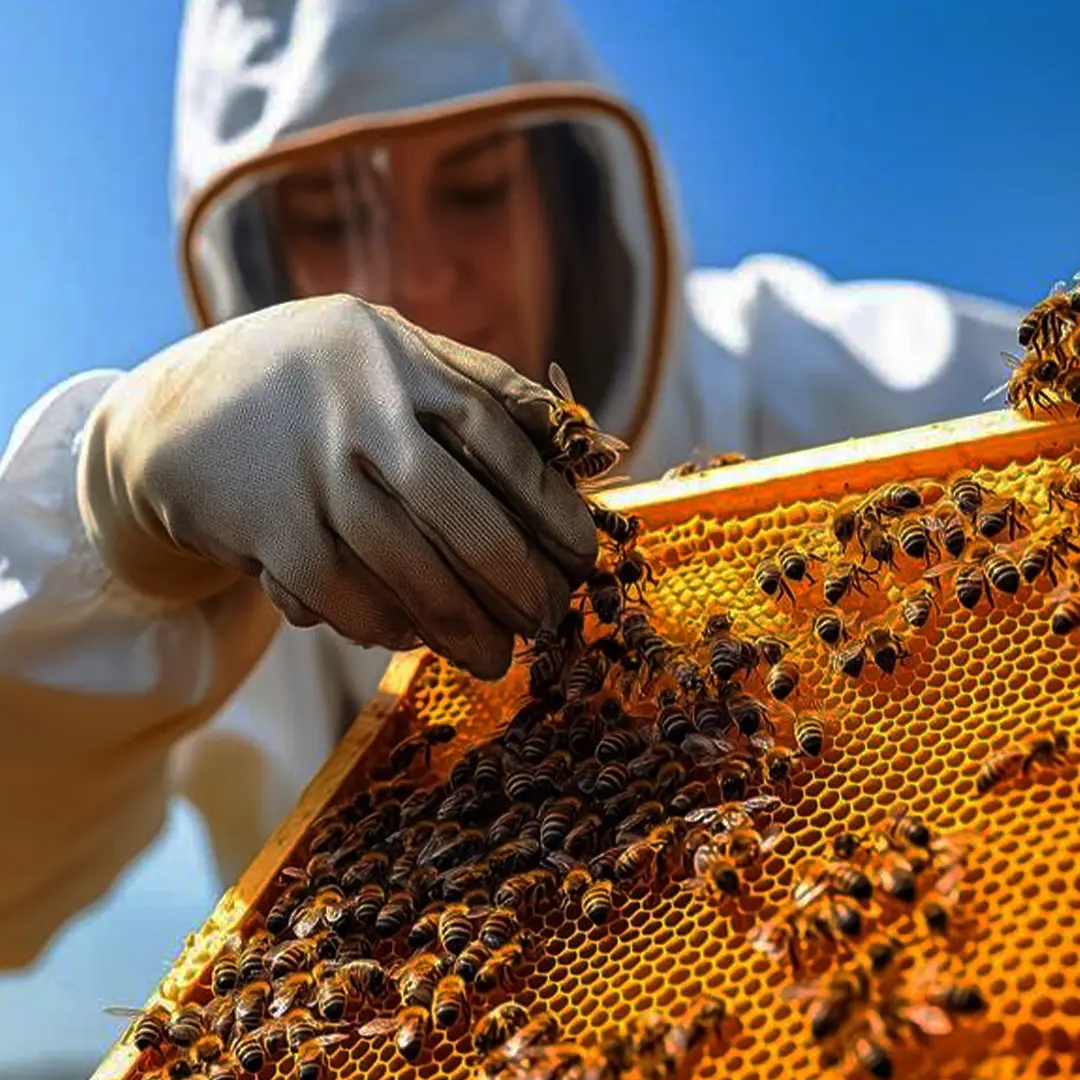
Beekeeping can seem mysterious at first, buzzing colonies, intricate hives, and the promise of honey. But behind this fascinating world is a simple, rewarding practice that anyone can learn with the right guidance. For many beginners, the idea of keeping bees is both exciting and intimidating. Questions arise: Will the bees sting me constantly? Do I need a big backyard? Can I actually produce honey in my first season?
The reality is that beekeeping is largely about observation, patience, and seasonal awareness. You don’t need years of experience to start, and you don’t need complex equipment to begin. By learning the basics, understanding your bees, and preparing properly, you can enjoy the benefits of honey production, garden pollination, and connection with nature. This guide will walk you through the fundamentals of beekeeping in Australia and give you the confidence to start your first hive.
What Beekeeping Really Means
Beekeeping, or apiculture, involves caring for honeybee colonies housed in organized hives. Unlike wild bees, which find nesting sites naturally, managed bees live in structured environments where their health, reproduction, and honey production are supported by the beekeeper. This doesn’t mean controlling the bees completely, it’s about guiding their growth and ensuring the colony thrives.
Beginners often focus on understanding their bees’ behaviour rather than trying to micromanage every action. Bees still gather nectar, maintain their combs, and care for young bees on their own. Your role is to provide a safe home, prevent overcrowding, and monitor for pests or diseases.
Key responsibilities of a beekeeper typically include:
- Regular inspections to assess colony health
- Providing adequate hive space and food when needed
- Managing seasonal tasks such as honey harvests
- Protecting the colony from pests and diseases
Many new Australian beekeepers begin by sourcing local suppliers and beginner-friendly resources that provide guidance suited to regional conditions and practical hive setups.
Why People Keep Bees
Beekeeping attracts people for a variety of reasons beyond just producing honey. One obvious benefit is harvesting your own honey, which tastes fresher and more natural than store-bought options. But bees also produce other useful products, including beeswax, propolis, pollen, and royal jelly. These can be used at home, sold, or given as gifts, adding practical value to the hobby.
Many people keep bees for ecological reasons. Bees are vital pollinators, helping gardens, orchards, and even backyard fruit trees flourish. In Australia, their pollination activity is crucial to supporting both small-scale and commercial crops.
Other common reasons people start beekeeping include:
- Connecting with nature and observing seasonal changes
- Developing a new hobby or skill that unfolds throughout the year
- Enhancing garden or orchard productivity through pollination
- Exploring small-scale income opportunities from honey and bee products
By combining practical benefits with personal satisfaction, beekeeping appeals to a wide range of beginners and hobbyists.
Who Can Become a Beekeeper
Contrary to popular belief, beekeeping is accessible to many people. You don’t need a large farm or prior experience. Even a suburban backyard or small block can support one or two hives if local council regulations are followed. Proper hive placement, safety considerations, and compliance with local rules are the first steps before bringing bees home.
Beekeeping fits different lifestyles because it doesn’t require daily attention like other animals. Bees largely manage themselves, and inspections happen at intervals rather than every day. Beginners, hobbyists, gardeners, retirees, and small business owners all find it a rewarding activity.
People best suited to start beekeeping often:
- Have space for a hive, even a small one
- Enjoy outdoor observation and learning
- Appreciate seasonal rhythms and patience
- Are curious about nature and sustainable food production
For those starting out, Hornsby Beekeeping provides beekeeping equipment and beginner-friendly guidance, making the initial setup simpler and less intimidating.
Understanding the Hive Structure
Inside every hive is a highly organized society, with three main types of bees performing specific roles. Understanding this structure helps beginners interpret colony behaviour and manage hives confidently.
- Queen Bee: The single queen is responsible for laying eggs and maintaining colony stability. A healthy queen ensures a growing and productive hive.
- Worker Bees: Female bees that carry out nearly all hive tasks, including foraging for nectar and pollen, building comb, feeding larvae, and cleaning.
- Drones: Male bees whose primary function is mating with queens from other colonies. Their role does not include gathering nectar or taking care of the hive.
By knowing each type of bee and its role, beginners can observe the hive more effectively and understand what they see during inspections. The focus is not on controlling individual bees, but on maintaining a healthy, balanced colony that functions efficiently on its own.
Seasonal Beekeeping in Australia
Beekeeping follows a natural rhythm influenced by the seasons, which varies across Australia. Beginners benefit from understanding this cycle to plan inspections and tasks effectively.
Typical seasonal tasks include:
- Spring: Monitor colony growth, add space to prevent overcrowding, check for signs of swarming
- Summer: Harvest honey, inspect hive health, manage ventilation to avoid overheating
- Autumn: Prepare hives for cooler months, ensure honey stores are adequate, check for pests
- Winter: Minimise disturbances, monitor colony weight and health, provide supplemental feeding if needed
By working with the bees’ natural cycles, beginners can support hive health, increase productivity, and avoid unnecessary mistakes that often discourage new beekeepers.
Essential Equipment for Beginners
While beekeeping doesn’t require an extensive toolset, having the right equipment makes a big difference. A standard beginner setup includes a hive body with frames, protective clothing, and basic tools. Protective gear, such as a veil, gloves, and suit, keeps beginners comfortable during inspections.
Other essential tools include:
- Hive tool: For gently separating frames without harming bees
- Smoker: To calm bees during inspections
- Feeding equipment: For times when nectar is scarce
- Honey extraction tools: Optional, but useful when harvesting
At Hornsby Beekeeping we provide beginner-friendly kits that include all necessary equipment and guidance for Australian climates, helping newcomers start safely and confidently.
Common Beginner Challenges
Even with preparation, beginners encounter common challenges. Colony growth may be slower than expected, pests or diseases may appear, or hives may swarm unexpectedly. Patience and observation are key to overcoming these hurdles.
Some challenges include:
- Slow colony growth: Supplementary feeding or relocation may help
- Pests and diseases: Regular inspections and hygiene practices prevent damage
- Swarming: Providing additional frames and space reduces risk
The goal is to learn gradually. Each season offers lessons about bee behavior, seasonal needs, and hive management. Over time, beginners develop confidence and competence in handling colonies successfully.
Conclusion
Beekeeping is an accessible and rewarding practice that combines observation, seasonal awareness, and careful support of a thriving colony. Beginners in Australia can start small, gradually learn about their bees, and experience both the personal satisfaction of honey production and the environmental benefits of pollination.
For those ready to begin, resources, equipment, and guidance from Hornsby Beekeeping make starting a hive far easier and more confident. By embracing patience, seasonal rhythms, and continuous learning, anyone can turn curiosity into a fulfilling and long-term beekeeping experience.