
















Beekeeping Suits Australia: Safety Guide for Beekeepers
Author: Hornsby Beekeeping Date Posted:7 July 2026
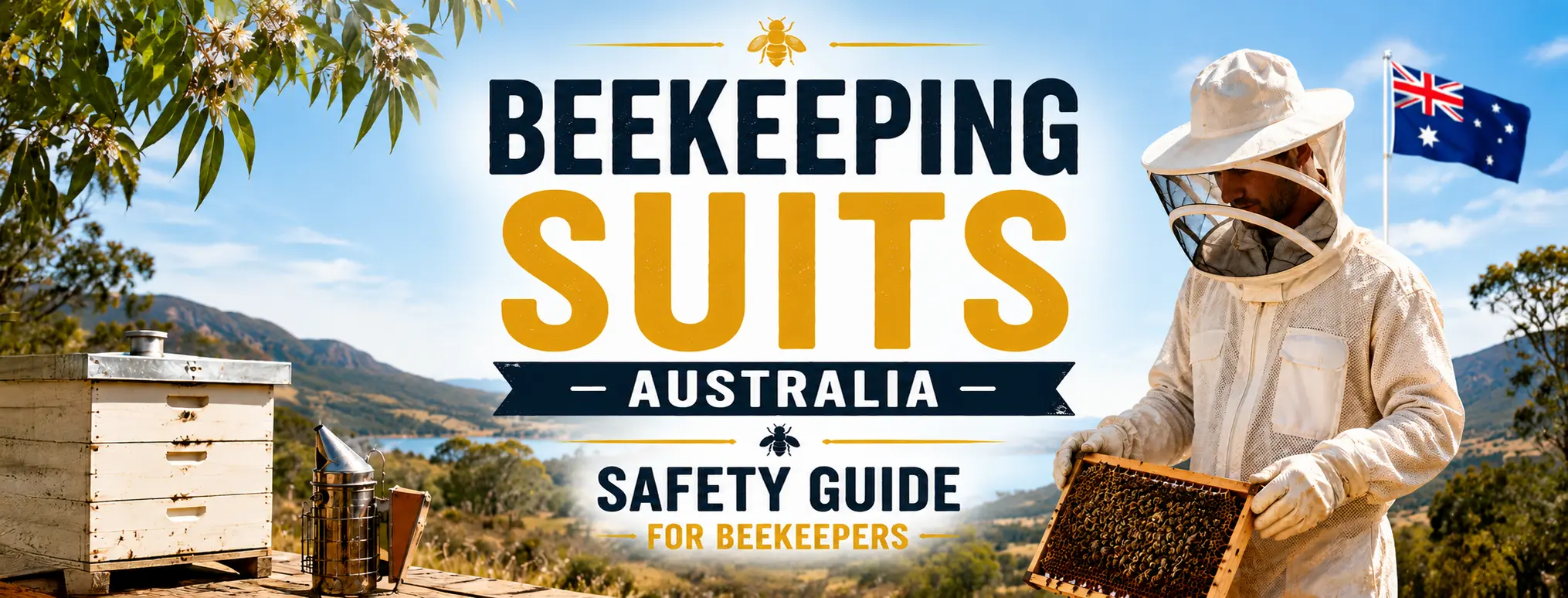
Beekeeping suits Australia are essential for safer hive inspections, especially for beginners who are still learning how bees behave. A good suit helps protect the face, neck, body, arms and legs from stings while giving the beekeeper more confidence to work calmly.
In Australia, hive work can also be hot and physically active. Therefore, choosing the right suit is not only about protection. It is also about comfort, airflow, movement and making sure you can inspect hives without rushing because of heat or poor fit.
A beekeeping suit does not make you completely sting-proof. However, it reduces risk when worn correctly and used with calm handling, a smoker, suitable weather and proper hive management.
Why Beekeeping Suits Are Important
A beekeeping suit creates a protective barrier between the beekeeper and the bees. This is important because even gentle colonies can become defensive during inspections, honey harvesting, requeening, swarm collection or poor weather.
More importantly, protective clothing helps you stay calm. When a beginner feels exposed, they may move too quickly, drop frames or overuse smoke. As a result, the bees may become more unsettled. A secure suit helps you slow down and inspect with better control.
Beekeeping suits are useful for:
-
Regular hive inspections
-
Honey harvesting
-
Swarm collection
-
Feeding colonies
-
Pest and disease checks
-
Requeening work
-
Moving hive equipment
-
Working with defensive colonies
For beginners, a full suit is often the safest option because it provides complete body coverage.
Choosing the Right Size
Fit is one of the most important parts of beekeeping safety. If a suit is too tight, bees may sting through fabric where it presses against the skin. However, if the suit is too loose or poorly designed, it may leave gaps around the veil, wrists or ankles.
A good suit should allow you to bend, lift boxes, raise your arms and move comfortably. It should also have enough room for light clothing underneath without feeling restrictive.
Before choosing a size, check:
-
Shoulder movement
-
Sleeve length
-
Leg length
-
Veil clearance from your face
-
Wrist and ankle closures
-
Zip strength and coverage
-
Room for bending and lifting
-
Comfort in warm weather
In many cases, a slightly roomier suit is better than one that fits tightly against the body.
Choosing the Right Style
Different beekeepers prefer different styles. A full suit gives the most coverage and is ideal for beginners, swarm work and more defensive colonies. Meanwhile, a jacket and veil may suit quick inspections or experienced beekeepers working calm hives.
Ventilated suits are popular in Australian conditions because they help reduce heat stress during warm weather. They usually include breathable layers that keep fabric away from the skin while allowing airflow.
Common options include:
-
Full bee suits for maximum coverage
-
Ventilated suits for hot weather
-
Jackets with veils for lighter inspections
-
Cotton or polycotton suits for general use
-
Separate gloves and veils for added protection
If you are just starting, choose comfort and safety before convenience. You can always adjust your gear as your confidence grows.
What to Look for in a Good Suit
A good beekeeping suit should be light-coloured, smooth, strong and easy to close securely. Bees may react more to dark or woolly materials, so white, cream or pale colours are usually preferred.
Also, check the veil carefully. The mesh should stay away from your face because bees may sting through mesh if it touches your skin. Clear visibility is important too, especially when checking brood frames or looking for eggs.
Look for:
-
Light-coloured fabric
-
Smooth material
-
Strong zips
-
Secure veil design
-
Elastic wrists and ankles
-
Good stitching
-
Breathable panels if needed
-
Comfortable gloves
-
Easy cleaning instructions
The suit should feel practical, not just protective. If it is uncomfortable, you may avoid inspections or rush through hive work.
Cleaning and Storing Beekeeping Suits
Clean protective clothing is important because strong odours can disturb bees. Sweat, smoke, fuel, animal smells or heavy perfumes may make inspections less pleasant for both bees and beekeeper.
After use, brush off wax, propolis or grass. Then wash the suit according to the care label. Use mild, low-scent detergent and avoid strong fragrances. If the veil is detachable, remove it before washing if recommended.
Cleaning and storage tips include:
-
Wash with mild detergent
-
Avoid strong scents
-
Air dry completely
-
Do not store while damp
-
Keep the veil from being crushed
-
Store away from fuel, chemicals and animals
-
Check for holes before the next inspection
-
Keep gloves dry and clean
Proper storage helps the suit last longer and keeps it ready for the next hive visit.
Safety Mistakes to Avoid
Even the best suit can fail if it is worn carelessly. Bees are very good at finding small gaps, so always check your outfit before opening a hive.
Avoid these mistakes:
-
Leaving the veil zip partly open
-
Wearing a damaged suit with holes
-
Letting the veil touch your face
-
Leaving wrists or ankles exposed
-
Wearing sandals or open shoes
-
Using strong perfume before inspections
-
Wearing dark, woolly clothing near bees
-
Removing your veil too close to the hive
-
Ignoring heat stress in warm weather
-
Assuming the suit replaces calm handling
A good habit is to do a quick safety check before lighting the smoker and approaching the hive.
Final Thoughts
Beekeeping suits Australia are an important part of safe and confident hive management. The right suit protects your body, supports calm handling and helps beginners focus on learning instead of worrying about stings.
Choose a suit that fits well, allows movement, keeps the veil away from your face and suits Australian weather. In addition, clean and store it properly so it remains safe, fresh and ready for inspections.
If you need swarm collection equipment, nucleus boxes, protective clothing, or expert beekeeping advice, Hornsby Beekeeping Supplies is here to help. Contact our experienced team on +612 9477 5569 or email info@hornsby-beekeeping.com for trusted products and practical beekeeping support across Australia.
FAQs
Why is beekeeping suits australia important for safe beekeeping?
Beekeeping suits Australia are important because they help protect the beekeeper from stings during hive inspections, honey harvesting and swarm work. They also help beginners stay calm and handle bees more safely.
How do I choose the right size and style of beekeeping suits australia?
Choose a size that allows comfortable movement without tight fabric against the skin. For style, beginners often prefer a full suit, while experienced beekeepers may use jackets or ventilated suits depending on weather and hive temperament.
Is beekeeping suits australia suitable for beginners and regular hive inspections?
Yes, beekeeping suits Australia are suitable for beginners and regular hive inspections. A secure suit with a good veil, gloves and closed footwear helps make routine hive work safer and more comfortable.
How should beekeeping suits australia be cleaned and stored?
Wash the suit according to the care label using mild, low-scent detergent, then dry it fully before storage. Store it in a clean, dry place away from strong odours, chemicals, pests and damp conditions.
What safety mistakes should be avoided when wearing beekeeping suits australia?
Avoid leaving zips open, wearing damaged suits, exposing wrists or ankles, using strong perfumes, wearing open shoes, letting the veil touch your face and removing protective clothing too close to the hive.