

















Buy a Bee Box: Setup, Benefits and Buying Guide
Author: Hornsby Beekeeping Date Posted:13 July 2026
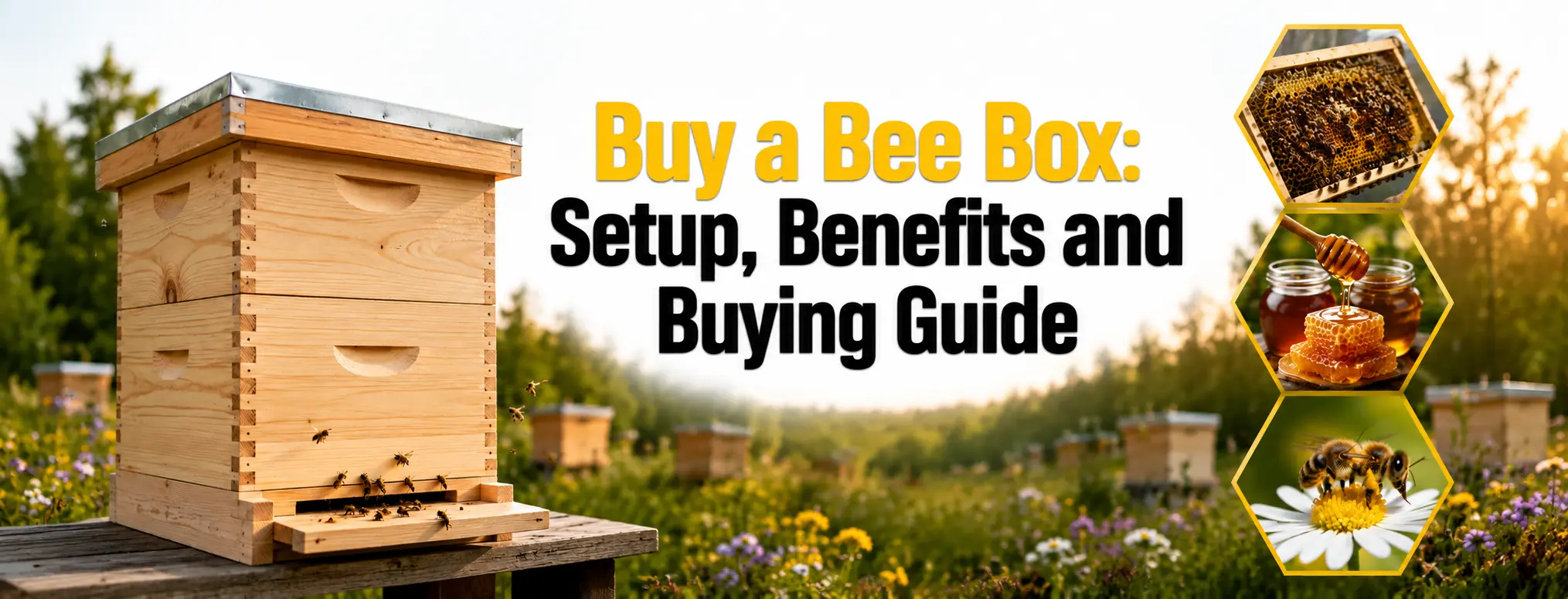
When you decide to buy a bee box, you are not just purchasing timber and frames. You are choosing the main home where your bees will raise brood, store food and build colony strength. For this reason, the right bee box should be strong, practical, weatherproof and compatible with your hive system.
For Australian beekeepers, a good bee box also needs to suit local conditions. Heat, rain, pests, nectar flow and seasonal changes can all affect how well a hive performs. Therefore, beginners should choose carefully instead of buying the first option they see.
A well-chosen bee box makes inspections easier, supports colony growth and helps you manage bees more confidently through the season.
What Is a Bee Box?
A bee box is the main hive body used to hold frames inside a beehive. It may be used as a brood box, where the queen lays eggs and bees raise young, or as a honey super, where bees store surplus honey.
In most beginner setups, the brood box is the first and most important box. Once the colony becomes strong and nectar is coming in, honey supers may be added above it. However, adding extra boxes too early can create more space than the bees can defend.
A bee box is best suited for:
-
Beginner beekeepers starting a hive
-
Backyard apiaries
-
Hobby beekeepers expanding colonies
-
Nucleus colony installation
-
Honey production setups
-
Replacement of damaged hive equipment
Benefits of Buying the Right Bee Box
The right bee box helps both the beekeeper and the colony. If frames fit well, boxes stack correctly and the lid seals properly, hive work becomes much easier. As a result, inspections are calmer and bees are less disturbed.
A good bee box can support:
-
Easier frame inspections
-
Better brood management
-
Cleaner honey harvesting
-
Stronger seasonal growth
-
Improved pest monitoring
-
Better weather protection
-
Simple expansion with extra boxes
-
Longer equipment life
Meanwhile, poor-quality boxes may warp, leak, leave gaps or make frames hard to remove. These small issues can become frustrating once bees, wax and propolis are involved.
How to Choose the Right Bee Box
Before buying, think about your hive type and bee source. If you are receiving a nucleus colony, the frames in the nuc should match the size of your bee box. Otherwise, installation can become difficult and stressful.
Most Australian beginners use Langstroth-style equipment because removable frames are practical for inspections and replacement parts are easy to find. However, you still need to choose the right size, such as 8-frame or 10-frame equipment.
Before you buy a bee box, check:
-
Frame size compatibility
-
8-frame or 10-frame setup
-
Timber or material quality
-
Box depth
-
Strong joints and square corners
-
Weather resistance
-
Smooth frame fit
-
Compatibility with lids and bases
-
Ease of lifting when full
-
Availability of spare parts
In addition, consider your strength and comfort. A full honey box can be heavy, so smaller boxes may be easier for some beginners to manage.
What to Check Before Installing Bees
Before bees arrive, the box should be assembled, clean and ready. Do not wait until pickup day to prepare equipment. A rushed setup can lead to mistakes, and bees settle better when their new home is already in place.
Your hive site should be stable, dry and easy to access. Morning sun is helpful in many areas because it encourages bee activity. However, in hot regions, some afternoon shade may also help reduce heat stress.
Before installation, check:
-
Bee box is assembled correctly
-
Frames fit properly
-
Hive stand is level and strong
-
Lid and base are ready
-
Entrance is clear
-
Water source is nearby
-
Protective clothing is prepared
-
Smoker and hive tool are available
-
Feeder is ready if needed
-
Local beekeeping rules are understood
Moreover, make sure the hive is positioned away from busy paths, pets and neighbour activity where possible.
Seasonal Maintenance for a Bee Box
A bee box needs care throughout the season. In spring, the colony may grow quickly, so inspections should focus on brood pattern, food stores and swarm signs. During honey flow, you may need to add a super when the colony is strong enough.
In summer, check ventilation, water access and pests. Meanwhile, autumn is the time to reduce unused space, check stores and prepare the hive for cooler or wet weather. In winter, avoid unnecessary disturbance, but still check the outside condition of the hive.
Seasonal care includes:
-
Checking for cracks or gaps
-
Making sure the lid stays weatherproof
-
Replacing damaged frames
-
Scraping excess burr comb where needed
-
Monitoring small hive beetle and Varroa
-
Keeping the box dry and raised off the ground
-
Reducing unused space in weak colonies
-
Recording inspections and equipment changes
Good maintenance helps the box last longer and keeps the colony easier to manage.
Beginner Setup Mistakes to Avoid
Many beginners buy equipment too quickly without checking compatibility. However, a bee box must work with the frames, bees and other hive parts you plan to use.
Avoid these mistakes:
-
Buying the wrong frame size
-
Choosing poor-quality timber or warped boxes
-
Installing bees before the box is ready
-
Placing the hive in a damp location
-
Adding extra boxes too early
-
Forgetting water access
-
Ignoring pest monitoring
-
Using risky second-hand equipment without checks
-
Leaving gaps where bees or pests can enter
-
Not keeping inspection records
Most importantly, do not choose only by price. A reliable bee box is a long-term investment in safer beekeeping.
Final Thoughts
When you buy a bee box, choose one that supports healthy bees and practical hive management. The right box should fit your frames, suit your apiary, protect the colony from weather and make inspections easier.
For beginners, preparation matters. Set up the hive before the bees arrive, place it in a safe location and maintain it through the season. With the right equipment and steady care, your bee box can become the foundation of a strong colony.
If you need swarm collection equipment, nucleus boxes, protective clothing, or expert beekeeping advice, Hornsby Beekeeping Supplies is here to help. Contact our experienced team on 02 9477 5569 or email info@hornsby-beekeeping.com for trusted products and practical beekeeping support across Australia.
FAQs
What is buy a bee box and who is it best suited for?
Buy a bee box refers to purchasing hive box equipment for keeping and managing honey bees. It is best suited for beginners, backyard beekeepers, hobby apiaries and beekeepers replacing or expanding hive equipment.
How do I choose the right buy a bee box for my apiary?
Choose a bee box that matches your frame size, hive type, bee source and lifting ability. Check material quality, box depth, frame fit, weather protection and compatibility with your lid, base and other hive parts.
What should be checked before installing bees in buy a bee box?
Before installing bees, check that the bee box is assembled, clean, stable, dry and fitted with the correct frames. Also prepare protective clothing, smoker, hive tool, water source and feeder if needed.
How should buy a bee box be maintained through the season?
Maintain the bee box by checking for cracks, leaks, warped timber, damaged frames, pest pressure and excess unused space. Keep the hive raised, dry, weatherproof and recorded in your inspection notes.
What setup mistakes should beginners avoid with buy a bee box?
Beginners should avoid buying mismatched equipment, using poor-quality or risky used boxes, adding too much space too early, placing hives in damp areas and installing bees before the setup is ready.