
















Bee-Friendly Plants for Australian Gardens: A Seasonal Planting Guide
Author: Hornsby Beekeeping Date Posted:24 June 2026
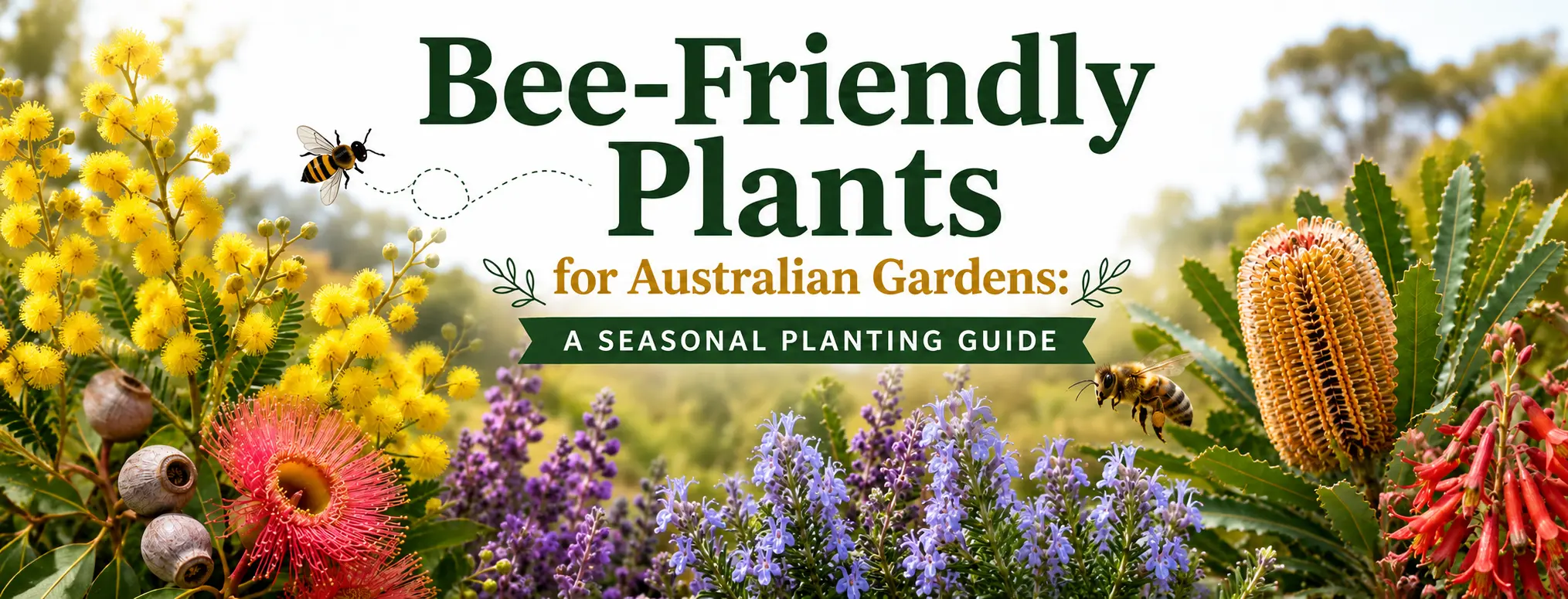
A bee-friendly garden is more than a colourful outdoor space. It is a living food source for honey bees, native bees and other pollinators that rely on flowers for nectar and pollen. In Australia, where climate, rainfall and flowering seasons vary widely from region to region, choosing the right plants can make a real difference to local bee activity and garden health.
Bees need nectar for energy and pollen for protein. Nectar helps fuel flying, foraging and daily hive activity, while pollen supports brood development and colony growth. When gardens provide flowers across different seasons, bees have a more reliable food supply instead of depending on one short burst of spring flowering.
For Australian gardeners, the best bee-friendly garden is diverse, seasonal and chemical-safe. It should include a mix of native plants, flowering herbs, shrubs, trees and vegetables that bloom at different times of the year. This guide explains how to choose bee-friendly plants for Australian gardens and how to plan a seasonal planting calendar that supports bees from spring through winter.
Why Bee-Friendly Plants Matter in Australia
Australia is home to many native bee species as well as managed European honey bees. Both benefit from gardens that provide reliable nectar and pollen. In urban and suburban areas, flowering gardens can help fill food gaps when natural forage is limited by land clearing, drought, heat, heavy rain or seasonal changes.
A bee-friendly garden also supports the wider ecosystem. Bees and other pollinators help many plants reproduce, improve fruit and vegetable production, and contribute to healthier biodiversity. Even a small garden, courtyard or balcony can become valuable if it includes the right flowers at the right time.
The key is not to plant randomly. A good bee garden should be planned around flowering seasons, local climate, plant variety and pesticide safety. This creates a garden that looks attractive while also providing practical support for bees.
What Makes a Plant Bee-Friendly?
A plant is bee-friendly when it offers accessible nectar, pollen or both. Some flowers look beautiful but provide very little food for bees, especially highly modified ornamental varieties with dense petals that block access to the flower centre. Bees usually benefit more from open, simple flowers, flowering herbs, native shrubs and nectar-rich trees.
The best bee-friendly plants are also suited to your local Australian climate. A plant that thrives in coastal New South Wales may not perform well in dry inland areas, tropical Queensland or cooler parts of Tasmania. Choosing local or climate-suitable plants helps the garden stay healthier with less water, less maintenance and better flowering results.
A strong bee garden should include different flower shapes and sizes. Honey bees may visit many common herbs and flowering trees, while smaller native bees may prefer native daisies, pea flowers and compact blossoms. By growing a mix of plants, you support a wider range of pollinators.
Start With Local Native Plants
Native plants are an excellent foundation for an Australian bee-friendly garden. Many native bees have evolved with local flowers, so native plants can provide familiar and useful forage. They are also often more suited to Australian soils, rainfall patterns and weather conditions when selected for the right region.
Good native choices may include bottlebrush, grevillea, banksia, tea tree, eucalyptus, native daisies, wattle, native peas, westringia, correa and hardenbergia. These plants can provide nectar, pollen or seasonal flowering support depending on the species and local climate.
However, not every native plant suits every garden. Some eucalyptus trees grow too large for small suburban spaces. Some banksias need excellent drainage. Some grevilleas perform better in certain soils than others. Before planting, check the mature size, soil preference, watering needs and local suitability of each plant.
Bottlebrush for Reliable Bee Activity
Bottlebrush is one of the most recognisable bee-friendly Australian plants. Its bright, brush-like flowers are rich in nectar and attract bees, birds and other pollinators. Bottlebrush can work well as a hedge, feature shrub or small tree depending on the variety.
For beekeepers and gardeners, bottlebrush is useful because it provides strong visual appeal and practical pollinator value. Many varieties flower generously, and some can bloom more than once depending on local conditions. It is often a good choice for Australian gardens that need hardy plants with strong pollinator attraction.
When choosing a bottlebrush, select a variety that fits your available space. Smaller forms suit suburban gardens, while larger forms need more room. Plant it in a sunny position with suitable drainage and avoid spraying flowers with chemicals while bees are visiting.
Grevillea for Nectar and Native Pollinators
Grevillea is another excellent option for Australian bee-friendly gardens. Many grevilleas produce nectar-rich flowers and can attract honey bees, native bees, birds and beneficial insects. They also come in many sizes, from low-growing forms to large shrubs and trees.
Grevilleas are especially useful because different varieties can flower at different times of the year. This makes them valuable for seasonal garden planning. A well-chosen grevillea can help provide nectar during periods when fewer garden plants are flowering.
The most important step is choosing the right grevillea for your region and soil. Some grevilleas dislike heavy phosphorus fertilisers, and some need excellent drainage. Buying from a knowledgeable local nursery can help you choose a variety that performs well in your area.
Banksia for Seasonal Nectar Support
Banksias are valuable plants for bees and other pollinators, especially in native-style Australian gardens. Their flower spikes can provide nectar and pollen, and some species flower during cooler months when food may be less available.
Banksias can be especially useful in coastal and sandy soils, although suitability depends on the species. Some grow as large shrubs or trees, while others are more compact. They can add structure to the garden while supporting pollinators across different seasons.
Because banksias vary greatly, gardeners should choose carefully. Consider mature height, soil drainage, climate and space before planting. In the right place, banksia can become one of the strongest pollinator plants in the garden.
Eucalyptus and Flowering Gums
Eucalyptus and flowering gums can be major nectar sources for bees in Australia. In larger gardens, rural properties or suitable open spaces, flowering gums can provide abundant food when in bloom. They can also support birds and other wildlife.
The main issue is space. Many eucalyptus species become very large, so they are not suitable for every backyard. Smaller flowering gum varieties may be better for suburban gardens, but even these need careful placement away from buildings, pipes and powerlines.
For beekeepers, flowering gums can be important because local eucalyptus flowering often influences honey flow. When gum trees flower well, bees may collect large amounts of nectar. When flowering is poor because of drought or weather changes, honey production may drop.
Herbs That Bees Love
Flowering herbs are some of the easiest bee-friendly plants to grow in Australian gardens. They suit backyards, balconies, raised beds and small spaces. Many herbs are also useful in the kitchen, making them practical as well as pollinator-friendly.
Good bee-friendly herbs include rosemary, lavender, thyme, oregano, basil, sage, mint, lemon balm, coriander, dill, parsley, chives and borage. These plants become especially useful when gardeners allow at least some of them to flower.
Rosemary is valuable because it can flower over a long period and may provide forage when other plants are limited. Lavender is popular with honey bees and works well in sunny, well-drained gardens. Oregano, thyme and basil can become very attractive to bees once they bloom. Borage is also known for being highly attractive to bees and can fit well into vegetable gardens.
Bee-Friendly Flowers for Vegetable Gardens
Vegetable gardens can be excellent pollinator spaces when flowers are included intentionally. Bees often visit pumpkin, squash, zucchini, cucumber, melon, bean and broad bean flowers. Pollination can improve the fruit set and make the garden more productive.
Adding companion flowers around vegetables can increase bee activity. Borage, calendula, marigold, sunflowers, cosmos, alyssum and herbs allowed to flower can bring pollinators into the vegetable patch. This creates a healthier growing environment and supports beneficial insects as well.
The best approach is to mix food plants with flowering support plants. Instead of keeping vegetables and flowers separate, grow them together in a planned way. This gives bees more reasons to visit and can improve pollination throughout the garden.
Spring Planting for Bees
Spring is the season when many bee colonies expand quickly. Honey bees raise more broods, native bees become more active in many regions, and flowering plants begin to provide fresh nectar and pollen. A strong spring garden helps bees build energy after winter and prepare for the warmer months ahead.
Useful spring plants may include lavender, rosemary, borage, calendula, bottlebrush, grevillea, native daisies and flowering fruit trees. These plants can provide early nectar and pollen while also adding strong colour to the garden.
Spring is also a good time to observe which flowers bees prefer in your area. If bees are constantly visiting certain plants, consider adding more of those varieties. Local observation is one of the best ways to improve a bee-friendly garden over time.
Summer Planting for Bees
Summer can be challenging for bees in Australia. Heatwaves, dry soil and reduced nectar flow can create stress, especially when flowers dry out quickly. A summer bee garden should focus on heat-tolerant plants, reliable watering and safe access to water.
Good summer options may include basil, thyme, oregano, sunflowers, salvia, lavender, rosemary, native daisies, flowering gums and vegetable flowers such as pumpkin and zucchini. These plants can help provide forage during the hottest part of the year when bees need energy and water.
Summer gardens should also include a shallow water source. A dish with stones, corks or floating sticks gives bees a safe place to land and drink without drowning. Place the water source in a consistent location so bees can find it easily.
Autumn Planting for Bees
Autumn is an important transition period for bees. Colonies may still be active, but they are also preparing for cooler months. Flowers that bloom in autumn can help bees maintain strength after summer and build stores before winter.
Useful autumn plants may include banksia, grevillea, rosemary, salvia, cosmos, marigold, lemon balm, tea tree and late-flowering herbs. In vegetable gardens, pumpkin, squash and other late-season flowers may still provide bee activity depending on climate.
For beekeepers, autumn forage can be important because colonies need enough food before winter. A garden that continues flowering into autumn can help support bees during this seasonal change.
Winter Planting for Bees
Winter can be a difficult time for bees, especially in cooler Australian regions where fewer flowers are available. Bees may fly less often, but on warm winter days they still benefit from accessible nectar and pollen.
Winter-friendly options may include rosemary, hardenbergia, correa, winter-flowering grevillea, banksia, native daisies and broad beans. These plants can help bridge the gap before spring flowering begins.
In warmer parts of Australia, winter bee activity may be much higher than in cooler regions. This is why local climate matters. A winter planting plan for Brisbane may look very different from one for Hobart or Canberra.
Designing a Garden With Year-Round Flowers
The strongest bee-friendly gardens are designed for continuity. Instead of planting many flowers that bloom at the same time, aim for a sequence of flowering across the year. This gives bees a more consistent food supply and makes the garden more useful in every season.
Start by listing what already flowers in your garden during spring, summer, autumn and winter. Then identify the gaps. If your garden is full of spring flowers but has little in summer, add heat-tolerant herbs and shrubs. If winter is empty, consider rosemary, correa, hardenbergia or winter-flowering native plants suited to your area.
Planting in groups is also helpful. Bees forage more efficiently when several of the same plant are grouped together rather than scattered across the garden. A cluster of lavender, rosemary or native daisies is easier for bees to use than one isolated plant.
Avoid Pesticides on Bee Plants
A bee-friendly garden should also be a safe garden. Planting flowers is not enough if those flowers are treated with harmful chemicals. Bees can be exposed to pesticides through nectar, pollen, leaves, soil or water.
Avoid spraying insecticides on plants while they are flowering. If pest control is needed, use safer methods, apply treatments only when bees are not active, and choose the least harmful option. In many home gardens, improving plant health, encouraging beneficial insects and removing pests manually can reduce the need for sprays.
When buying plants, consider asking whether they have been treated with systemic insecticides. A plant labelled as “bee-friendly” is only truly useful if it is safe for bees to visit.
Provide Water and Shelter
Flowers are the main food source, but bees also need water. During hot Australian weather, honey bees collect water to cool the hive and support daily colony needs. Native bees and other pollinators also benefit from safe drinking points.
Use a shallow container with stones, pebbles, corks or floating sticks so bees can land safely. Keep the water clean and topped up, especially during heatwaves. Avoid deep open buckets where bees may drown.
Shelter is also important for native pollinators. Some native bees nest in the ground, while others use hollow stems, timber holes or natural cavities. Leaving small areas of natural habitat, avoiding over-tidying and providing suitable nesting materials can make the garden more useful beyond flowers alone.
Bee-Friendly Gardens for Small Spaces
You do not need a large property to support bees. A balcony, courtyard or small backyard can still provide valuable forage if the plants are chosen carefully. Pots of rosemary, lavender, thyme, basil, chives, calendula and native daisies can attract bees when placed in sunny spots.
Compact grevilleas, dwarf bottlebrush varieties and small native shrubs may also work well in containers or small garden beds. The key is to choose plants that flower well in limited space and do not outgrow the area.
Small gardens should focus on quality rather than quantity. A few healthy, flowering plants that bloom reliably are more useful than many struggling plants that rarely flower.
Best Bee-Friendly Planting Combination
For a balanced Australian bee garden, combine native plants, herbs, seasonal flowers and vegetables. A simple example could include rosemary and lavender for long flowering, bottlebrush or grevillea for native nectar, borage and calendula for seasonal colour, basil and oregano for summer flowers, and broad beans or hardenbergia for cooler months.
This combination creates variety in flower shape, timing and food value. It also makes the garden attractive for people while still serving pollinators.
The best plant mix will always depend on your local climate. Gardeners in dry regions may focus on drought-tolerant natives and Mediterranean herbs, while gardeners in humid regions may need plants that handle moisture and fungal pressure better.
Common Mistakes to Avoid
One common mistake is planting only for spring. Many gardens look beautiful for a few weeks but provide little food during the rest of the year. Bees need support across seasons, so summer, autumn and winter flowers matter too.
Another mistake is choosing flowers only for appearance. Some ornamental flowers provide limited nectar or pollen, especially if bees cannot access the flower centre. Open flowers, flowering herbs and suitable natives are often better choices.
Using chemicals during flowering is another major problem. Even a garden full of bee-friendly plants can become harmful if pesticides are used carelessly. A true bee garden should reduce chemical use and protect flowers from contamination.
Final Thoughts
A bee-friendly Australian garden should be planned, seasonal and safe. The goal is not to plant random flowers, but to create a steady supply of nectar and pollen through the year. Native plants such as bottlebrush, grevillea, banksia, eucalyptus, native daisies, tea tree and wattle can provide strong pollinator value when chosen for the right region. Flowering herbs such as rosemary, lavender, thyme, oregano, basil and borage can also support bees while adding fragrance and practical use to the garden.
The most successful bee gardens include flowers for spring build-up, summer heat, autumn stores and winter gaps. They also avoid harmful pesticides, provide safe water and include a variety of flower shapes for different pollinators. Whether you have a large backyard, a small courtyard or a few balcony pots, the right planting choices can help support honey bees, native bees and a healthier local environment.
If you need swarm collection equipment, nucleus boxes, protective clothing, or expert beekeeping advice, Hornsby Beekeeping Supplies is here to help. Contact our experienced team on 02 9477 5569 or email info@hornsby-beekeeping.com for trusted products and practical beekeeping support across Australia.
FAQs
What are the best bee-friendly plants for Australian gardens?
Some of the best bee-friendly plants for Australian gardens include bottlebrush, grevillea, banksia, eucalyptus, native daisies, wattle, rosemary, lavender, thyme, oregano, basil, borage, calendula and sunflowers. The best choice depends on your local climate, soil and garden size.
Are native plants better for Australian bees?
Native plants are often excellent for Australian bees because many native pollinators are adapted to local flowers. However, a strong bee-friendly garden can include both native plants and useful flowering herbs, as long as they provide nectar or pollen and are grown without harmful chemicals.
What herbs attract bees in Australia?
Bees commonly visit flowering rosemary, lavender, thyme, oregano, basil, sage, mint, lemon balm, coriander, dill, parsley, chives and borage. Herbs are especially useful because they can be grown in garden beds, pots, balconies and small spaces.
What can I plant for bees in summer?
Good summer plants for bees include basil, thyme, oregano, sunflowers, salvia, lavender, rosemary, native daisies, flowering gums, pumpkin flowers and zucchini flowers. In hot weather, it is also important to provide a shallow water source with safe landing points.
What can I plant for bees in winter?
Winter bee plants may include rosemary, hardenbergia, correa, winter-flowering grevillea, banksia, native daisies and broad beans. The best winter plants depend on your local Australian climate and whether bees remain active in your area.
Can I make a bee-friendly garden in a small space?
Yes, small spaces can still support bees. Pots of rosemary, lavender, thyme, basil, chives, calendula, native daisies and compact native shrubs can provide useful flowers on balconies, patios and courtyards.
Should I avoid pesticides in a bee-friendly garden?
Yes, avoid using pesticides on flowering plants visited by bees. If pest control is necessary, choose safer methods, avoid spraying during flowering and ask nurseries whether new plants have been treated with systemic insecticides.
Do bees need water in the garden?
Yes, bees need water, especially during hot Australian weather. Use a shallow dish with stones, corks or floating sticks so bees can land safely and drink without drowning.
How do I keep bees visiting my garden all year?
Choose plants that flower in different seasons. Combine spring flowers, summer herbs, autumn natives and winter-flowering plants so bees have a more reliable food supply throughout the year.
Do honey bees and native bees like the same plants?
Some plants attract both honey bees and native bees, while others may suit certain bee species better. A diverse garden with native plants, herbs and different flower shapes will support a wider range of pollinators.