
















Best Flowers for Bees: A Year-Round Guide for a Bee-Friendly Garden
Author: Hornsby Beekeeping Date Posted:24 February 2026
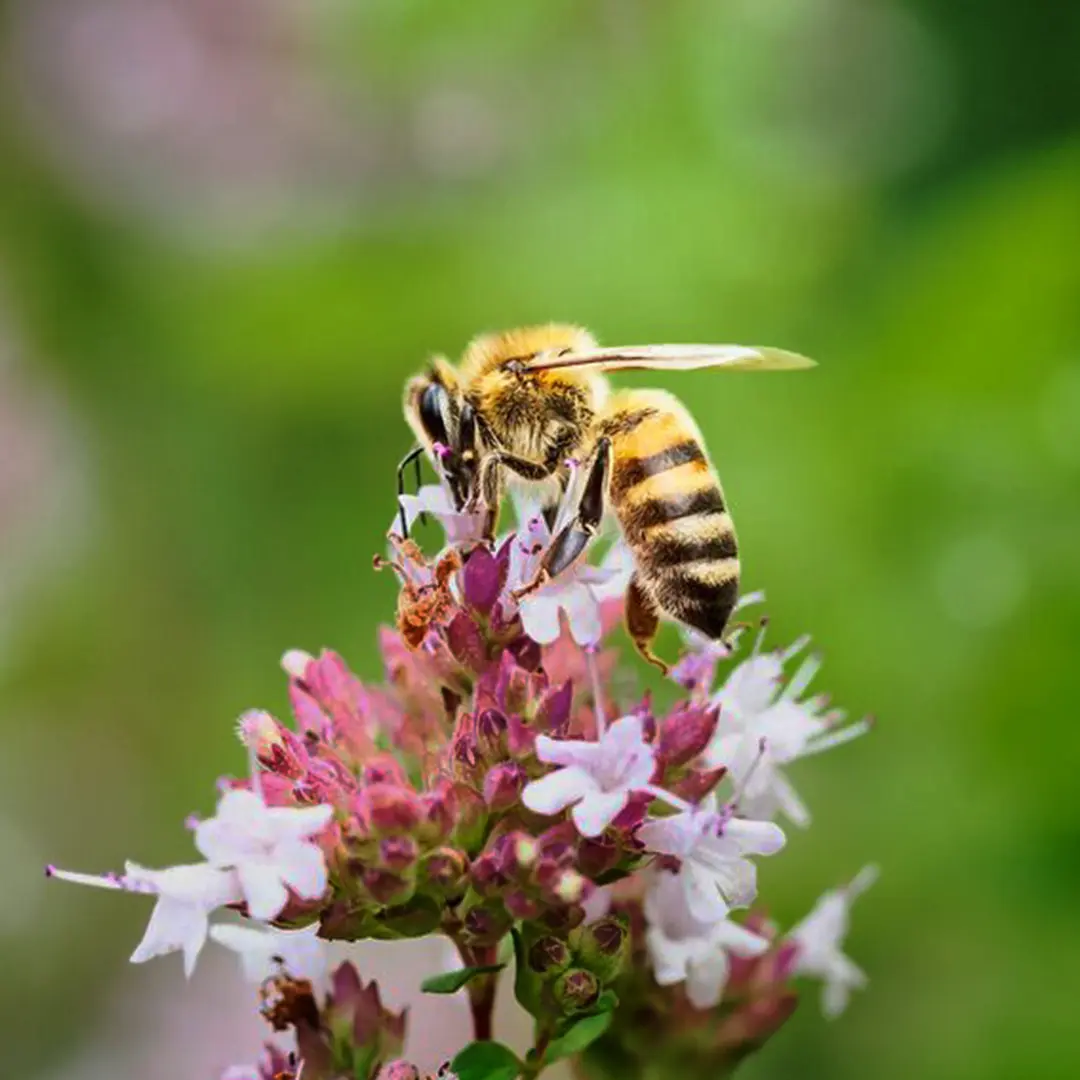
Modern gardens often focus on low maintenance. Succulents, palms, and architectural plants look neat and tidy. However, while they may suit busy homeowners, they don’t offer much for bees.
If you truly want to support pollinators, choosing the best flowers for bees makes a real difference.
Both honey bees and Australian native bees depend on flowering plants for survival. They collect nectar to make honey, and at the same time, they gather pollen. As they move from bloom to bloom, they pollinate plants. Without a steady supply of flowers, bees struggle especially during cooler months when food becomes scarce.
The good news? You don’t need too much land for it. Even a small backyard, balcony, or courtyard can become a valuable food source if you plant wisely.
Let’s explore how to choose the best flowers for bees and what to grow throughout the year.
What Makes a Flower Bee-Friendly?
Not all flowers are equal in the eyes of a bee.
Bees see colours differently from humans. They are especially attracted to blue, purple, yellow, and white blooms. While they can’t see red clearly, they may still visit red flowers if the scent is strong enough.
Shape also matters. Honey bees prefer open, flat flowers where nectar is easy to reach. On the other hand, many native bees have adapted to deeper or bell-shaped flowers. Some species even have longer tongues designed for accessing hidden nectar.
Therefore, variety is key.
Plant flowers in clusters rather than scattering them individually. Bees spot larger patches more easily. Moreover, try to select plants that bloom at different times of the year. Continuous flowering from early spring through late autumn ensures bees always have something to forage.
Best Flowers for Bees in Spring
Spring is when bee activity starts to increase. After winter, colonies need reliable nectar and pollen sources.
Lavender is one of the most dependable choices. It blooms for months, produces abundant nectar, and is easy to grow. Its purple spikes are highly attractive to both honey bees and native bees.
Daffodils bring bright yellow and orange tones to early spring gardens. Grown from bulbs, they can even bloom in late winter in some climates, giving bees an early food source.
Salvia (Sage) varieties produce tall purple and blue flowers. They thrive in warm conditions and require minimal maintenance. Bees, especially native species, are naturally drawn to them.
Bottlebrush is another excellent addition. This hardy Australian plant produces bright, brush-like flowers and supports native bee populations while also working well as a hedge or feature shrub.
Best Flowers for Bees in Summer
Summer gardens offer the greatest opportunity to provide abundant forage.
Sunflowers are a standout. Their large blooms are made up of hundreds of tiny flowers, offering generous pollen and nectar supplies. They are easy to grow from seed and bloom well into autumn.
Cosmos produces open, flat flowers in pink, white, orange, and yellow — exactly the type bees prefer. They are low-maintenance and perfect for beginner gardeners.
Calendula is another reliable summer bloomer. Its bright yellow and orange flowers provide continuous nectar and are easy to grow from seed.
Abelia shrubs, with their bell-shaped white or pink flowers, are especially beneficial for native bees. They bloom for an extended period, making them a valuable long-term food source.
Best Flowers for Bees in Autumn and Winter
As temperatures drop, flowering plants become even more important. Late-season blooms help colonies prepare for winter.
Daisies are ideal because of their flat, open shape. They allow easy access to nectar and pollen. Many varieties flower for long periods, some extending from autumn into spring.
Borage produces star-shaped blue-purple flowers that bees love. It grows well in pots, making it suitable for smaller spaces. As a bonus, it’s also a useful culinary herb.
Nasturtiums add bright colour to autumn gardens. Their bell-shaped flowers attract bees, and the edible blooms can even be used in salads.
By planting these seasonal varieties, you ensure your garden supports bees when natural food sources are limited.
Simple Tips to Support Bees
Choosing the best flowers for bees is a strong start. However, there are a few extra steps that make your garden even more welcoming:
-
Avoid pesticides where possible.
-
Provide shallow water sources with small stones for landing.
-
Allow some areas to grow naturally.
-
Plant a mix of native and flowering species.
Moreover, consistency matters more than perfection. A modest garden filled with diverse blooms can support hundreds of foraging visits each day.
A Win-Win for You and the Bees
Creating a bee-friendly garden doesn’t require complicated landscaping. It simply requires thoughtful planting.
By selecting the best flowers for bees and ensuring year-round blooms, you help strengthen local pollinator populations. At the same time, you enjoy a colourful, vibrant space filled with life and movement.
So, whether you have a backyard, a small courtyard, or even a few pots on a balcony, you can make a meaningful impact.
And honestly, when your garden is buzzing with activity, you’ll know it’s working.
Frequently Asked Questions
1. What are the best flowers for bees in Australia?
Some of the best flowers for bees in Australia include lavender, bottlebrush, salvia, daisies, sunflowers, and borage, as they provide rich nectar and pollen across different seasons.
Some of the best flowers for bees in Australia include lavender, bottlebrush, salvia, daisies, sunflowers, and borage, as they provide rich nectar and pollen across different seasons.
2. Do bees prefer certain flower colours?
Yes, bees are naturally attracted to blue, purple, white, and yellow flowers because they can see these colours more clearly than red.
Yes, bees are naturally attracted to blue, purple, white, and yellow flowers because they can see these colours more clearly than red.
3. How can I create a bee-friendly garden year-round?
Plant a mix of seasonal flowering plants that bloom from early spring through late autumn, and group them in clusters to make it easier for bees to forage
Plant a mix of seasonal flowering plants that bloom from early spring through late autumn, and group them in clusters to make it easier for bees to forage