
















Homestead Living: A Beginner’s Guide to Modern Homesteading
Author: Hornsby Beekeeping Date Posted:17 March 2026
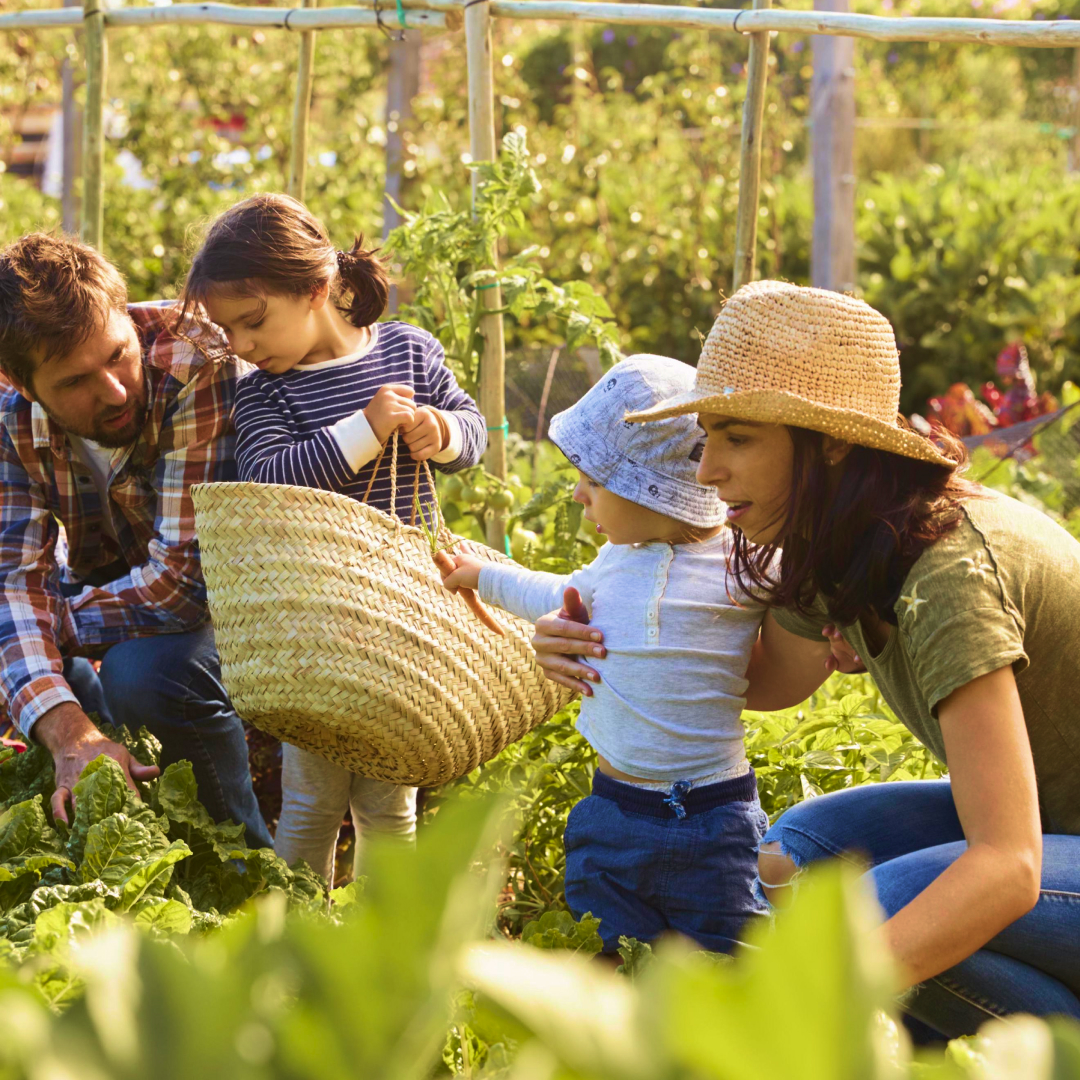
When many people imagine a homestead, they picture a farmhouse surrounded by large fields, livestock, and orchards. While this traditional image still exists, modern homesteading is much more flexible. Today, a homestead can be found almost anywhere from rural farms to small suburban backyards and even city apartments.
The idea behind homestead living is simple: creating a lifestyle focused on self-sufficiency, sustainability, and producing some of your own food or resources. You don’t need acres of land to start. Even small steps like growing herbs, raising chickens, or keeping bees can turn your space into a thriving homestead.
In the twenty-first century, homesteading has become increasingly popular among people who want to live more sustainably and reconnect with nature.
What Is a Homestead?
A homestead refers to a home where people aim to live more independently by producing some of their own food, goods, or energy. The concept originally came from agricultural traditions where families relied on their land to grow crops, raise animals, and preserve food.
Today, homesteading exists on a wide spectrum. Some people practice urban homesteading, growing vegetables on balconies and composting kitchen waste. Others live on larger properties where they grow crops, raise animals, and produce most of their own food.
Both lifestyles fall under the same idea of homestead living reducing dependence on outside resources and becoming more self-reliant.
Modern homesteaders may also practice skills such as food preservation, gardening, beekeeping, and crafting handmade goods for personal use or sale.
Benefits of Starting a Homestead
One of the biggest reasons people are drawn to homestead living is the range of benefits it offers. From saving money to supporting environmental sustainability, this lifestyle can positively impact both individuals and their communities.
Start Small Anywhere
One of the best things about starting a homestead is that you can begin almost anywhere. You do not need a large property to practice the basics of homesteading.
For example, you can start by:
- Growing herbs on a sunny windowsill
- Planting vegetables in a small backyard garden
- Composting food scraps to create nutrient-rich soil
Over time, you can expand your homestead by adding more crops, animals, or sustainable practices.
Become More Self-Sufficient
Another major advantage of homestead living is the opportunity to become more self-reliant. Many homesteaders grow their own fruits and vegetables, produce eggs from backyard chickens, or harvest honey from their own beehives.
Some people even go further by generating renewable energy through solar panels or wind power. While complete self-sufficiency may not be possible for everyone, every small step toward independence can make a difference.
Build Strong Community Connections
Homesteading often brings people closer to their communities. Sharing produce, eggs, honey, or homemade products with neighbours can create strong local connections.
In the past, communities often traded goods such as fruit, eggs, and vegetables instead of purchasing everything from stores. Many modern homesteaders are rediscovering the value of these traditions.
Reduce Waste and Save Money
Living on a homestead can also help reduce waste and household expenses. When you grow your own food, you avoid unnecessary packaging and reduce the environmental impact of transportation and processing.
Fresh produce from your garden is often healthier and more flavorful than store-bought alternatives. Additionally, producing some of your own food can help lower grocery bills over time.
Homestead Ideas for Beginners
If you are new to homesteading, there are many ways to start building your own homestead gradually.
Beekeeping
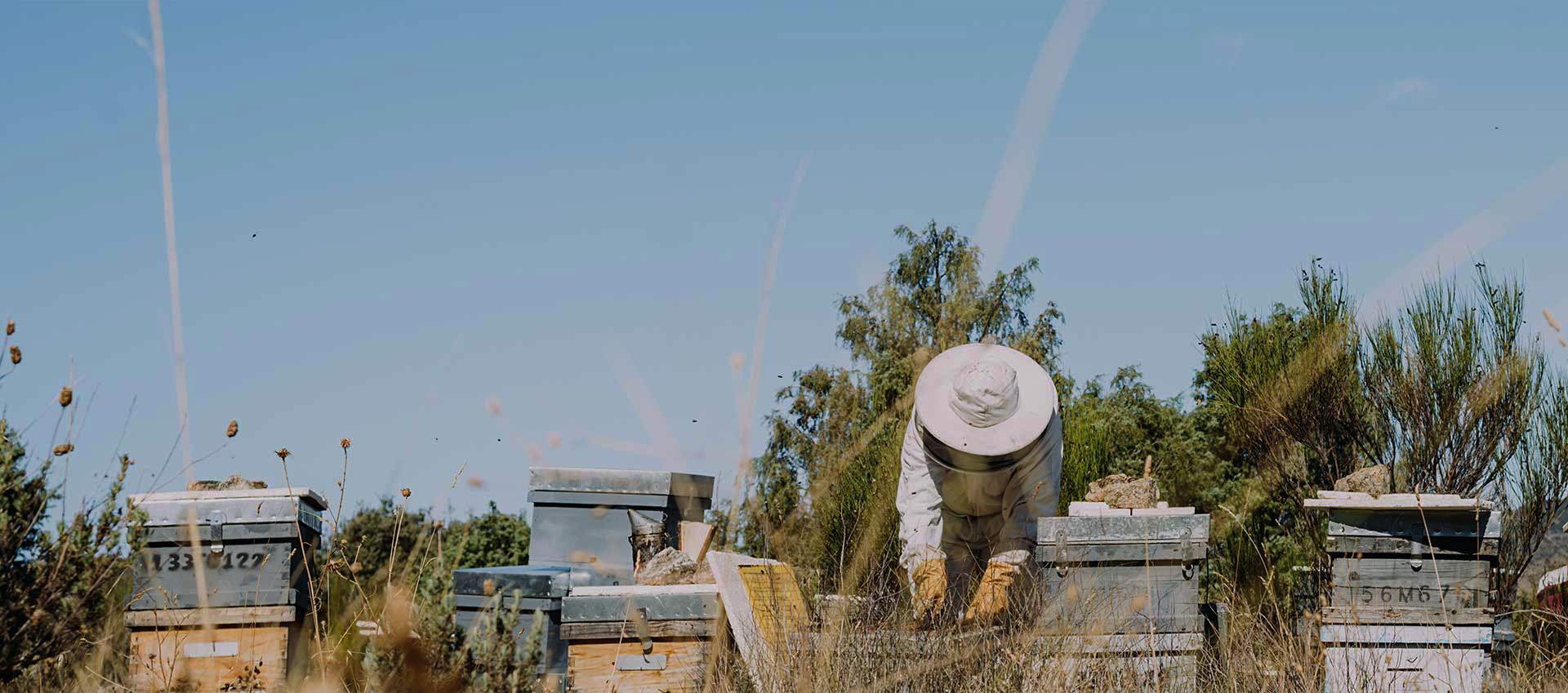
Bees are a valuable addition to many homesteads. A beehive can help pollinate fruit trees, vegetables, and flowering plants, improving your garden’s productivity.
Beekeeping also provides natural honey and beeswax. However, beginners should learn as much as possible before starting and consider connecting with experienced beekeepers or local clubs.
Chickens
Backyard chickens are another popular feature of many homesteads. They provide fresh eggs and help control pests around the garden.
Chicken manure can also be used as a natural fertilizer for vegetable beds, making it a useful addition to a sustainable homestead system.
Ducks
Ducks are similar to chickens but offer additional benefits. They produce eggs, help manage insects, and often eat weeds in gardens.
Like other livestock, their manure can be composted and used to enrich garden soil.
Vegetable Gardens, Herbs, and Fruit Trees
Growing your own food is one of the most rewarding parts of homestead living. Herbs, vegetables, and fruit trees can thrive even in small spaces.
Many homesteaders plant seasonal crops throughout the year to maintain a continuous harvest. Adding pollinators like bees can further improve crop yields and garden health.
Preserving Food
To maximize your harvest, many homesteaders practice food preservation. Methods such as canning, drying, freezing, fermenting, or pickling allow fruits and vegetables to last throughout the year.
This helps maintain a steady supply of homemade food even during seasons when fresh produce is not available.
Homestead Living Is for Everyone
The beauty of homestead living is that it can adapt to any lifestyle. Whether you have a small garden or a large rural property, you can start building a homestead that fits your space and goals.
By growing some of your own food, reducing waste, and learning traditional skills, you can create a more sustainable and rewarding way of living.
Even small changes can make a meaningful difference—both for your household and for the environment.
FAQs
1. What is a homestead lifestyle?
A homestead lifestyle focuses on self-sufficiency by growing food, raising animals, preserving produce, and reducing reliance on outside resources.
2. Can you start a homestead with little land?
Yes, many people start small homesteads in backyards or even apartments by growing herbs, vegetables, or raising small livestock like chickens.
3. What are the basics of homesteading for beginners?
Common starting points include gardening, composting, keeping chickens or bees, and learning food preservation methods such as canning or drying.