
















How Climate Change Is Affecting Honey Bees in Australia
Author: Hornsby Beekeeping Date Posted:30 June 2026
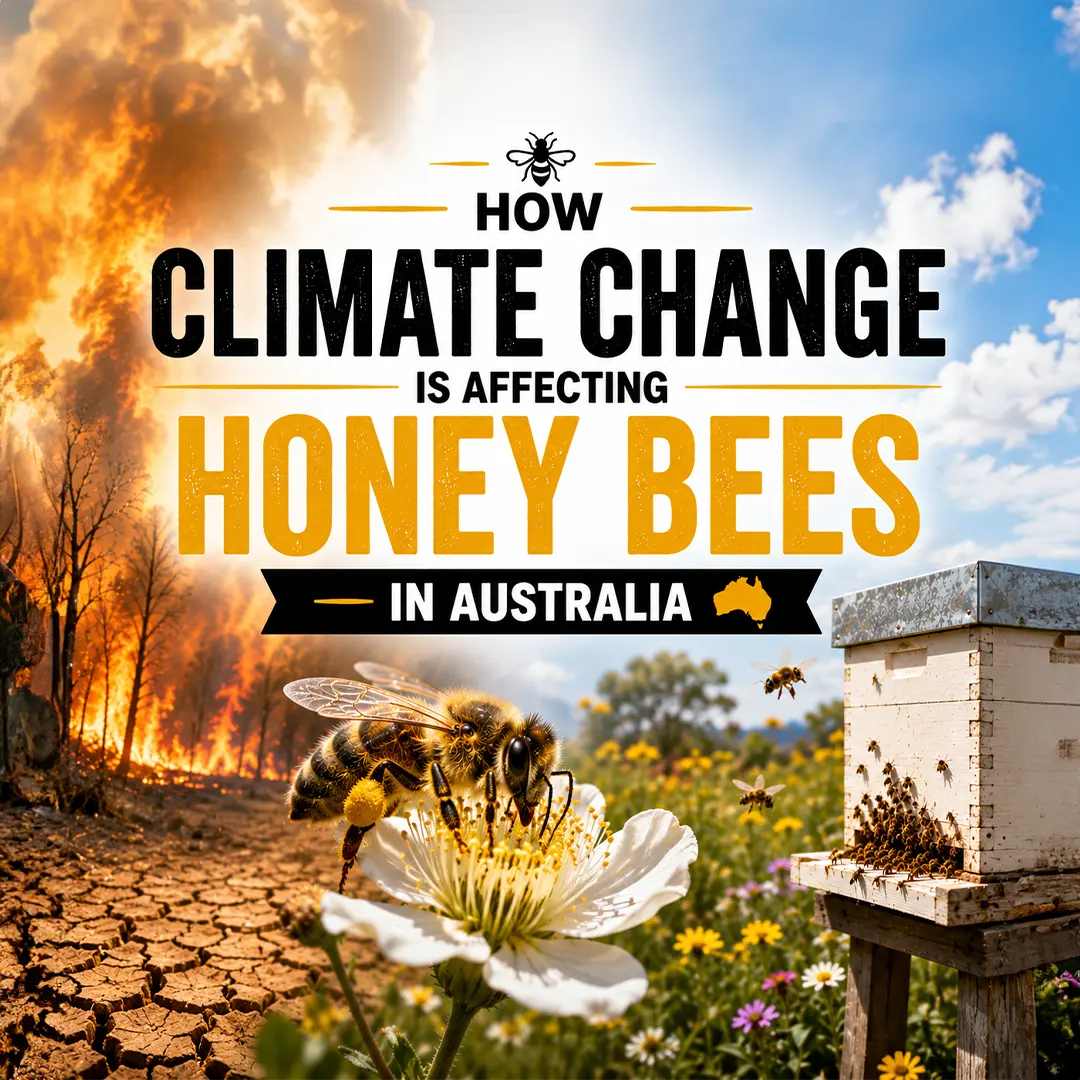
Climate change is becoming one of the most important long-term challenges for Australian beekeepers. Honey bees rely on stable seasonal patterns, reliable flowering plants, suitable temperatures, available water and strong colony timing. When these natural patterns shift, the effects can be seen inside the hive through changes in brood health, food stores, foraging behaviour and honey production.
Across Australia, beekeepers are already managing more unpredictable conditions. Hotter summers, longer dry periods, sudden storms, bushfire impacts and irregular nectar flows can all affect colony performance. As a result, modern beekeeping requires more observation, better seasonal planning and a stronger focus on hive resilience.
For Australian beekeepers, climate change is not only an environmental topic. It is a practical hive management issue. Understanding how changing weather affects honey bees can help beekeepers make better decisions about water, shade, feeding, pest monitoring, apiary location and honey harvesting.
Why Climate Change Matters for Australian Honey Bees
Honey bees respond strongly to weather and seasonal signals. Temperature affects when bees fly, rainfall affects plant growth, and flowering patterns influence when colonies can collect nectar and pollen. When these conditions are stable, bees can build their population at the right time and take advantage of strong nectar flows.
However, when seasons become less predictable, colony timing can become disrupted. A hive may build up early after warm weather, but if flowering is delayed or weakened by drought, the colony may not have enough nectar to support its growth. In another season, trees may flower earlier than expected, but the colony may not yet have enough foragers to collect the available nectar.
This mismatch between colony strength and food availability is one of the major ways climate change can affect beekeeping. It can reduce honey production, increase feeding needs and create stress for colonies that would otherwise appear healthy.
Changing Flowering Patterns and Nectar Flow
Flowering plants are the foundation of honey production. Bees need nectar for energy and honey storage, while pollen is essential for brood rearing and colony growth. When climate conditions affect flowering times or nectar quality, bees may struggle even when flowers are visible.
In many regions, warmer temperatures, dry soil and irregular rainfall can change when plants flower and how much nectar they produce. Some plants may flower earlier, some may flower for a shorter period, and others may produce less nectar during dry or extremely hot conditions. Therefore, a beekeeper may see bees flying actively but still find very little honey being stored.
This is why local observation is so important. Beekeepers should avoid relying only on a calendar and instead watch what is actually happening in their area. If the usual honey flow is weak, late or missing, it may be due to changing weather patterns rather than a problem inside the hive.
Heat Stress and Hive Temperature
Heat is one of the most direct climate-related pressures on honey bees in Australia. Honey bee colonies work hard to maintain a stable brood nest temperature. During hot weather, worker bees collect water and fan their wings to cool the hive through evaporation. This natural cooling system is effective, but extreme heat can still push colonies under stress.
When a hive becomes too hot, bees may reduce normal foraging and focus more on cooling. They may gather outside the hive in a behaviour known as bearding, collect more water, or become less active during the hottest part of the day. If heat stress becomes severe, brood health can suffer and wax comb may soften or collapse.
Heat stress is especially risky for weak colonies, overcrowded hives, poorly ventilated boxes and hives exposed to harsh afternoon sun. Strong colonies can usually manage heat better, but they still need support through good hive placement, reliable water and sensible summer management.
Drought and Poor Bee Nutrition
Drought can seriously affect honey bees because it reduces the quality and availability of forage. Plants need moisture to grow, flower and produce nectar. When rainfall is low, flowers may produce less nectar, pollen may be limited and colonies may have to fly further to find food.
Poor nutrition can affect the whole colony. Queens may reduce egg laying, brood development may slow and worker bees may become less productive. In some cases, a colony may look active at the entrance but still be using more food than it is bringing in.
During drought or long dry spells, beekeepers should pay close attention to food stores. Harvesting too much honey before a nectar gap can leave bees short of reserves. Therefore, it is better to check hive weight, inspect stores when conditions allow and feed only when the colony genuinely needs support.
Bushfires, Smoke and Loss of Bee Forage
Bushfires can affect honey bees in both immediate and long-term ways. A severe fire may destroy hives directly, but even when hives survive, nearby flowering plants and native forage may be damaged. This can reduce nectar and pollen availability for future seasons.
Smoke and heat can also affect bee activity. Colonies exposed to prolonged heat or smoke may take time to recover, and damaged apiary sites may become unsafe or difficult to access. For commercial and hobby beekeepers alike, the loss of flowering trees after fire can reduce honey production well beyond the fire season itself.
Because of this, beekeepers in fire-prone areas should think ahead. Apiary access, water availability, safe hive placement, fire warnings and backup sites should all be considered as part of seasonal beekeeping planning.
Heavy Rain, Flooding and Hive Moisture
Climate change can also increase the risk of intense rainfall events in some areas. While drought is a major concern, too much rain can also create problems for bees. Heavy rain can stop bees from flying, wash nectar from flowers and create damp conditions inside or around hives.
Moisture inside a hive can lead to mould, chilled brood and general colony stress. Flooding can also destroy equipment, drown colonies or make apiaries inaccessible. In low-lying areas, even a strong hive may be at risk if the site has poor drainage.
To reduce these risks, hives should be placed on stable stands in well-drained locations. Lids should be secure, boxes should be in good condition and entrances should remain clear. A slight forward tilt can also help prevent water from pooling inside the hive.
Increased Pest and Disease Pressure
Climate stress does not always cause pests and disease directly, but it can make colonies more vulnerable. A strong, well-fed colony can defend itself better against many problems. In contrast, a weak or stressed colony may struggle to manage small hive beetle, wax moth, robbing, brood disease or Varroa mite pressure.
For example, when a colony becomes weak after drought, heat or poor nutrition, empty comb space may become harder to defend. This can create better conditions for pests. Similarly, if brood health declines, disease signs may appear more quickly or become harder to manage.
This is why climate-aware beekeeping must include regular pest monitoring. Australian beekeepers should inspect brood health, adult bees, food stores and pest levels as part of routine hive management. Good records also help identify whether problems are seasonal, environmental or related to colony health.
How Climate Change Can Reduce Honey Production
Honey production depends on two main things: strong colonies and strong nectar flows. Climate change can affect both. Even if a hive has many bees, it may not produce surplus honey if drought, heat, rain or poor flowering reduces nectar availability.
At the same time, climate stress can make bees use more of their own stores. During heatwaves, bees may focus on cooling the hive instead of collecting nectar. During poor weather, they may stay inside and consume stored honey. During drought, they may need more support from existing reserves.
For this reason, beekeepers should not judge hive success only by the amount of honey harvested. In difficult seasons, maintaining colony health may be more important than taking a large crop. A healthy colony that survives a poor season can recover and become productive when conditions improve.
Practical Ways Australian Beekeepers Can Adapt
Although beekeepers cannot control the weather, they can manage hives in ways that improve resilience. The most important step is to become more responsive to local conditions rather than following a fixed routine.
Useful climate-aware beekeeping practices include:
-
Providing reliable water during hot weather
-
Using shade during extreme afternoon heat where needed
-
Monitoring food stores during drought and nectar gaps
-
Avoiding over-harvesting before uncertain seasons
-
Keeping colonies strong and appropriately sized
-
Reducing excess empty space in weak hives
-
Monitoring Varroa mite and other pests regularly
-
Keeping clear hive records across seasons
-
Choosing apiary sites with diverse forage and good drainage
-
Preparing early for bushfire, flood and heatwave risks
These actions may seem simple, but together they help reduce stress on the colony. Over time, good records also help beekeepers understand how climate patterns are affecting their own apiary.
The Role of Bee-Friendly Gardens
Gardeners can also help bees adapt to changing conditions by planting more reliable sources of nectar and pollen. A bee-friendly garden should include flowers across different seasons, not just one short spring display. This helps support bees during seasonal gaps when natural forage is limited.
In Australian gardens, useful choices may include rosemary, lavender, thyme, oregano, basil, borage, grevillea, bottlebrush, banksia, native daisies and flowering gums where suitable. However, plant selection should always match the local climate, soil and available space.
It is also important to avoid spraying pesticides on flowers visited by bees. A garden is only truly bee-friendly when it provides safe food, clean water and chemical-safe flowering plants.
What This Means for New Beekeepers
New beekeepers should understand that beekeeping in Australia is becoming more dependent on local observation. A hive in Sydney may experience different seasonal pressures from a hive in Brisbane, Melbourne, Perth, Adelaide, Hobart or regional New South Wales. Therefore, advice should always be adjusted to local weather, flowering conditions and hive strength.
Instead of expecting the same result every year, beekeepers should learn to read the hive and the landscape together. If nectar flow is weak, if bees are collecting extra water, if brood patterns change or if stored honey drops quickly, the colony may be responding to environmental stress.
The best approach is to inspect carefully, act early and learn from each season. Beekeeping success now depends not only on equipment and technique, but also on understanding how changing weather affects bees.
Final Thoughts
Climate change is affecting honey bees in Australia through hotter summers, drought, changing flowering patterns, bushfire impacts, heavy rainfall, pest pressure and unpredictable honey flows. These challenges do not mean beekeeping is impossible. However, they do mean beekeepers need to be more observant, flexible and prepared.
Strong colonies, reliable water, careful food monitoring, good pest control and smart hive placement can all help bees cope with changing conditions. By understanding the connection between climate, flowering plants and hive health, Australian beekeepers can make better decisions and support healthier colonies through every season.
If you need swarm collection equipment, nucleus boxes, protective clothing, or expert beekeeping advice, Hornsby Beekeeping Supplies is here to help. Contact our experienced team on 02 9477 5569 or email info@hornsby-beekeeping.com for trusted products and practical beekeeping support across Australia.
FAQs
How does climate change affect honey bees in Australia?
Climate change can affect honey bees by increasing heat stress, changing flowering patterns, reducing nectar availability, increasing drought pressure and making seasonal hive management less predictable.
Can heatwaves harm beehives?
Yes, heatwaves can place serious stress on beehives. Bees may need to collect more water, reduce foraging and spend more effort cooling the hive. In severe cases, brood, queens and wax comb can be affected.
Why does drought reduce honey production?
Drought reduces plant growth and nectar production. Even when flowers are visible, they may not produce enough nectar for bees to store surplus honey.
Are flowering seasons changing in Australia?
Flowering times can vary due to temperature, rainfall and seasonal conditions. In some areas, flowers may appear earlier, later or for a shorter period than expected, which can affect bee foraging.
Does climate change increase pest problems in hives?
Climate stress can weaken colonies, and weak colonies are more vulnerable to pests such as small hive beetle, wax moth and Varroa mite. Regular pest monitoring is important.
How can beekeepers protect hives from climate stress?
Beekeepers can provide water, manage shade and ventilation, monitor food stores, reduce excess hive space, keep strong colonies and follow current Australian biosecurity guidance.
Should gardeners plant more bee-friendly plants?
Yes, bee-friendly plants can help provide nectar and pollen during seasonal gaps. Choose plants suited to your local Australian climate and avoid pesticides on flowering plants.
Is honey production always lower during climate stress?
Not always, but heat, drought, heavy rain and poor flowering can reduce honey production. In difficult seasons, colony health should be prioritised over harvesting.