

















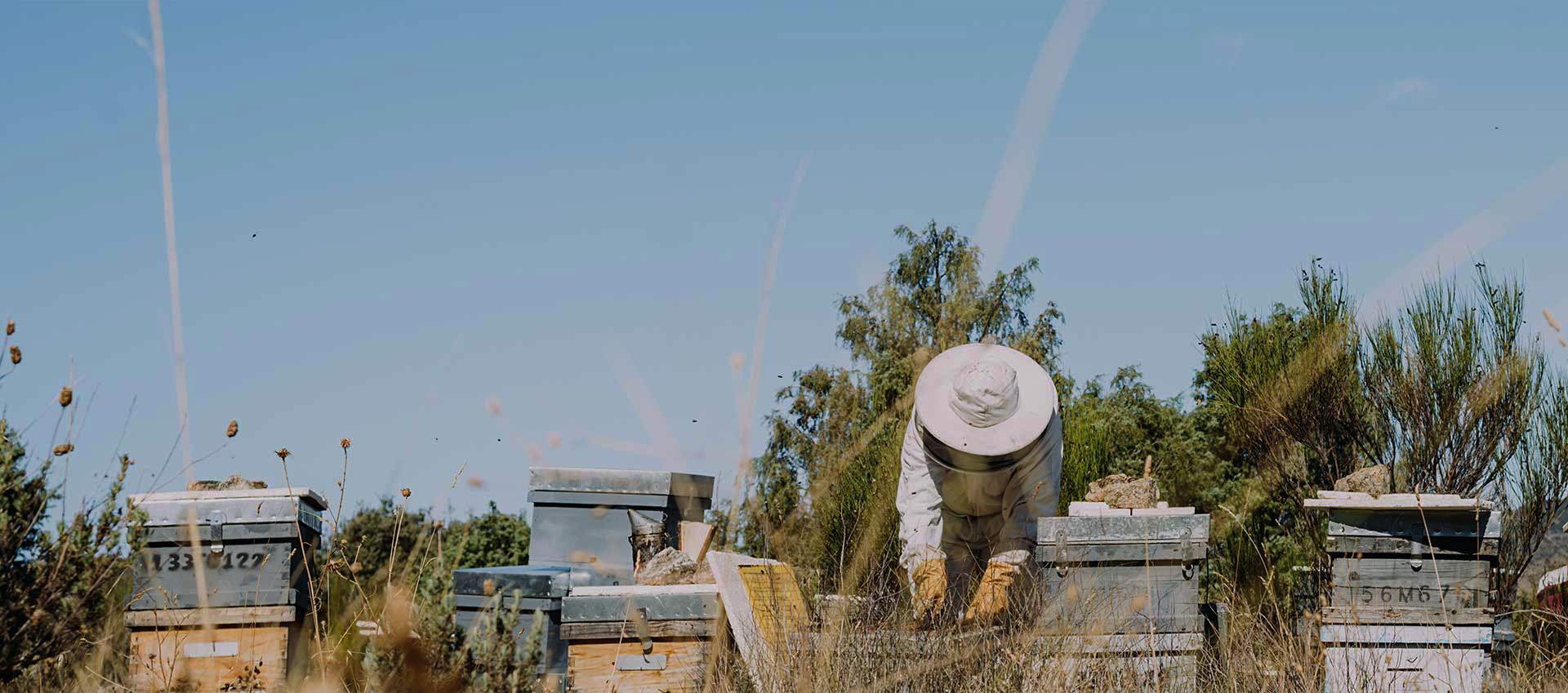
how do bees make honey?
Date Posted:6 March 2026
Many people enjoy the sweetness of honey but rarely stop to think about how do bees make honey inside a hive. From collecting nectar to transforming it into golden honey, the process is a perfect example of teamwork and natural engineering.
Honeybees travel thousands of flowers every day to gather nectar. Back in the hive, worker bees transform that nectar into honey that can be stored and used as food for the colony. Understanding how bees make honey helps us appreciate the incredible effort behind every spoon of honey.
In this guide, we will explore why bees produce honey, what honey is made of, and the step-by-step process of how honey is made in a hive.
Why Do Bees Make Honey?
Before understanding how do bees make honey, it’s important to know why bees make honey in the first place.
Bees produce honey as a long-term food supply for the colony. Flowers do not bloom all year round. During colder months or dry seasons, nectar becomes scarce. Honey allows bees to store energy so they can survive when food sources disappear.
If nectar were stored without processing, it would ferment and spoil. By turning nectar into honey, bees create a stable, long-lasting food source that can remain edible for months or even years inside the hive.
Honey also helps bees maintain energy during winter, support brood development, and fuel activities such as building comb or flying long distances to forage.
What Is Honey Made Of?
To fully understand how bees make honey, we must first understand what honey is made of.
Bees collect two main food sources from flowers:
Nectar: the sugary liquid produced by plants.
Pollen: the protein source used to feed developing bees.
Nectar contains mainly sucrose, a natural sugar. When bees process nectar, enzymes inside their honey stomach break this sugar down into simpler sugars such as glucose and fructose.
As a result, honey becomes a complex natural food that contains:
- Natural sugars (glucose and fructose)
- Small amounts of vitamins and minerals
- Amino acids and enzymes
- Antioxidants and plant compounds
The taste, color, and aroma of honey depend on the flowers the bees visited. For example, honey from eucalyptus flowers tastes very different from honey made from clover or wildflowers.
How Do Bees Make Honey? Step-by-Step Process
Now let’s look at the fascinating process of how bees make honey in a beehive.
1. Bees Collect Nectar from Flowers
The process begins when worker bees leave the hive to forage. Using their long tongues, they collect nectar from flowering plants.
This nectar is stored in a special part of the bee’s body called the honey stomach or crop. A single bee may visit hundreds of flowers in one trip, carrying nectar back to the hive.
2. Enzymes Begin the Honey-Making Process
Inside the bee’s honey stomach, special enzymes start breaking down complex sugars in nectar into simpler sugars. This chemical transformation is the first stage of how honey is made, helping prevent fermentation and making the liquid more stable.
3. Nectar Is Passed Between Worker Bees
When the forager bee returns to the hive, it transfers the nectar to house bees.
This transfer happens through mouth-to-mouth exchange, a process called trophallaxis. Each bee adds more enzymes to the nectar, continuing the transformation into honey.
4. Bees Store Nectar in Honeycomb Cells
After the nectar has been processed, bees place it into wax honeycomb cells inside the hive.
At this stage, the liquid is still quite watery. Fresh nectar can contain up to 70–80% water, which is too high for long-term storage.
5. Bees Evaporate Water to Create Honey
To turn nectar into thick honey, bees must remove excess water.
Worker bees fan their wings over the honeycomb, creating airflow that slowly evaporates the water. This natural dehydration process reduces the moisture level to around 17–18%, which prevents spoilage.
This is the final stage of how does bees make honey naturally.
6. Honey Cells Are Sealed with Wax
Once the honey reaches the correct thickness, bees seal the honeycomb cell with a thin wax cap.
This protects the honey and allows it to be stored safely for future use. Beekeepers often wait until the honey is capped before harvesting it, ensuring the honey is fully mature.
Interesting Facts About How Bees Make Honey
Here are some fascinating facts about how honey is made by bees:
- A single honeybee produces only about 1/12 teaspoon of honey in its lifetime.
- A colony must visit millions of flowers to produce a single jar of honey.
- Honey can vary in color from almost clear to dark amber depending on flower sources.
- Properly stored honey never spoils, making it one of the longest-lasting natural foods.
These facts show just how much work goes into producing the honey we enjoy every day.
What Do Bees Do With Honey in the Hive?
Honey is essential for the survival of the colony.
Bees use stored honey for:
- Energy during cold seasons
- Feeding young bees (brood)
- Fuel for flying and foraging
- Supporting the colony during bad weather
Before a colony swarms to form a new hive, bees will often consume large amounts of honey to give them the energy needed to build a new nest. Without honey storage, a bee colony would struggle to survive periods without flowers.
Final Thoughts
Learning how do bees make honey reveals just how incredible these tiny pollinators really are. Through teamwork, complex chemical processes, and thousands of flower visits, bees transform simple nectar into the golden honey we love.
The next time you enjoy a spoon of honey, remember the remarkable journey behind it from flowers in the field to carefully stored honey inside a beehive.
Protecting bees and supporting sustainable beekeeping helps ensure that this natural process continues for generations to come.