


















How Do Bees Make Wax?
Author: Hornsby Beekeeping Date Posted:10 March 2026
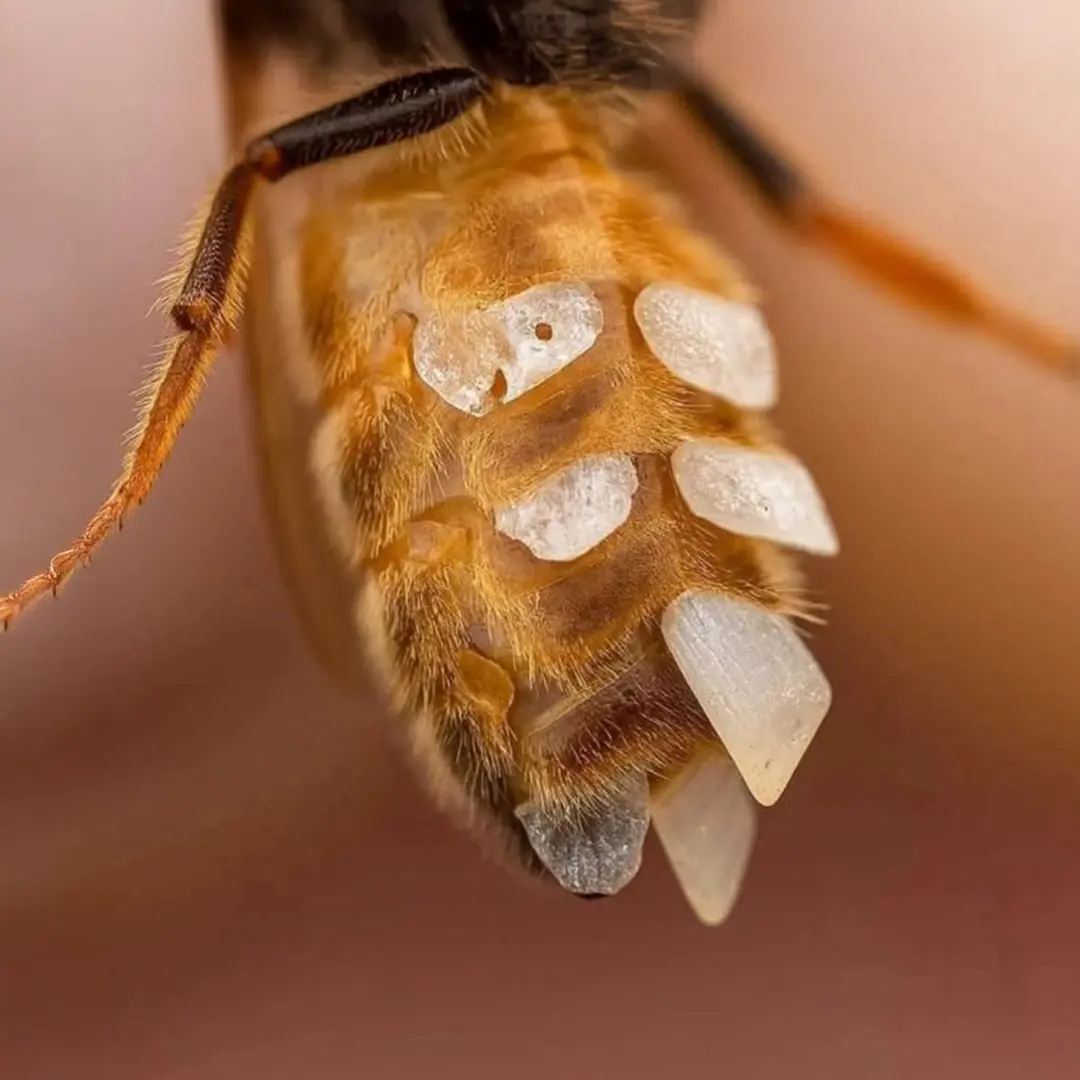
Beeswax is an incredible natural material produced by honeybees.. For thousands of years, humans have used it for candles, cosmetics, medicine, and food preservation. But many people still wonder how do bees make wax and why it is so important inside the hive.
Honeybees produce wax naturally to build the structure of their hive. The wax forms the honeycomb where bees store honey, raise young bees, and protect their colony. Understanding how do bees produce wax helps us appreciate the incredible effort and teamwork behind every beehive.
In this guide, we will explore what is beeswax, how bees create it, and how it is used inside the hive.
What Is Beeswax?
Before learning how do bees make wax, it’s important to understand what is beeswax.
Beeswax is a natural wax produced by honeybees. It is secreted from special wax glands found on the underside of worker bees’ abdomens. Bees use this wax to build honeycomb structures, which act as both storage containers and nurseries for developing bees.
The honeycomb structure is made up of perfectly shaped hexagonal cells. These cells are incredibly efficient, allowing bees to store honey, pollen, and brood while using the least amount of wax possible.
Beeswax is natural, biodegradable, and non-toxic so, it has been widely used by humans for products such as:
- Beeswax candles
- Lip balms and cosmetics
- Natural food wraps
- Wood polish and sealants
- Soaps and medicinal balms
How Do Bees Make Wax?
So, how do bees produce wax inside the hive?
Young worker bees, usually between 8 and 20 days old, are responsible for wax production. At this stage of their life, their wax glands are most active.
Here’s how the process works:
1. Bees Consume Honey for Energy
Producing wax requires a lot of energy. Bees must consume large amounts of honey to produce wax. In fact, bees may use around 6–8 kilograms of honey to produce 1 kilogram of beeswax.
Because of this high energy cost, bees usually produce wax only when nectar is abundant.
2. Wax Flakes Are Secreted from Wax Glands
Worker bees have eight wax-producing glands located on the underside of their abdomen.
These glands release tiny transparent wax flakes, which look like small scales.
3. Bees Chew and Soften the Wax
After the wax flakes appear, the worker bees collect them with their legs and transfer them to their mouths. They chew the wax and mix it with enzymes from their saliva.
This process softens the wax, making it flexible enough to shape and build honeycomb.
4. Bees Shape Wax into Honeycomb
Bees work together to build the comb. Often they form chains of bees hanging together inside the hive. This behavior helps maintain the correct temperature so the wax stays soft and workable.
Using their mandibles, bees carefully mould the wax into perfect hexagonal cells, creating the honeycomb structure.
How Bees Use Beeswax in the Hive
Now that we understand how do bees make wax, it’s important to know how bees use it.
Beeswax is essential for the survival of the colony. Bees use wax to create honeycomb cells that serve several purposes:
- Honey storage: Bees store nectar and honey inside wax cells.
- Pollen storage: Cells hold pollen that will be used as food.
- Brood rearing: The queen lays eggs inside wax cells where young bees develop.
- Honey sealing: Once honey is ready, bees seal the cells with wax caps to preserve it.
The honeycomb acts as both the pantry and nursery of the hive, making beeswax one of the most valuable materials in beekeeping.
Common Uses of Beeswax for Humans
Besides its role in the hive, beeswax has many practical uses. Once harvested by beekeepers, beeswax can be used to make:
- Natural beeswax candles
- Lip balms and skincare products
- Food wraps as a plastic alternative
- Furniture polish and wood protectants
- Handmade soaps and medicinal salves
Because it is natural, renewable, and sustainable, beeswax remains one of the most valuable byproducts of beekeeping.
Final Thoughts on How Bees Make Wax
Understanding how do bees make wax shows just how remarkable honeybees truly are. Through complex biological processes and teamwork, bees transform honey into wax and build the intricate honeycomb structures that support their entire colony.
The next time you see a piece of honeycomb or use a beeswax candle, remember the incredible effort that goes into producing this natural material.
Beeswax is not only essential for the hive but also one of the most useful and sustainable gifts that bees provide to the world.