
















Smart Beekeeping: How Technology Is Changing Modern Apiaries
Author: Hornsby Beekeeping Date Posted:1 July 2026
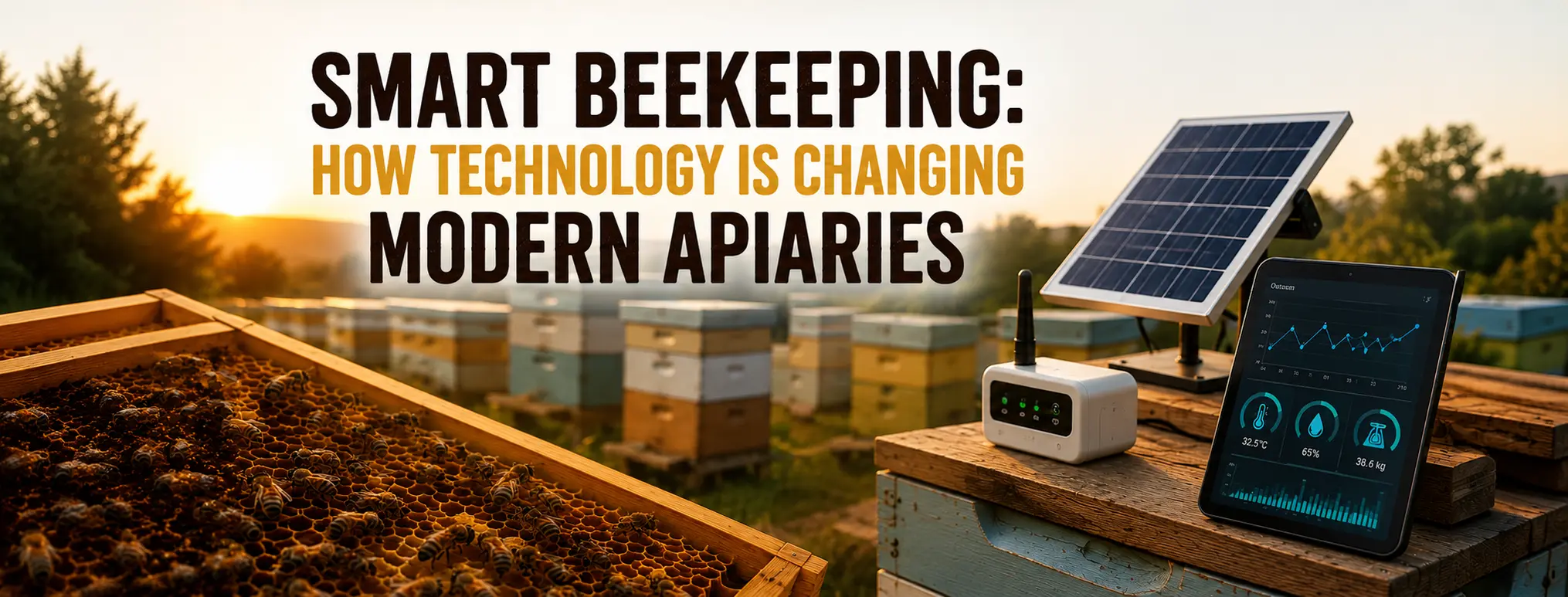
Beekeeping has always relied on observation. A good beekeeper watches the entrance, reads brood patterns, checks food stores, listens to colony behaviour and understands the local season. However, modern technology is now giving beekeepers new ways to collect information between inspections.
Smart beekeeping does not replace traditional hive management. Instead, it supports better decision-making by helping beekeepers track hive weight, temperature, humidity, location, weather patterns, inspection history and colony changes. For Australian beekeepers managing heatwaves, remote apiary sites, Varroa monitoring and changing nectar flows, this information can be extremely useful.
Whether you keep one backyard hive or manage several apiary sites, technology can help you become more organised and responsive. The key is knowing which tools are genuinely useful and how to combine them with hands-on hive inspections.
What Is Smart Beekeeping?
Smart beekeeping refers to the use of digital tools, sensors and data systems to support hive management. This may include hive scales, temperature sensors, humidity monitors, GPS trackers, inspection apps, digital record systems, weather tools and remote monitoring platforms.
The goal is not to turn beekeeping into a fully automated process. Bees are living colonies, and they still need proper inspections, good judgement and practical care. However, smart tools can show trends that may not be obvious from one inspection alone.
For example, a hive scale can show whether a colony is gaining weight during a nectar flow or losing stores during a dry period. A temperature sensor may show unusual changes inside the hive. A digital record system can help you track queen age, treatments, feeding, swarm control and pest monitoring over time.
Why Technology Matters for Australian Beekeepers
Australia’s beekeeping conditions can be challenging. Beekeepers may deal with hot summers, drought, bushfire smoke, sudden storms, long travel distances, seasonal nectar gaps and pest pressure. In addition, Varroa management and biosecurity responsibilities have made accurate records and regular monitoring more important than ever.
Smart tools can help beekeepers respond earlier instead of waiting until a problem becomes obvious. This is especially helpful for hives kept away from home, pollination hives, larger apiaries or colonies in areas affected by unpredictable weather.
Technology can help Australian beekeepers with:
-
Tracking nectar flow through hive weight
-
Monitoring heat stress risk
-
Recording inspections and treatments
-
Managing multiple hive locations
-
Keeping better biosecurity records
-
Planning honey harvest timing
-
Detecting unusual colony changes
-
Reducing unnecessary hive disturbance
-
Improving apiary organisation
However, technology works best when it supports good beekeeping habits. A sensor can alert you to a change, but it cannot replace the skill of inspecting brood, checking queen status or identifying disease signs.
Hive Scales and Weight Monitoring
Hive scales are one of the most useful smart beekeeping tools. They measure hive weight and help beekeepers understand whether a colony is gaining or losing stores. This can be especially helpful during nectar flow, drought, winter preparation or after a new super has been added.
If hive weight is increasing steadily, bees may be bringing in nectar and storing honey. If weight drops quickly, the colony may be consuming stores, experiencing robbing or going through a nectar gap. These patterns can help the beekeeper decide when to inspect, feed, add space or prepare for harvest.
Hive scales are useful for:
-
Tracking honey flow
-
Checking food store trends
-
Knowing when supers may be filling
-
Spotting sudden weight loss
-
Reducing unnecessary inspections
-
Comparing apiary sites
-
Planning harvest timing
For Australian beekeepers, weight monitoring can be especially valuable during dry periods when flowers may be present but producing little nectar. Instead of guessing, the beekeeper can use hive weight trends as one more piece of evidence.
Temperature and Humidity Sensors
Temperature and humidity sensors can provide useful information about the internal hive environment. Honey bees work hard to maintain suitable brood nest conditions, and changes in temperature or moisture may indicate stress, reduced colony strength or changing seasonal behaviour.
During summer, temperature data may help beekeepers identify hives at risk of heat stress. During wet periods, humidity data may help highlight moisture issues that could contribute to mould or poor hive conditions. However, sensor readings should always be interpreted carefully.
A temperature or humidity change does not automatically mean the hive is failing. It may reflect weather, colony size, brood pattern, ventilation or sensor placement. Therefore, these readings should guide inspections rather than replace them.
Useful sensor data may help with:
-
Summer heat monitoring
-
Hive moisture awareness
-
Brood nest stability checks
-
Comparing strong and weak colonies
-
Identifying unusual hive changes
-
Supporting winter and autumn management
-
Reducing unnecessary disturbance
In hot Australian regions, sensors may be especially useful when combined with practical steps such as water access, afternoon shade, ventilation and suitable hive placement.
Remote Hive Monitoring
Remote hive monitoring is becoming more valuable for beekeepers who cannot inspect every hive frequently. This is common in Australia, where hives may be placed on rural properties, pollination sites, farms or remote apiary locations.
Remote systems may send hive data to a phone or computer, allowing the beekeeper to check trends without visiting the site. Depending on the system, this data may include weight, temperature, humidity, sound, movement alerts or GPS location.
Remote monitoring can help beekeepers decide when a site needs attention. For example, a sudden drop in hive weight may suggest robbing, storm damage or a colony issue. A GPS alert may help protect valuable equipment from theft or movement. A temperature change may suggest that the colony needs inspection.
Remote monitoring is useful when you need to:
-
Manage hives away from home
-
Reduce unnecessary travel
-
Track pollination hives
-
Watch nectar flow at different sites
-
Monitor heat or weather stress
-
Detect sudden changes between inspections
-
Improve planning for harvest or feeding
Even with remote technology, physical inspections are still necessary. Brood health, queen status, Varroa testing and disease checks cannot be fully confirmed by sensors alone.
Beekeeping Apps and Digital Records
Good records are a major part of good beekeeping. As soon as you manage more than one hive, it becomes difficult to remember every inspection detail. Digital beekeeping apps and spreadsheets can help keep everything organised.
A good record system should track queen status, brood pattern, food stores, pest checks, treatments, feeding, hive movements and equipment changes. This is especially important for Australian beekeepers because biosecurity and Varroa monitoring require clear, consistent records.
Useful records may include:
-
Hive number or name
-
Inspection date
-
Queen status
-
Brood condition
-
Honey and pollen stores
-
Pest and disease observations
-
Varroa monitoring results
-
Treatment product and date
-
Feeding notes
-
Swarm cells or queen cells
-
Hive movement details
-
Follow-up tasks
The best record system is the one you will actually use. Some beekeepers prefer apps, while others prefer spreadsheets or paper notebooks. The format matters less than consistency.
GPS Tracking and Hive Security
Hive theft and equipment loss can be a concern, especially for beekeepers with remote apiary sites or pollination hives. GPS tracking can help monitor hive location and provide alerts if equipment is moved unexpectedly.
GPS systems may be installed in hive equipment, vehicles or apiary assets. They are not necessary for every backyard beekeeper, but they can be useful for larger operations or valuable hive sites.
GPS tracking may help with:
-
Hive theft prevention
-
Monitoring hive movement
-
Managing pollination sites
-
Finding remote apiaries
-
Recording hive locations
-
Improving logistics
-
Protecting expensive equipment
For commercial or expanding beekeepers, location tracking can also support better planning. Knowing where hives are, when they were moved and how they performed at each site can help improve future decisions.
Smart Beekeeping and Varroa Management
Varroa mite management depends on regular monitoring, accurate records and timely treatment decisions. While smart technology cannot replace alcohol wash, sugar shake or other recognised mite testing methods, it can help beekeepers organise and interpret their management data.
For example, digital records can track mite counts, treatment dates, active ingredients, follow-up testing and product rotation. This helps avoid repeated use of the same treatment and supports better decision-making across the season.
Technology can support Varroa management by helping record:
-
Mite test dates
-
Testing method used
-
Number of mites counted
-
Treatment product
-
Treatment start and removal date
-
Follow-up mite levels
-
Hive strength before and after treatment
-
Signs of reinfestation or treatment failure
This is where smart beekeeping becomes very practical. It helps turn Varroa management from a memory-based task into a structured system.
Weather Tools and Apiary Planning
Weather has a major impact on hive inspections, honey flow, queen mating, feeding, heat stress and swarm management. Modern weather tools can help beekeepers plan work more safely and effectively.
Checking the forecast before opening hives is simple but important. Bees are usually easier to inspect in suitable weather, and some treatments or management tasks have temperature restrictions. Weather data can also help explain changes in hive behaviour.
Weather tools can help with:
-
Planning inspections
-
Avoiding heatwave hive disturbance
-
Timing queen introduction
-
Monitoring nectar flow conditions
-
Preparing for storms or high wind
-
Managing summer water needs
-
Planning Varroa treatment timing
-
Understanding sudden drops in foraging
For Australian beekeepers, weather awareness is especially important during summer heatwaves, bushfire seasons, wet periods and drought conditions.
Acoustic Monitoring and Hive Sound
Some smart hive systems use sound or vibration data to monitor colony activity. Bees produce different sounds depending on colony condition, queen status, swarming behaviour, stress or general activity. While this area is still developing, acoustic monitoring may become more useful as technology improves.
For now, hive sound should be seen as a supporting signal rather than a final diagnosis. A change in sound may suggest the hive needs attention, but a beekeeper still needs to inspect the colony to confirm what is happening.
Possible uses of acoustic monitoring include:
-
Detecting unusual colony activity
-
Supporting swarm prediction
-
Monitoring stress events
-
Comparing hive behaviour
-
Reducing unnecessary inspections
Experienced beekeepers have always listened to their hives. Smart acoustic tools are simply adding data to that traditional skill.
Cameras and Visual Monitoring
Cameras can be useful in some beekeeping situations, especially for entrance monitoring, security or educational purposes. A camera near the hive entrance can show activity patterns, robbing behaviour, wasp pressure, water collection or unusual movement.
However, cameras have limits. Entrance activity does not show everything happening inside the hive. A hive may look busy at the entrance but still have queen problems, poor brood, low stores or pests inside.
Cameras can help monitor:
-
Entrance traffic
-
Robbing behaviour
-
Predator activity
-
Hive security
-
Bee orientation flights
-
General activity patterns
-
Educational demonstrations
For hobby beekeepers, cameras are often more useful for observation and learning than for serious diagnosis. They are helpful, but they should not replace inspections.
Benefits of Smart Beekeeping
Smart beekeeping can improve the way beekeepers manage time, records and hive decisions. It is especially useful when information is collected consistently over time.
The main benefits include:
-
Better hive records
-
Earlier awareness of unusual changes
-
Fewer unnecessary inspections
-
Improved harvest planning
-
Better food store monitoring
-
More organised Varroa management
-
Easier management of multiple hives
-
Stronger planning for remote sites
-
Better understanding of local nectar flow
Technology is most valuable when it helps the beekeeper notice patterns. A single reading may not mean much, but repeated data over weeks or months can reveal important trends.
Limits of Smart Beekeeping Technology
Smart tools are useful, but they are not perfect. Sensors can fail, batteries can run out, data can be misread and alerts can be misleading. A hive is a living system, so technology should never be treated as the only source of truth.
A hive scale may show weight gain, but it cannot tell you if the queen is failing. A temperature sensor may show a stable reading, but it cannot confirm brood disease. An app can store records, but it cannot replace good inspection skills.
Important limits include:
-
Sensors do not replace brood inspections
-
Data can be affected by placement or equipment issues
-
Technology can be expensive
-
Remote sites may have poor connectivity
-
Batteries and devices need maintenance
-
Beginners may misinterpret data
-
Some tools provide more information than needed
The best approach is balanced. Use technology to support your decisions, but keep developing hands-on beekeeping skills.
Choosing the Right Technology for Your Apiary
Not every beekeeper needs every smart tool. A backyard beekeeper with one hive may only need a simple record app and weather tracking. A beekeeper with remote apiary sites may benefit from hive scales, GPS trackers and remote sensors.
Before buying technology, ask yourself what problem you are trying to solve. If you struggle with record keeping, start with an app or spreadsheet. If you are unsure when nectar flow starts, consider a hive scale. If your hives are remote, remote monitoring may be more useful.
Choose technology based on:
-
Number of hives
-
Apiary location
-
Budget
-
Connectivity
-
Climate risks
-
Varroa monitoring needs
-
Honey production goals
-
Pollination work
-
Time available for inspections
-
Ease of use
Simple tools used consistently are better than expensive tools that are ignored after a few weeks.
Smart Beekeeping for Beginners
Beginners should focus on learning the bees first. Technology can help, but it should not become a distraction from basic hive skills. New beekeepers still need to learn how to identify eggs, larvae, capped brood, queen cells, honey stores, pollen stores, pests and disease signs.
For beginners, the best smart tools are usually simple ones. A digital record system, weather app and basic hive checklist can make a big difference. Once you understand normal hive behaviour, sensors and scales become more useful because you can interpret the data better.
A good beginner setup may include:
-
Inspection record app or spreadsheet
-
Weather tracking
-
Digital calendar reminders
-
Photo records of brood frames
-
Basic hive weight notes
-
Varroa monitoring records
-
Equipment checklist
Start simple, then add more technology as your skills and hive numbers grow.
Smart Beekeeping Checklist
Use this checklist to decide whether technology is helping your apiary:
-
Are inspection records easier to maintain?
-
Are hive changes easier to track?
-
Are mite counts and treatments clearly recorded?
-
Are you checking food stores more effectively?
-
Are you reducing unnecessary hive disturbance?
-
Are you spotting nectar flow trends earlier?
-
Are remote hives easier to manage?
-
Are devices reliable in your conditions?
-
Are you still doing proper physical inspections?
-
Is technology saving time or improving decisions?
If a tool improves management, it is useful. If it creates confusion or extra work without clear value, it may not be the right fit.
Final Thoughts
Smart beekeeping is changing modern apiaries by giving beekeepers better ways to monitor, record and understand hive activity. Hive scales, sensors, apps, GPS trackers, weather tools and digital records can all support better decisions, especially for Australian beekeepers managing remote sites, hot weather, changing nectar flows and Varroa responsibilities.
However, technology should support beekeeping, not replace it. The most successful beekeepers combine data with hands-on inspections, local knowledge and practical experience. A sensor can tell you that something has changed, but your skills tell you what that change means.
For hobbyists, the best starting point is good record keeping. For expanding or commercial beekeepers, remote monitoring and hive scales may offer greater value. In every case, smart beekeeping works best when it helps you care for bees more confidently, not when it makes hive management more complicated.
If you need swarm collection equipment, nucleus boxes, protective clothing, or expert beekeeping advice, Hornsby Beekeeping Supplies is here to help. Contact our experienced team on 02 9477 5569 or email info@hornsby-beekeeping.com for trusted products and practical beekeeping support across Australia.
FAQs
What is smart beekeeping?
Smart beekeeping is the use of technology such as hive sensors, scales, apps, GPS trackers and digital records to support hive management and improve decision-making.
Can technology replace hive inspections?
No. Technology can support beekeeping, but it cannot replace physical inspections. Beekeepers still need to check brood, queen status, pests, disease signs and food stores inside the hive.
What do smart hive sensors measure?
Smart hive sensors may measure hive weight, temperature, humidity, sound, movement, GPS location and weather-related conditions depending on the system.
Are hive scales useful for beekeepers?
Yes, hive scales can be very useful because they show whether a colony is gaining or losing weight. This helps track nectar flow, food stores and harvest timing.
Is smart beekeeping useful for beginners?
Yes, but beginners should start simple. A digital inspection record, weather app and hive checklist are often more useful at first than complex sensor systems.
How can technology help with Varroa management?
Technology can help record mite counts, treatment dates, active ingredients, follow-up testing and hive performance. However, actual Varroa testing still needs recognised monitoring methods.
Do Australian beekeepers need digital records?
Digital records are not always required, but they make hive management easier, especially as hive numbers grow. Good records also support stronger biosecurity and pest management.