

















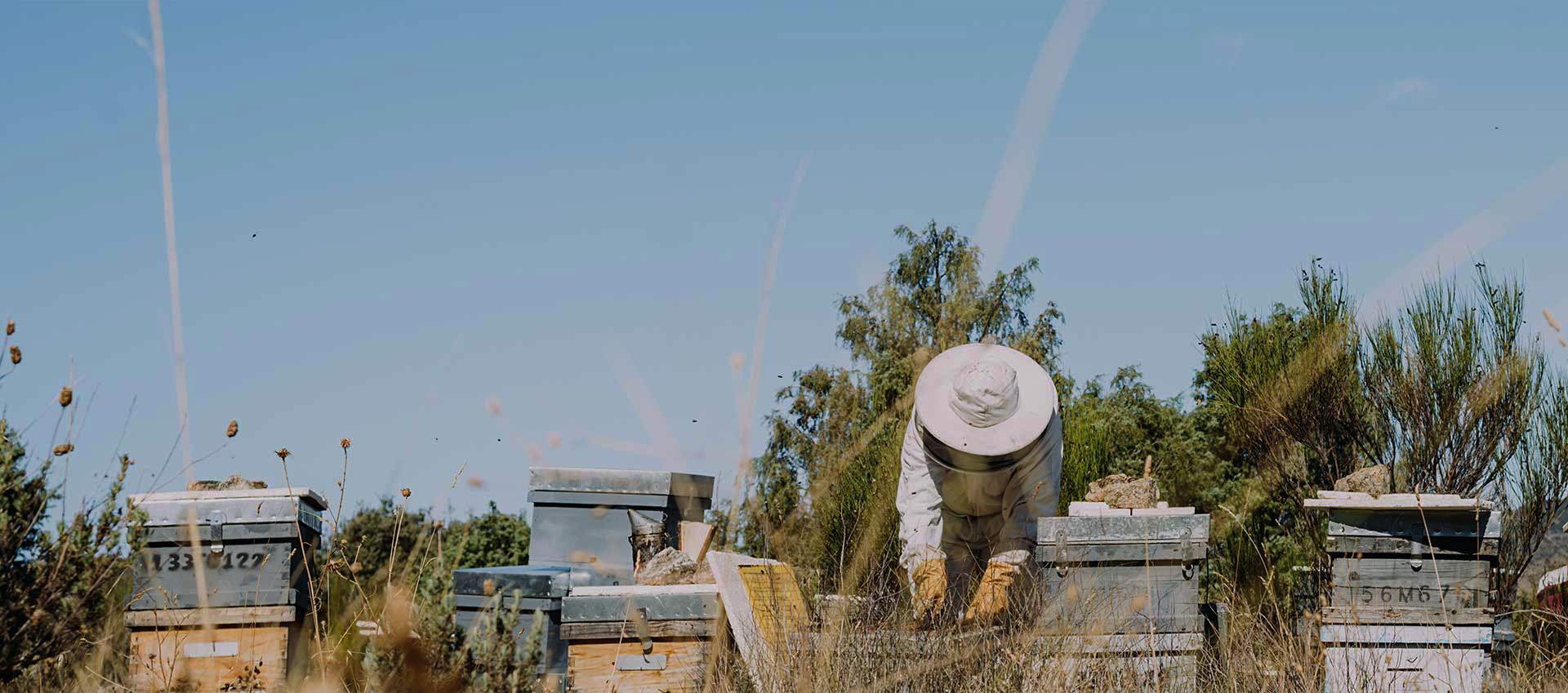
Hive Management During Heavy Rain to Protect Your Bees
Author: Hornsby Beekeeping Date Posted:19 June 2026
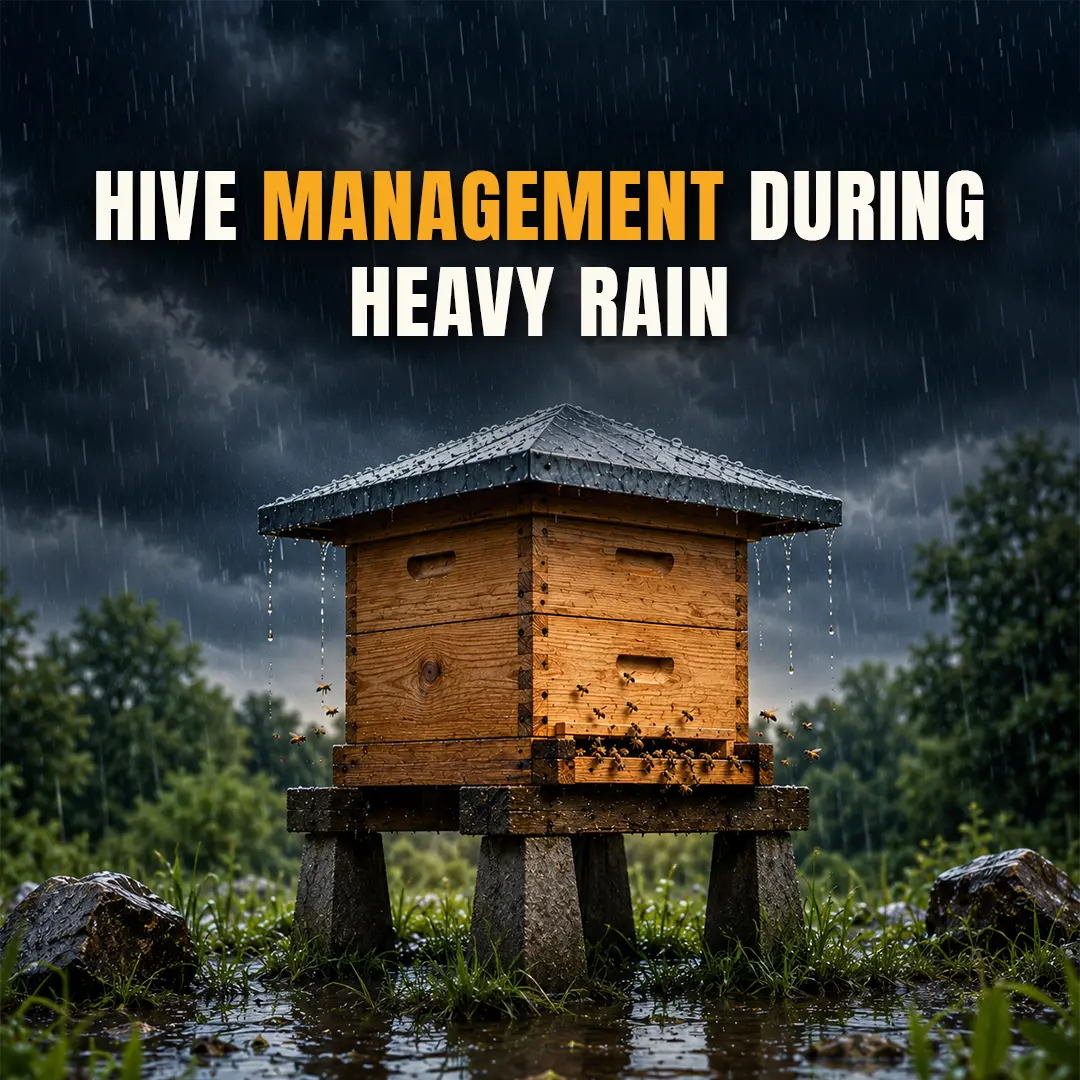
Rain is a natural part of the beekeeping season, but prolonged wet weather can create challenges for both bees and beekeepers. While honey bees are remarkably resilient, extended periods of heavy rain can affect foraging activity, food supplies, hive ventilation, and overall colony health.
Understanding how to manage your hive during rainy conditions can help reduce stress on the colony and prevent issues that may develop when bees are confined to the hive for extended periods.
This guide explains how heavy rain affects honey bee colonies and the steps beekeepers can take to protect their hives during wet weather.
How Does Heavy Rain Affect Honey Bees?
Honey bees generally avoid flying during heavy rain because wet wings make flight difficult and increase the risk of injury or death.
When rain persists for several days, bees spend more time inside the hive and are unable to collect:
-
Nectar
-
Pollen
-
Water
-
Plant resins
As a result, the colony must rely on stored food reserves until weather conditions improve.
Although a healthy colony can usually withstand short periods of rain, extended wet weather may create additional challenges.
Common Problems Caused by Heavy Rain
Reduced Foraging Activity
Foraging bees typically remain inside the hive when conditions are wet and windy.
This means:
-
Less nectar enters the hive
-
Honey production slows
-
Pollen stores may decline
-
Brood rearing can be affected
Colonies with limited food reserves are particularly vulnerable during long periods of poor weather.
Increased Moisture Inside the Hive
One of the biggest threats during heavy rain is excessive moisture.
Condensation can develop inside the hive when humid air becomes trapped.
Excess moisture may lead to:
-
Damp frames
-
Mould growth
-
Chilled brood
-
Reduced colony comfort
In many situations, moisture is more harmful to bees than cold temperatures.
Flooding Around the Hive
Poor drainage can cause water to collect around the hive stand.
Standing water may:
-
Damage equipment
-
Increase humidity
-
Encourage pests
-
Make hive inspections difficult
Flood-prone locations can become problematic during periods of prolonged rainfall.
Choose a Well-Drained Hive Location
The best defence against rain-related problems begins before the hive is even installed.
A suitable hive location should:
-
Drain water effectively
-
Receive morning sunlight
-
Be elevated above surrounding ground
-
Avoid low-lying flood-prone areas
If water regularly pools around the hive after rain, consider relocating the colony or improving drainage.
Elevate Your Hive Off the Ground
Hive stands help protect colonies from ground moisture and surface water.
Raising the hive provides several benefits:
-
Improved airflow
-
Reduced dampness
-
Better pest control
-
Protection from flooding
Many beekeepers position hives at least 20–30 centimetres above ground level.
Ensure Proper Hive Ventilation
Good ventilation becomes especially important during wet weather.
Even when bees are confined inside the hive, thousands of individuals continue producing heat and moisture.
Proper airflow helps:
-
Reduce condensation
-
Maintain healthy humidity levels
-
Prevent mould development
-
Improve colony comfort
Ventilation methods may include screened bottom boards, upper entrances, or ventilation systems designed for local conditions.
Check the Hive Roof for Leaks
A leaking hive roof can quickly create problems.
Before rainy periods arrive, inspect your equipment for:
-
Cracks
-
Warping
-
Gaps
-
Damaged joints
A watertight lid helps keep the colony dry and prevents water from entering the hive.
Avoid Unnecessary Hive Inspections
Many beginner beekeepers feel tempted to inspect their bees after every weather event.
However, opening a hive during heavy rain can:
-
Lower brood temperatures
-
Disrupt colony organisation
-
Introduce excess moisture
-
Stress the bees
Unless there is an emergency, it is usually best to postpone inspections until weather conditions improve.
Monitor Food Stores During Extended Rain
When bees cannot forage, they depend entirely on stored honey and pollen.
If rainy conditions continue for several weeks, food reserves may become depleted.
Watch for signs such as:
-
Reduced activity
-
Lightweight hive boxes
-
Limited honey stores
-
Slower brood production
In some situations, supplemental feeding may be necessary to support the colony until forage becomes available again.
Watch for Increased Pest and Disease Pressure
Wet conditions can sometimes contribute to pest and disease challenges.
Beekeepers should remain alert for:
-
Chalkbrood
-
Small hive beetles
-
Wax moth activity
-
Mould growth
-
Varroa-related stress where applicable
Healthy colonies generally cope well, but weakened colonies may require closer monitoring.
How Do Bees Survive Rainy Weather Naturally?
Honey bees have evolved several strategies to cope with poor weather.
Worker bees:
-
Cluster together for warmth
-
Consume stored honey for energy
-
Continue caring for brood
-
Regulate hive temperature
-
Manage internal humidity levels
A strong colony with adequate food stores can usually handle short periods of wet weather without difficulty.
Signs Your Colony Is Coping Well
Even after several days of rain, a healthy hive will often show:
-
Active bees at the entrance when weather clears
-
Consistent brood patterns
-
Adequate honey stores
-
No excessive moisture inside the hive
-
Normal foraging behaviour once conditions improve
These signs indicate that the colony remains strong and resilient.
Preparing for Future Rainy Seasons
Good hive management is about prevention as much as response.
Before the wet season arrives:
-
Check hive stands
-
Inspect roofs and lids
-
Improve drainage if necessary
-
Ensure proper ventilation
-
Monitor colony strength
-
Maintain adequate food reserves
Taking these steps early can help reduce problems later.
Conclusion
Heavy rain can temporarily disrupt foraging and create additional management challenges, but healthy bee colonies are well equipped to handle wet weather when provided with the right conditions. By ensuring proper hive placement, maintaining ventilation, protecting equipment from moisture, and monitoring food stores, beekeepers can help their colonies remain productive and healthy throughout rainy periods.
If you need advice on hive management, weather protection, or quality beekeeping equipment, the team at Hornsby Beekeeping Supplies is ready to assist. Contact us on +612 9477 5569 or email info@hornsby-beekeeping.com for expert support and trusted beekeeping solutions.
Frequently Asked Questions
Can honey bees fly in heavy rain?
Honey bees generally avoid flying during heavy rain because water can damage their wings and make navigation difficult. Most bees remain inside the hive until conditions improve.
Should I inspect my hive during rainy weather?
Routine inspections are usually best postponed until dry weather returns. Opening the hive during rain can disrupt brood temperatures and introduce additional moisture.
How can I stop moisture building up inside my hive?
Proper ventilation, elevated hive stands, and a well-maintained roof can help reduce condensation and improve airflow during wet conditions.
Do bees need feeding after long periods of rain?
If colonies are unable to forage for extended periods and food stores become low, supplemental feeding may be necessary to support the colony until nectar sources become available again.