


















How to Breed Queen Bees
Author: Hornsby Beekeeping Date Posted:25 February 2026
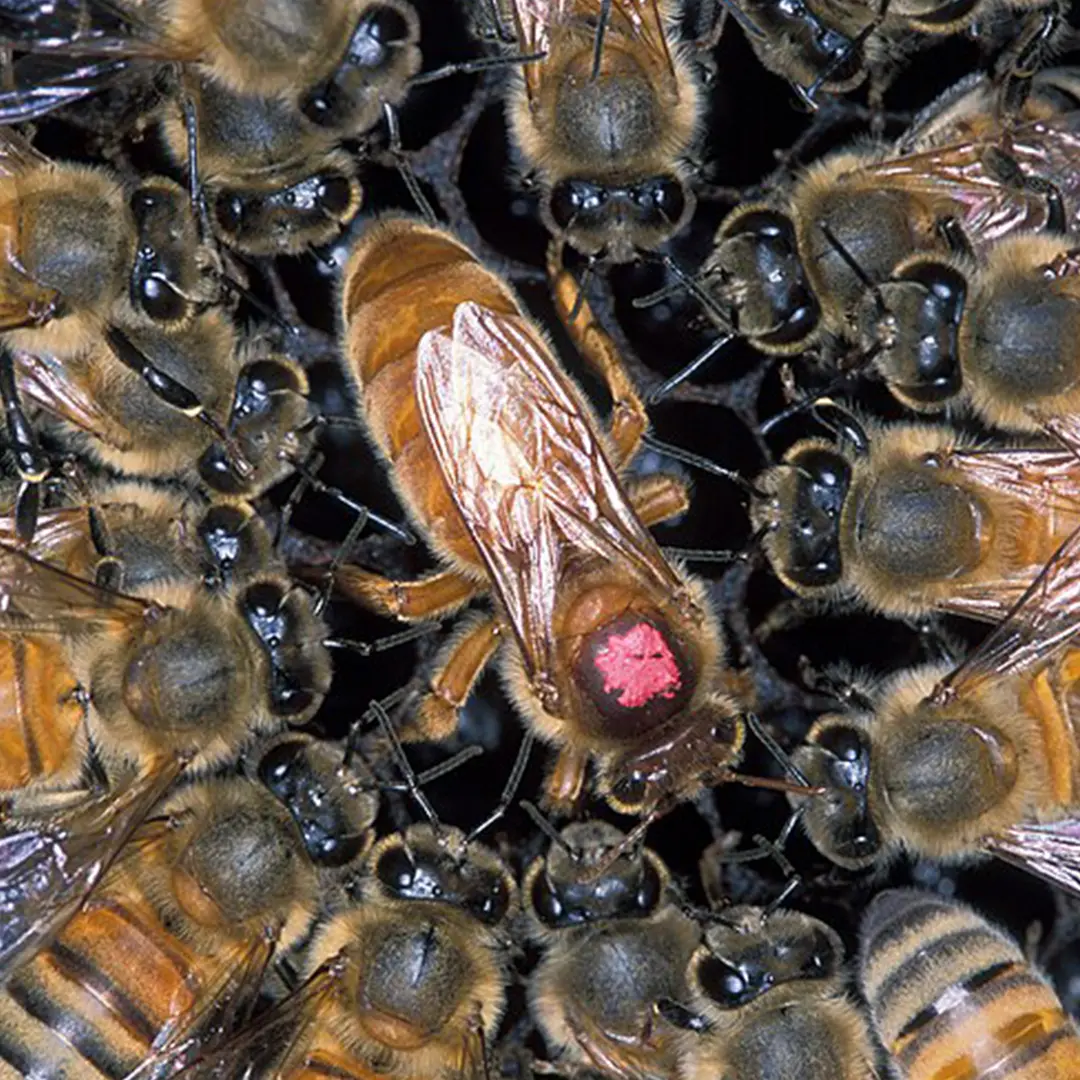
Every hive needs a strong queen. But what if you want to expand your apiary, replace an aging queen, or supply queens to other beekeepers? That’s where learning how to breed queen bees becomes valuable. While queen rearing isn’t usually recommended in your first year, it’s far more achievable than many beginners expect, especially with the right timing and healthy colonies.
In Australia, queen breeding is best done during strong nectar flow periods in spring and early summer. Colonies are naturally productive at this time, and conditions support successful mating flights. Below are practical, proven methods used by Australian beekeepers, ranging from simple to more advanced techniques.
1. Splitting a Strong Hive (The Simplest Method)
Splitting is one of the most natural ways to raise a new queen bee. When you divide a thriving colony into two parts, the queenless half recognises the absence of queen pheromones within 24 hours. As a result, worker bees begin feeding royal jelly to selected young larvae, turning them into queen cells.
To do this successfully:
- Choose a strong, healthy hive with solid brood patterns.
- Split the brood box evenly.
- Ensure the queenless side has:
- Fresh eggs (1–3 days old)
- Nurse bees
- Pollen and honey stores
Over the next few days, the bees will build emergency queen cells. One of these will hatch and ideally mate successfully.
This method is ideal if you only need one or two additional queens. It’s low-risk, requires minimal equipment, and works well in Australian conditions during peak breeding season.
2. Encouraging Swarm Cells Through Controlled Overcrowding
Bees naturally raise queens when preparing to swarm. You can carefully trigger this behaviour without losing half your colony.
To encourage swarm cells:
- Reduce hive space by removing empty frames.
- Allow the colony to feel slightly crowded.
- Monitor inspections every 2–3 days.
When preparing to swarm, bees create peanut-shaped queen cells along the frame edges. Once these are capped, you can carefully remove them and place them into queenless nucs.
However, timing is critical. If you leave the cells too long, the first emerging queen may destroy the others. Therefore, close observation is essential. After removing the cells, restore hive space to reduce swarm pressure. Many Australian beekeepers also use swarm guards to prevent accidental queen loss.
This method works well when you want several queens but prefer a more natural approach than grafting.
3. Grafting Larvae (Advanced Queen Rearing)
For beekeepers wanting multiple queens for sale or expansion, grafting offers more control. It involves transferring very young larvae from worker cells into artificial queen cups.
Although delicate, grafting allows selective breeding — meaning you can raise queens from colonies with desirable traits such as calm temperament, honey production, or disease resistance.
What You’ll Need:
- Queen cups (wax or plastic)
- A grafting tool or fine brush
- A queenless starter colony
- Mating nuc boxes
Basic Process:
- Prepare brood frames
Confine your queen to lay eggs on a specific frame so you know larval age. - Transfer 3–4 day old larvae
Carefully move each larva into a queen cup. - Place cups into queenless hive
Nurse bees begin feeding royal jelly immediately. - Move capped cells to mating nucs
Around day 14, transfer cells before queens hatch. - Monitor mating success
Within two weeks, check for fresh eggs to confirm a viable queen.
Grafting takes patience. However, once mastered, it becomes one of the most reliable ways to breed high-quality queens in Australia.
Best Time to Breed Queen Bees in Australia
Queen rearing success depends heavily on timing. In most Australian regions:
- Spring to early summer is ideal.
- Drones must be present for successful mating.
- Nectar flow should be active.
- Weather must allow mating flights.
Attempting queen breeding in late autumn or winter rarely succeeds due to limited drone populations and poor flight conditions.
How Long It Take to Raise a Queen?
From egg to emerging queen takes approximately 16 days:
- Day 1–3: Egg stage
- Day 4–8: Larva fed royal jelly
- Day 8: Queen cell capped
- Day 16: Queen emerges
Mating and egg-laying typically begin 1–2 weeks after emergence.
Is Queen Breeding Worth It?
Breeding your own queens gives you:
- Better genetic control
- Cost savings over time
- Stronger, locally adapted colonies
- Opportunity to sell queens
However, it requires observation skills and consistency. Many Australian hobbyists begin with splits before moving into grafting.
Final Thoughts
Learning how to breed queen bees may sound advanced, but it’s a logical next step once you understand hive behaviour. Whether you split colonies or try grafting, the key is strong stock, good timing, and patience.
Start simple. Observe closely. Improve with each season.
Queen rearing isn’t just about increasing hive numbers, it’s about building stronger, more resilient colonies suited to Australian conditions.
FAQs
1. When is the best time to breed queen bees in Australia?
Spring and early summer are ideal, when nectar flow is strong and drones are available for mating.
2. How long does it take to raise a queen bee?
It takes about 16 days from egg to emergence, plus another 1–2 weeks before she begins laying.
3. Can beginner beekeepers breed queens?
Yes, but it’s best to start with hive splits before attempting grafting or large-scale queen production.