

















How to Expand Your Apiary: When to Add More Hives
Author: Hornsby Beekeeping Date Posted:30 June 2026
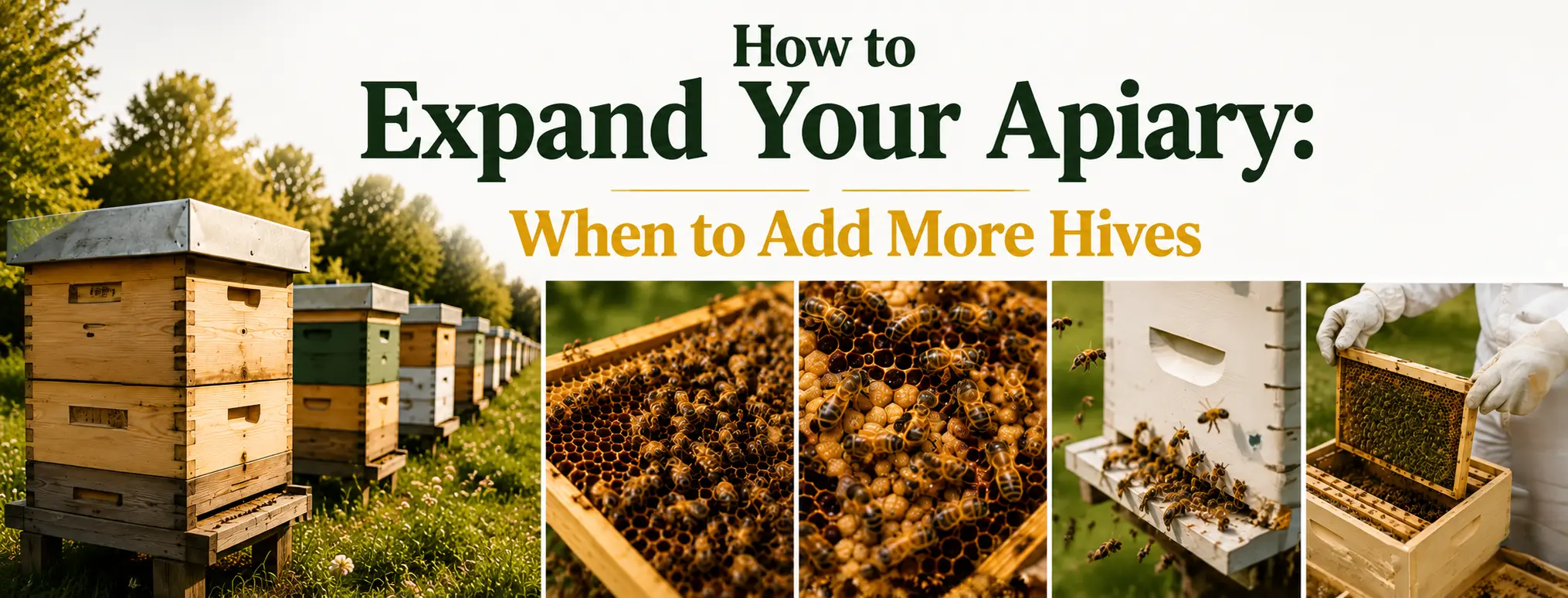
Expanding your apiary can be an exciting step in beekeeping. Once you have gained confidence with one or two hives, adding more colonies can help you increase honey production, improve pollination, raise queens, make splits and build a more resilient beekeeping setup. However, more hives also mean more responsibility.
A larger apiary requires more time, equipment, inspections, record keeping and pest management. If you expand too quickly, small problems can become harder to control. A weak queen, poor food stores, small hive beetle, Varroa mite pressure or lack of space can become more serious when you are managing several colonies instead of one.
For Australian beekeepers, apiary expansion should be planned carefully around local forage, climate, biosecurity rules, hive strength and your own capacity. This guide explains when to add more hives, how to expand safely and what to consider before growing your beekeeping operation.
Why Beekeepers Expand Their Apiary
Beekeepers expand for different reasons. Some want more honey, while others want stronger pollination support for gardens, orchards or small farms. Some expand because they enjoy beekeeping and want to build their skills, while others are preparing for a small commercial operation.
Adding more hives can also make hive management easier in some ways. With more than one colony, you can compare hive strength, transfer resources between healthy hives when appropriate, make splits and recover more easily if one colony fails. However, these benefits only work when the beekeeper has enough time and knowledge to manage the extra responsibility.
Common reasons to expand include:
-
Increasing honey production
-
Supporting better pollination
-
Creating nucleus colonies
-
Requeening and queen raising
-
Making controlled hive splits
-
Replacing winter losses
-
Building a small beekeeping business
-
Learning more advanced hive management
-
Reducing reliance on one single colony
Expansion should be based on readiness, not only enthusiasm. A well-managed small apiary is better than a larger apiary that becomes difficult to control.
Signs You Are Ready to Add More Hives
Before adding more hives, look honestly at your current beekeeping routine. If your existing colonies are healthy, your inspections are consistent and you understand seasonal hive management, you may be ready to expand.
A good sign is that you can confidently identify eggs, larvae, capped brood, queen cells, honey stores, pollen stores and common pest signs. You should also understand when a colony is queen-right, when it is weak, and when it needs more space or less space.
You may be ready to expand if:
-
Your current hives are strong and healthy
-
You inspect regularly and keep records
-
You can identify common brood and queen issues
-
You understand swarm prevention basics
-
You have enough spare equipment ready
-
You know your local nectar and pollen flow
-
You can manage pests and diseases responsibly
-
You have enough time for extra inspections
-
You understand local registration and movement requirements
-
Your current apiary site has enough forage and space
If you are still struggling to manage one hive, it is better to improve your skills before adding more colonies.
When You Should Wait Before Expanding
Expanding at the wrong time can create avoidable problems. If your current colonies are weak, queenless, short of food or affected by pests, adding more hives may stretch your resources and attention even further.
It is also wise to wait if you do not have enough equipment. Beekeeping seasons can move quickly, and a strong colony may need extra boxes, frames or swarm control equipment with little warning. If you add hives without spare gear, you may find yourself reacting too late.
You should wait before expanding if:
-
Your current hive has a failing queen
-
You are unsure how to inspect brood properly
-
You have ongoing pest or disease issues
-
Your current colonies are short of food
-
You do not have spare boxes, frames or lids
-
You cannot inspect regularly
-
Your site has limited forage
-
You are unsure about local beekeeping rules
-
You are expanding only because bees are available
A stable foundation is important. The best time to grow your apiary is when your current management is already under control.
Best Time to Add More Hives in Australia
The best time to add more hives depends on your region, climate and colony strength. In many parts of Australia, spring is a common time for expansion because colonies are building up, nectar and pollen may be available, and swarm season creates opportunities for splits or nucleus colonies.
However, spring can also be busy and challenging. Colonies may swarm if they are not managed properly, and new beekeepers may feel overwhelmed. For this reason, expansion should be planned before spring arrives, not during a last-minute rush.
Early autumn can also be suitable in some regions if conditions are mild and there is enough time for colonies to become established before winter. However, late autumn or winter expansion is usually more difficult in cooler areas because colonies may not build quickly.
In general, expand when:
-
Weather is suitable for hive inspections
-
Nectar and pollen are available
-
Colonies are strong enough to split or support growth
-
Queens or nucleus colonies are available
-
You have enough equipment prepared
-
There is enough time for new hives to establish before stressful seasons
Always adjust timing to your local Australian conditions. A beekeeper in Queensland may work with a different seasonal rhythm from a beekeeper in Victoria, Tasmania or inland New South Wales.
How Many Hives Should You Add at Once?
It is usually better to expand gradually. Moving from one hive to two or three is manageable for many hobby beekeepers. Jumping from two hives to ten without enough experience can quickly become stressful.
Each new hive adds inspections, equipment needs, feeding decisions, pest monitoring and record keeping. During spring, this workload can increase quickly because colonies may need swarm control, extra space and regular checks.
A sensible expansion plan might look like this:
-
Beginner stage: 1 to 2 hives
-
Growing hobby stage: 3 to 5 hives
-
Serious hobby stage: 6 to 10 hives
-
Semi-commercial stage: 10+ hives with stronger systems and records
The right number depends on your time, space, budget and goals. More hives can bring more rewards, but they also leave less room for neglect.
Main Ways to Expand an Apiary
There are several ways to add more hives. Each method has advantages and risks, so choose the option that matches your experience level and local conditions.
Buying a Nucleus Colony
A nucleus colony, often called a nuc, is one of the easiest ways to expand. It usually includes a laying queen, bees, brood and food stores on a small number of frames. Because the colony is already established, it can build into a full hive when managed properly.
This is a good option for beginners who want a controlled start. However, buy from a trusted supplier and check that the colony is healthy, queen-right and suitable for your area.
Splitting a Strong Hive
A split involves dividing a strong colony into two colonies. This can help prevent swarming and create a new hive from bees you already own. It can be a cost-effective expansion method, but it requires good timing and colony assessment.
A hive should only be split when it is strong enough. Splitting a weak colony can create two weak colonies instead of one strong hive.
Catching a Swarm
Catching a swarm can add bees to your apiary, but it carries more uncertainty. Swarms may have unknown genetics, unknown age queens and possible pest or disease risks. They should be inspected and monitored carefully before being placed near established hives.
Swarm collection is best done with proper protective gear, a nucleus box or swarm box, and good biosecurity awareness.
Buying Full-Size Hives
Buying full-size hives can expand an apiary quickly, but it requires careful inspection. Used hives and equipment may carry pests, diseases or old comb problems. This option is better for beekeepers who know how to assess hive health before purchase.
Equipment You Need Before Adding More Hives
Do not wait until the new bees arrive before buying equipment. Expansion works best when all gear is ready in advance. This helps avoid stress and prevents delays when colonies need attention.
Before adding more hives, prepare:
-
Complete hive boxes
-
Frames and foundation
-
Hive lids and bases
-
Queen excluders if needed
-
Feeders
-
Hive stands
-
Entrance reducers
-
Spare brood boxes and supers
-
Nucleus boxes
-
Protective clothing
-
Smoker and hive tools
-
Pest monitoring equipment
-
Record-keeping system
You should also keep extra frames and boxes available. New colonies can grow quickly when conditions are good, and strong hives may need more room during nectar flow.
Choosing the Right Apiary Site
A good apiary site is one of the most important parts of expansion. More hives need more forage, more space and better access. If the site cannot support extra colonies, honey production may drop and colonies may compete for limited nectar and pollen.
A suitable site should have good bee forage, safe access, water nearby and enough space between hives for inspections. It should also be away from areas where bee flight paths may disturb neighbours, pets or public spaces.
Look for a site with:
-
Reliable nectar and pollen sources
-
Clean water nearby
-
Morning sun where possible
-
Some wind protection
-
Good drainage
-
Safe vehicle or walking access
-
Space to work around each hive
-
Low risk of flooding
-
Consideration for neighbours
-
Permission from the landowner if not your property
In hot regions, some afternoon shade may help reduce summer heat stress. In damp areas, avoid placing hives in shaded, poorly ventilated corners.
Avoid Overstocking One Location
One mistake beekeepers make is placing too many hives in one location. More hives do not always mean more honey. If forage is limited, adding extra colonies may reduce honey production per hive and increase stress during nectar gaps.
Overstocking can also increase robbing pressure and make pest management harder. If colonies are competing heavily, weaker hives may struggle to build up.
Before adding more hives to one site, consider:
-
How much flowering forage is available?
-
Are nearby beekeepers also using the area?
-
Do your current hives produce well at the site?
-
Is there enough pollen during brood build-up?
-
Is there enough nectar during honey flow?
-
Can you provide water without causing neighbour issues?
If forage is limited, it may be better to create another apiary site rather than crowding too many colonies together.
Biosecurity and Legal Responsibilities
Apiary expansion must include biosecurity planning. More hives mean more equipment, more hive movements and more chances for pests or diseases to spread. Australian beekeepers should follow their state or territory rules for registration, hive movement, record keeping and disease reporting.
Good biosecurity is especially important when buying bees, collecting swarms or moving used equipment. Never assume a colony is healthy simply because bees are flying. Inspect brood, check pest levels and keep records of where bees and equipment came from.
Good expansion biosecurity includes:
-
Registering as required in your state or territory
-
Keeping accurate hive records
-
Inspecting hives for pests and disease
-
Monitoring for Varroa mite where required
-
Cleaning tools between suspect hives
-
Avoiding movement of diseased equipment
-
Checking rules before moving hives interstate
-
Quarantining unknown swarms where practical
-
Buying bees from trusted suppliers
Biosecurity protects your apiary and nearby beekeepers. It should be built into expansion from the start.
How to Manage Records as Your Apiary Grows
Record keeping becomes much more important as hive numbers increase. With one hive, you may remember what happened during the last inspection. With five or ten hives, it becomes easy to forget queen status, feeding, pest checks or brood issues.
A simple hive record should include:
-
Hive number or name
-
Inspection date
-
Queen status
-
Brood pattern
-
Food stores
-
Pest and disease observations
-
Treatments or monitoring results
-
Feeding notes
-
Equipment changes
-
Swarm cells or queen cells
-
Follow-up tasks
Records do not need to be complicated. A notebook, spreadsheet or beekeeping app can work well as long as you use it consistently.
Managing Time and Workload
More hives require more time. A single inspection may not take long, but several hives can turn into a full morning or afternoon of work. During spring, inspections may need to be more frequent, especially if swarm risk is high.
Before expanding, ask yourself whether you can realistically manage the extra workload. If you already struggle to inspect your current hive, adding more colonies may make things worse.
Think about time for:
-
Regular inspections
-
Swarm management
-
Feeding when needed
-
Pest monitoring
-
Honey harvesting
-
Equipment cleaning
-
Record keeping
-
Travel to apiary sites
-
Repairs and maintenance
Good beekeeping is easier when your hive numbers match your available time.
Common Mistakes When Expanding an Apiary
Apiary expansion is rewarding, but it can create problems if done too quickly. Many mistakes come from adding bees before the beekeeper has enough equipment, knowledge or site capacity.
Common mistakes include:
-
Expanding before current hives are healthy
-
Splitting weak colonies
-
Buying bees without checking health
-
Ignoring local registration rules
-
Adding too many hives to one site
-
Not preparing spare equipment
-
Poor record keeping
-
Moving hives without checking biosecurity rules
-
Underestimating spring workload
-
Forgetting to monitor pests in new colonies
Avoiding these mistakes helps your apiary grow in a controlled and sustainable way.
Apiary Expansion Checklist
Use this checklist before adding more hives:
-
Current hives are strong and healthy
-
You can identify queen, brood and pest issues
-
You have enough spare equipment
-
New hive site has forage, water and space
-
You understand local registration requirements
-
You have a record-keeping system
-
You know how you will source new bees
-
You have a plan for swarm control
-
You can inspect regularly
-
You have pest monitoring tools ready
-
You have considered neighbours and hive placement
-
You have checked movement rules if buying or moving bees
If most of these points are not in place, delay expansion until you are better prepared.
Final Thoughts
Expanding your apiary is a positive step when it is done with planning and care. More hives can mean more honey, better pollination, stronger learning opportunities and more flexibility in hive management. However, expansion should be based on strong existing colonies, enough equipment, suitable sites and good biosecurity.
For Australian beekeepers, the safest approach is to grow gradually. Add hives when your current colonies are healthy, your records are organised and your apiary site can support more bees. With the right timing and preparation, apiary expansion can be rewarding, manageable and sustainable.
If you need swarm collection equipment, nucleus boxes, protective clothing, or expert beekeeping advice, Hornsby Beekeeping Supplies is here to help. Contact our experienced team on 02 9477 5569 or email info@hornsby-beekeeping.com for trusted products and practical beekeeping support across Australia.
FAQs
When should I add more hives to my apiary?
Add more hives when your current colonies are healthy, you can inspect confidently, you have enough equipment and your apiary site has enough forage and space. Spring is a common time in many Australian regions, but timing depends on local conditions.
How many hives should a beginner beekeeper have?
Many beginners start with one or two hives. Two hives can be useful because you can compare colony strength and transfer resources between healthy hives when needed.
Is it better to buy a nuc or split a hive?
Buying a nucleus colony is often easier for beginners because it comes with an established queen and brood. Splitting a hive is useful when you already have a strong colony and understand queen and brood management.
Can I keep several hives in one backyard?
It depends on space, forage, neighbours, local rules and your ability to manage bee flight paths. Avoid crowding too many hives into a small area if forage is limited or neighbours may be affected.
What equipment do I need before expanding?
You should have complete hive boxes, frames, lids, bases, hive stands, feeders, spare supers, nucleus boxes, protective clothing, pest monitoring tools and a record-keeping system.
Can I expand my apiary by catching swarms?
Yes, but swarms should be handled carefully. They may carry unknown genetics, queen age, pests or diseases, so they should be inspected and monitored before being placed near established colonies.
Do I need to register more hives in Australia?
Beekeeping registration and requirements vary by state or territory. Check your local rules before expanding, moving hives or buying bees.
How do I avoid overstocking an apiary site?
Watch hive performance, forage availability and honey production. If adding more hives reduces colony strength or honey yield, the site may not support extra colonies.
What is the biggest mistake when expanding an apiary?
The biggest mistake is expanding before you are ready. Adding more hives without strong current colonies, spare equipment, records and biosecurity planning can create avoidable problems.
How can I keep a growing apiary organised?
Number your hives, keep inspection records, prepare spare equipment, schedule regular checks and track queen status, food stores, pest checks and hive changes.