


















How to Find the Queen Bee in Your Hive (Without Stress)
Author: Hornsby Beekeeping Date Posted:25 February 2026
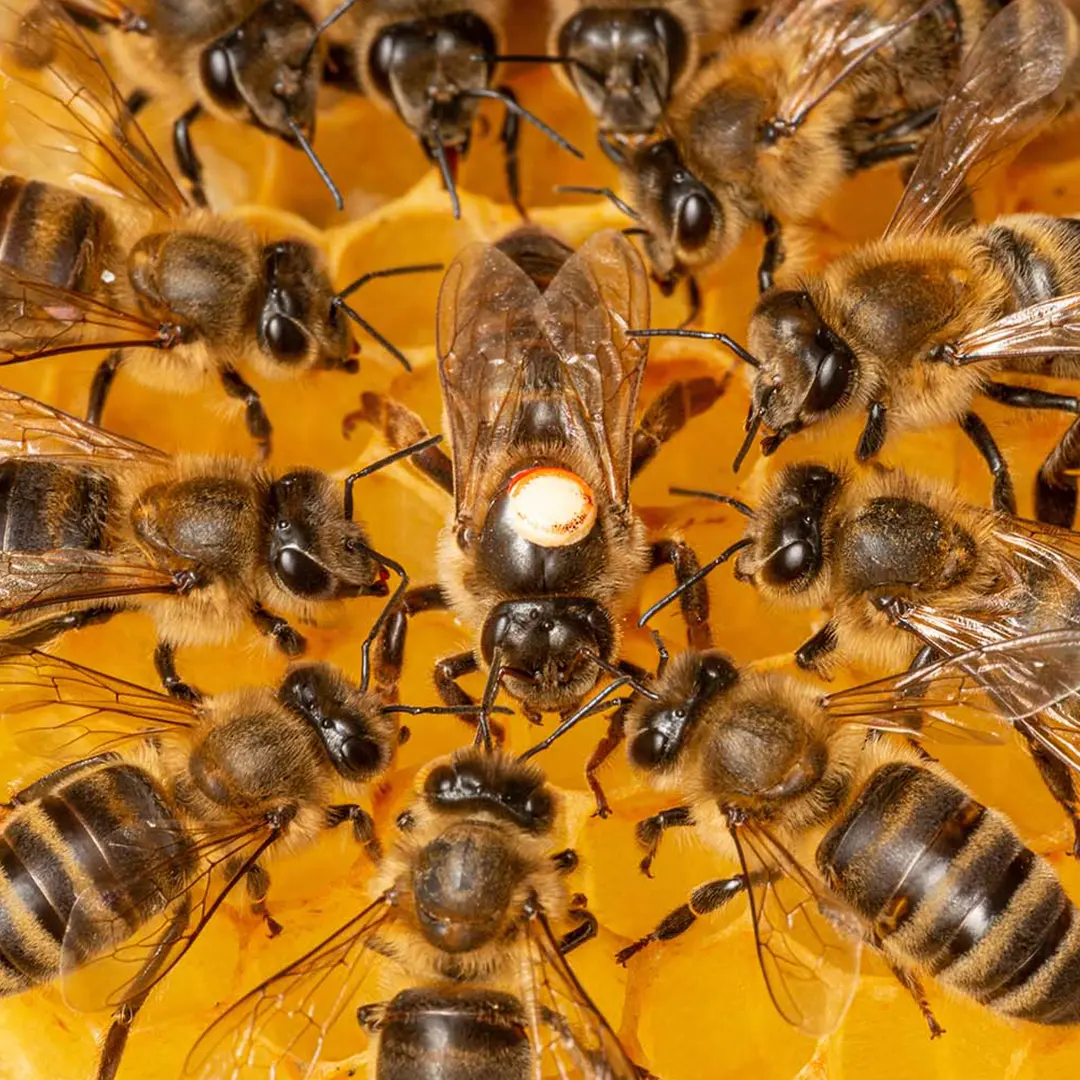
Non-beekeepers often imagine that finding the queen bee must be easy. After all, she’s the “queen,” so surely she must stand out. However, once you open a hive and see tens of thousands of moving bees, reality feels very different. The queen does look slightly different from worker bees, but she does not wear a crown, and she certainly does not announce herself. Therefore, learning how to identify her takes patience, observation, and practice.
If you are new to beekeeping, finding the queen bee is one of the most important skills you can develop. The queen is the heart of the colony. She lays the eggs, maintains population strength, and keeps the hive stable. If she goes missing or stops laying properly, the colony can weaken quickly. So, regular checks are essential to ensure your hive remains healthy and productive.
Why Finding the Queen Bee Matters
Before diving into identification tips, it helps to understand why locating the queen is so important. During hive inspections, you are not just checking honey stores or brood patterns. You are confirming that your queen is present and laying eggs as she should.
If a queen disappears and it goes unnoticed, the colony may struggle to raise a replacement. As a result, brood production drops, worker numbers decline, and the hive may eventually fail. Therefore, being confident in spotting the queen gives you control and peace of mind as a beekeeper.
Distinctive Features of a Queen Bee
Although the queen is not dramatically larger than worker bees, she does have noticeable physical differences. When you know what to look for, these features become much easier to recognise.
Look for the following characteristics:
- Long, narrow abdomen: The queen’s abdomen is longer and more pointed than that of worker bees, whose abdomens are rounder.
- Shorter wings: Her wings reach only about halfway down her abdomen, unlike workers whose wings nearly cover their entire body.
- Splayed legs: The queen’s legs are longer and often extend slightly outward rather than tucked underneath.
- Smooth stinger: Unlike worker bees, the queen has a smooth stinger that can be used multiple times.
- Shiny thorax: Her back appears smoother and shinier because she has fewer hairs than worker bees.
At first, these differences may seem subtle. However, once you train your eye, they become much easier to spot during hive inspections.
Queen Bee Behaviour: What to Watch For
Physical traits are helpful, but behaviour often gives the strongest clues when finding the queen bee. Worker bees are constantly busy, moving quickly across the comb. In contrast, the queen tends to move more deliberately.
When she pauses, you may notice a circle of worker bees surrounding her. These attendants face toward her, forming what beekeepers call a “retinue.” Moreover, as she moves across the frame, other bees often step aside, creating a small clearing around her. This break in the usual busy pattern can quickly draw your attention.
Therefore, instead of scanning randomly, watch for changes in movement and clustering. Often, the bees themselves lead you straight to their queen.
Where to Look Inside the Hive
The queen’s primary role is egg-laying. So naturally, she spends most of her time on brood frames. If you are trying to find her, skip the honey frames first and head directly to the brood nest.
Start by checking:
- Fresh brood frames with newly laid eggs
- The centre of the hive, especially in vertical box systems
- The middle section of horizontal hives
Queens are typically found toward the centre of the colony, as this area provides protection and warmth. However, if the hive has been disturbed, she may move toward edges or corners. So if you cannot find her immediately, examine each brood frame carefully before giving up.
Marked vs Unmarked Queens
Many purchased queens come with a small coloured dot on their thorax. This marking makes finding the queen bee much easier, especially for beginners. Moreover, the colour is not random, it follows an international system that indicates the queen’s birth year.
The five-colour rotation system is:
- White: Years ending in 1 or 6
- Yellow: Years ending in 2 or 7
- Red: Years ending in 3 or 8
- Green: Years ending in 4 or 9
- Blue: Years ending in 5 or 0
Because queens typically live up to five years, the colour cycle repeats. This system helps you track your queen’s age and plan requeening at the appropriate time.
Even if your colony raises its own unmarked queen, you can mark her later using a small paint pen designed for queen bees. Just ensure the dot is small and completely dry before returning her to the hive.
Practice Makes Perfect
At first, finding the queen bee may feel overwhelming. Thousands of bees moving across the frames can make everything look the same. However, with regular inspections, your confidence will grow.
Over time, you will begin noticing subtle patterns, how bees cluster, how movement shifts, and how the brood nest is organised. And before long, you will be spotting your queen within seconds of lifting a frame.
Frequently Asked Questions
1. Why is finding the queen bee important?
Finding the queen confirms that your colony is healthy and laying eggs properly. Without a queen, the hive population will decline.
2. What is the easiest way to find the queen bee?
Start with fresh brood frames in the centre of the hive and look for a long abdomen, shiny thorax, and a circle of worker bees around her.
3. What if I cannot find my queen?
If you see fresh eggs, your queen is present. Close the hive and check again later rather than disturbing the colony excessively.