


















How to Prevent Swarming in Spring: A Complete Beekeeper's Guide
Author: Hornsby Beekeeping Date Posted:22 June 2026
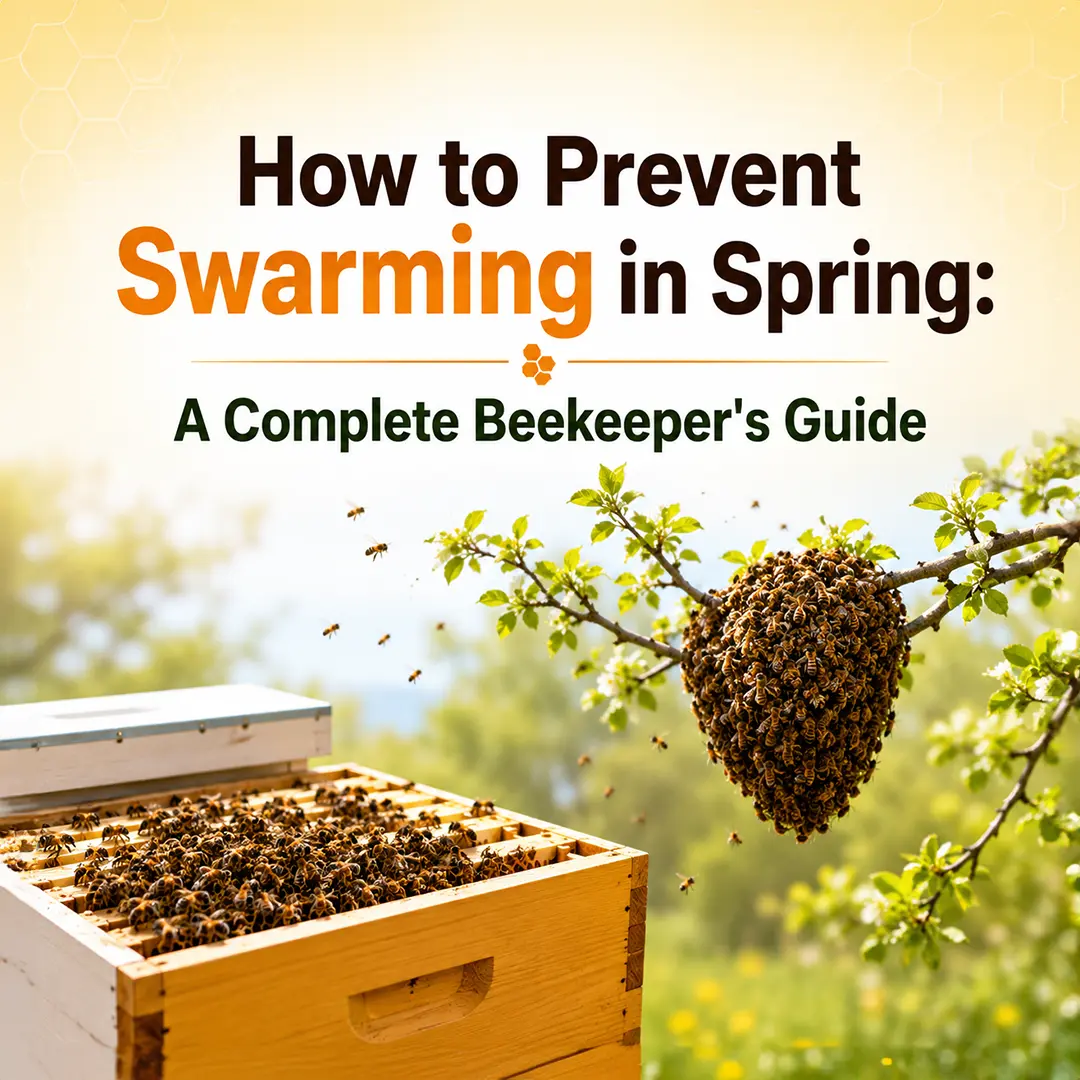
Spring is one of the busiest and most exciting times of the year for beekeepers. As temperatures rise and flowers begin to bloom, honey bee colonies rapidly expand. While this increased activity is a positive sign of a healthy hive, it also brings one of the biggest challenges in beekeeping: swarming.
Swarming is a natural reproductive process in which a colony divides, with a large group of bees leaving the hive alongside the old queen to establish a new colony. Although swarming is perfectly normal for bees, it can significantly reduce honey production and weaken the original hive.
Understanding why colonies swarm and taking preventative action early can help you maintain strong, productive colonies throughout the season.
How Do You Prevent Bees From Swarming?
The most effective ways to prevent swarming include:
-
Regular hive inspections during spring
-
Providing additional space before the hive becomes crowded
-
Replacing older queens
-
Managing brood levels
-
Removing swarm cells when appropriate
-
Splitting strong colonies before they swarm
Combining these management practices greatly reduces the likelihood of losing bees during spring.
What Is Swarming in Beekeeping?
Swarming is the natural method honey bee colonies use to reproduce at the colony level.
When conditions are favourable, the existing queen leaves the hive with approximately half of the worker bees. The remaining bees stay behind and raise a new queen.
Although swarming ensures the survival and expansion of honey bee populations in the wild, it can create several challenges for beekeepers, including:
-
Reduced honey production
-
Loss of valuable worker bees
-
Increased risk of losing the swarm permanently
-
Weakened parent colonies
-
Delayed honey harvesting
For these reasons, most beekeepers actively manage their colonies to minimise swarming.
Why Do Bees Swarm in Spring?
Spring provides ideal conditions for colony growth.
Increasing daylight hours, abundant nectar flows, and warmer temperatures stimulate the queen to lay more eggs. As the population expands, colonies can quickly outgrow their available space.
Several factors commonly trigger swarming.
Overcrowding
A congested hive is one of the leading causes of swarming.
When too many bees occupy the hive, worker bees begin preparing to divide the colony.
Signs of overcrowding include:
-
Frames fully covered with bees
-
Limited empty brood cells
-
Bees clustering outside the entrance
-
Excessive bearding during mild weather
Lack of Space for Brood and Honey
Colonies require sufficient room for both brood rearing and honey storage.
If nectar fills brood cells and honey supers become crowded, the queen may run out of places to lay eggs. This often triggers swarm preparation.
Age of the Queen
Older queens produce lower levels of queen pheromones.
As these pheromones decline, workers may interpret this as a sign that the colony needs a new queen, increasing the likelihood of swarming.
Many beekeepers replace queens every one to two years to help reduce swarm tendencies.
Strong Nectar Flows
Heavy nectar flows encourage rapid population growth.
Without enough space, colonies can become congested within days during peak flowering periods.
10 Warning Signs That Your Hive May Swarm
Recognising early warning signs allows beekeepers to intervene before the colony leaves.
1. Presence of Queen Cells
Queen cells are one of the clearest indicators that swarming preparations have begun.
Swarm cells are usually found along the bottom or edges of brood frames.
2. Reduced Egg Laying
As swarming approaches, the queen often reduces egg production to prepare for flight.
3. Congested Brood Nest
A brood nest packed with nectar, pollen, and brood leaves little space for additional egg laying.
4. Heavy Bearding
Large clusters of bees hanging outside the hive during moderate weather may indicate overcrowding.
5. Increased Drone Production
Colonies preparing to swarm often raise additional drones to support future queen mating.
6. Large Colony Population
Strong colonies with rapidly expanding populations are more likely to swarm.
7. Backfilled Brood Frames
Workers may fill empty brood cells with nectar instead of leaving them available for the queen.
8. Reduced Queen Pheromone Distribution
As colony populations increase, queen pheromones become less evenly distributed throughout the hive.
9. Multiple Swarm Cells
Finding numerous capped swarm cells usually indicates that swarming is imminent.
10. Change in Colony Behaviour
Colonies preparing to swarm often become restless and unusually active.
How to Prevent Swarming in Spring
Successful swarm prevention starts well before colonies begin preparing to leave.
Perform Regular Hive Inspections
Frequent inspections are essential during spring.
Inspect colonies every 7 to 10 days during periods of rapid growth.
During inspections, check for:
-
Queen cells
-
Brood pattern quality
-
Available space
-
Honey stores
-
Colony population
Regular inspections help identify problems before swarming occurs.
Add Extra Space Early
One of the simplest swarm prevention strategies is providing additional space before it becomes necessary.
Add honey supers before existing boxes become completely full.
Waiting too long can lead to congestion and trigger swarming behaviour.
Many experienced beekeepers follow the rule of adding another super when the current super is approximately 70% occupied.
Reverse Brood Boxes When Appropriate
In some hive configurations, reversing brood boxes can encourage colony expansion and relieve congestion.
This practice involves swapping the positions of upper and lower brood boxes once the colony has established itself strongly in spring.
However, timing is important, and this technique should only be used when weather conditions are suitable.
Replace Older Queens
Young queens generally produce stronger pheromones and are less likely to swarm.
Requeening every one to two years can significantly reduce swarming behaviour while improving colony performance.
Benefits of young queens include:
-
Stronger brood patterns
-
Improved colony temperament
-
Higher productivity
-
Reduced swarm tendency
Split Strong Colonies
Creating an artificial swarm or colony split is one of the most reliable swarm prevention techniques.
A split involves dividing a strong colony into two separate hives.
This method:
-
Relieves overcrowding
-
Reduces population pressure
-
Creates additional colonies
-
Minimises swarm risk
Many beekeepers routinely split strong colonies during spring as part of their management program.
Manage Swarm Cells Carefully
Finding swarm cells does not always mean a colony will swarm immediately.
Management options include:
-
Removing swarm cells
-
Splitting the colony
-
Requeening
-
Allowing a controlled swarm process
Simply destroying swarm cells without addressing overcrowding often provides only temporary results.
Improve Hive Ventilation
Poor ventilation can contribute to congestion, particularly during warm spring weather.
Adequate airflow helps regulate hive temperature and may reduce excessive bearding.
Consider:
-
Screened bottom boards
-
Upper entrances
-
Additional ventilation where appropriate
Ensure Colonies Have Enough Drawn Comb
Colonies can expand more rapidly when a drawn comb is available.
Providing empty drawn frames allows queens to continue laying without delay.
If a drawn comb is unavailable, adding foundation can still provide additional space.
Should You Always Prevent Swarming?
While most beekeepers aim to prevent swarming, some choose to allow controlled swarming as part of natural beekeeping practices.
However, unmanaged swarming may result in:
-
Lost bees
-
Reduced honey crops
-
Weaker colonies
-
Increased management challenges
For backyard and commercial beekeepers alike, proactive swarm management usually delivers better outcomes.
Common Swarm Prevention Mistakes
Avoid these common mistakes during spring:
-
Inspecting colonies too infrequently
-
Adding supers too late
-
Ignoring swarm cells
-
Keeping aging queens for too long
-
Failing to split overcrowded colonies
-
Opening hives excessively during poor weather
Early intervention is always easier than recovering a lost swarm.
Conclusion
Swarming is a natural part of honey bee biology, but careful spring management can greatly reduce the likelihood of losing bees. Regular inspections, providing sufficient space, maintaining young queens, and splitting strong colonies are among the most effective ways to prevent swarming and maintain productive hives.
If you need advice on swarm prevention, hive management, or quality beekeeping equipment, the team at Hornsby Beekeeping Supplies is here to help. Contact us on +612 9477 5569 or email info@hornsby-beekeeping.com for expert guidance and trusted beekeeping supplies.
Frequently Asked Questions
What month do honey bees usually swarm?
In Australia, swarming most commonly occurs during spring and early summer when nectar flows are abundant and colony populations increase rapidly.
How often should I inspect my hive during swarm season?
During spring, hives should generally be inspected every 7 to 10 days to identify swarm cells and monitor colony growth.
Will removing queen cells stop swarming?
Removing queen cells alone may not prevent swarming if overcrowding and congestion remain unresolved. Additional management practices are usually necessary.
Does adding a honey super prevent swarming?
Providing extra space can reduce congestion and lower swarm risk, but it should be combined with regular inspections and other swarm prevention strategies.
Are young queens less likely to swarm?
Yes. Colonies headed by younger queens typically show reduced swarming tendencies because they produce stronger queen pheromones and maintain more consistent brood patterns.