

















Bee Spray: Prevention and Treatment Guide for Beekeepers
Author: Hornsby Beekeeping Date Posted:13 July 2026
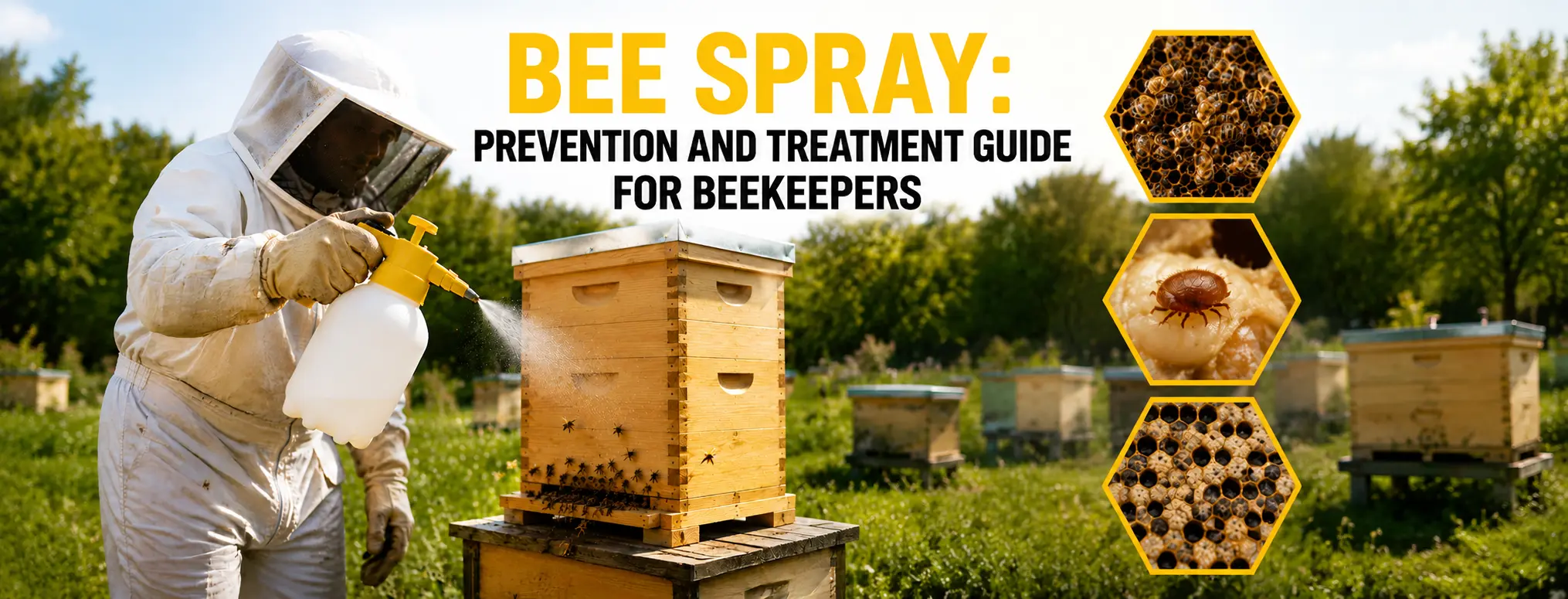
Bee spray is a broad term in beekeeping, and it can mean different things depending on the situation. Some beekeepers use a light sugar-water spray to gently settle bees during handling, while others may think of sprays for pest or disease control. However, these are very different uses, and they should not be confused.
For Australian beekeepers, the most important rule is safety. Bees should never be exposed to random household insect sprays, garden chemicals or unapproved treatments inside the hive. A spray bottle can be useful during some beekeeping tasks, but pest and disease management must always be handled with proper hive practices and approved products.
Therefore, bee spray should be used carefully, sparingly and only for the right purpose.
What Does Bee Spray Mean in Beekeeping?
In practical beekeeping, bee spray often refers to a simple spray bottle filled with light sugar water or clean water. It may be used to lightly mist bees during package installation, swarm handling or gentle colony transfer. The aim is not to harm bees, but to help reduce flying and keep them calmer for a short time.
However, bee spray can also be misunderstood as a chemical pest spray. This is where beekeepers need to be careful. Products designed to kill insects can also harm honey bees, contaminate equipment or affect honey safety.
In short, bee spray may refer to:
-
Light sugar-water mist for handling bees
-
Clean water mist in limited situations
-
Approved hive treatments only when label directions allow
-
Spray equipment used for careful application
It should not mean using general pesticides inside or around a hive.
When Bee Spray May Be Useful
Bee spray may be useful during certain handling tasks, especially when installing package bees or moving bees into a hive. A light mist can encourage bees to cluster and reduce flying. As a result, the beekeeper may be able to work more calmly and safely.
It may also help during very specific situations where bees are being transferred gently. However, it should not replace smoke, proper timing, protective clothing or calm handling.
Bee spray may be considered when:
-
Installing package bees
-
Settling bees during gentle transfer
-
Handling a small swarm
-
Encouraging bees to stay together briefly
-
Working with bees in a controlled beginner setup
Even then, use only a light mist. Soaking bees is harmful and unnecessary.
Bee Spray and Hive Pest Management
When it comes to pests or diseases, bee spray must be approached very carefully. Most hive problems are not solved by spraying something into the hive. Small hive beetle, Varroa mite, wax moth, ants and brood diseases all need proper identification and management.
For example, small hive beetle is better managed through strong colonies, reduced hive space, good hygiene, dry hive sites and suitable traps. Meanwhile, Varroa management requires monitoring and approved treatment plans. Spraying random substances into the hive can create more problems than it solves.
Good pest management includes:
-
Regular hive inspections
-
Strong, queen-right colonies
-
Correct hive space
-
Clean equipment
-
Proper frame storage
-
Pest traps where suitable
-
Approved treatments when required
-
Accurate hive records
In addition, always read labels and follow Australian rules before using any treatment around bees.
Safe Beekeeping Supplies to Use With Bee Spray
If you use bee spray for handling, keep the setup simple and clean. Use a dedicated spray bottle that has never contained chemicals, cleaners, oils or pesticides. Label it clearly so it is not confused with other bottles.
Useful supplies include:
-
Clean spray bottle
-
Fresh clean water
-
Light sugar syrup if appropriate
-
Protective clothing
-
Smoker
-
Hive tool
-
Nucleus box or hive box
-
Bee brush if needed
-
Pest traps for proper pest control
-
Record book for treatment notes
Most importantly, keep spray equipment separate from garden or household chemical tools. Cross-contamination can harm bees.
How to Use Bee Spray Safely
Bee spray should be used lightly. The goal is to calm or settle bees, not wet them heavily. Spray a fine mist over the bees only when needed, and avoid spraying directly into open brood or honey stores.
Use bee spray safely by following these steps:
-
Use a clean, chemical-free spray bottle
-
Prepare fresh liquid before use
-
Mist lightly, not heavily
-
Avoid chilling bees in cool weather
-
Do not spray brood unnecessarily
-
Do not spray honey frames for harvest
-
Avoid strong scents or additives
-
Clean the bottle after use
Because bees are sensitive to smell and contamination, simple is best.
Mistakes to Avoid
Many mistakes happen when beekeepers treat bee spray like a cure-all. It is not. A spray bottle may help with handling, but it cannot replace good hive management.
Avoid these mistakes:
-
Using household insect spray near hives
-
Spraying chemicals inside the hive without approval
-
Using a bottle that once held cleaners or pesticides
-
Soaking bees with too much liquid
-
Spraying during cold weather
-
Adding essential oils or random mixtures without guidance
-
Using spray instead of proper pest treatment
-
Ignoring the real cause of colony stress
-
Spraying honey frames before harvest
-
Forgetting protective clothing and smoker use
If a hive has pest or disease symptoms, identify the issue first. Then use the correct management method.
Final Thoughts
Bee spray can be useful in beekeeping, but only when used correctly. A light mist of clean water or sugar water may help during bee handling, package installation or swarm transfer. However, it should never be confused with random chemical spraying for pests or diseases.
For Australian beekeepers, safe hive management comes first. Use clean equipment, inspect regularly, maintain strong colonies and choose approved pest treatments when needed. As a result, you protect both the bees and the quality of the hive products.
If you need swarm collection equipment, nucleus boxes, protective clothing, or expert beekeeping advice, Hornsby Beekeeping Supplies is here to help. Contact our experienced team on 02 9477 5569 or email info@hornsby-beekeeping.com for trusted products and practical beekeeping support across Australia.
FAQs
What does bee spray mean for beehive health and pest management?
Bee spray usually means a light mist used during bee handling, but it should not be treated as a general pest solution. Hive health depends more on inspections, strong colonies, clean equipment and approved pest management methods.
How can Australian beekeepers manage bee spray safely and effectively?
Australian beekeepers should use only a clean, chemical-free spray bottle with clean water or light sugar water when appropriate. For pests or diseases, they should follow approved treatment directions and avoid unapproved sprays.
When should I consider bee spray for hive pest or disease issues?
Bee spray should not be the first choice for pest or disease issues. If pests or disease are suspected, inspect the hive, identify the problem and use proper management practices or approved treatments.
Which beekeeping supplies or hive practices support bee spray?
A clean spray bottle, protective clothing, smoker, hive tool, nuc box and good inspection records support safe bee handling. For pest control, traps, strong colonies, clean storage and correct hive space are more important.
What mistakes should be avoided when dealing with bee spray?
Avoid using household insect spray, chemical-contaminated bottles, strong additives, too much liquid or unapproved mixtures. Also avoid relying on spray instead of proper hive inspections and pest management.