
















How Varroa Mites Affect Bees
Author: Hornsby Beekeeping Date Posted:18 February 2026
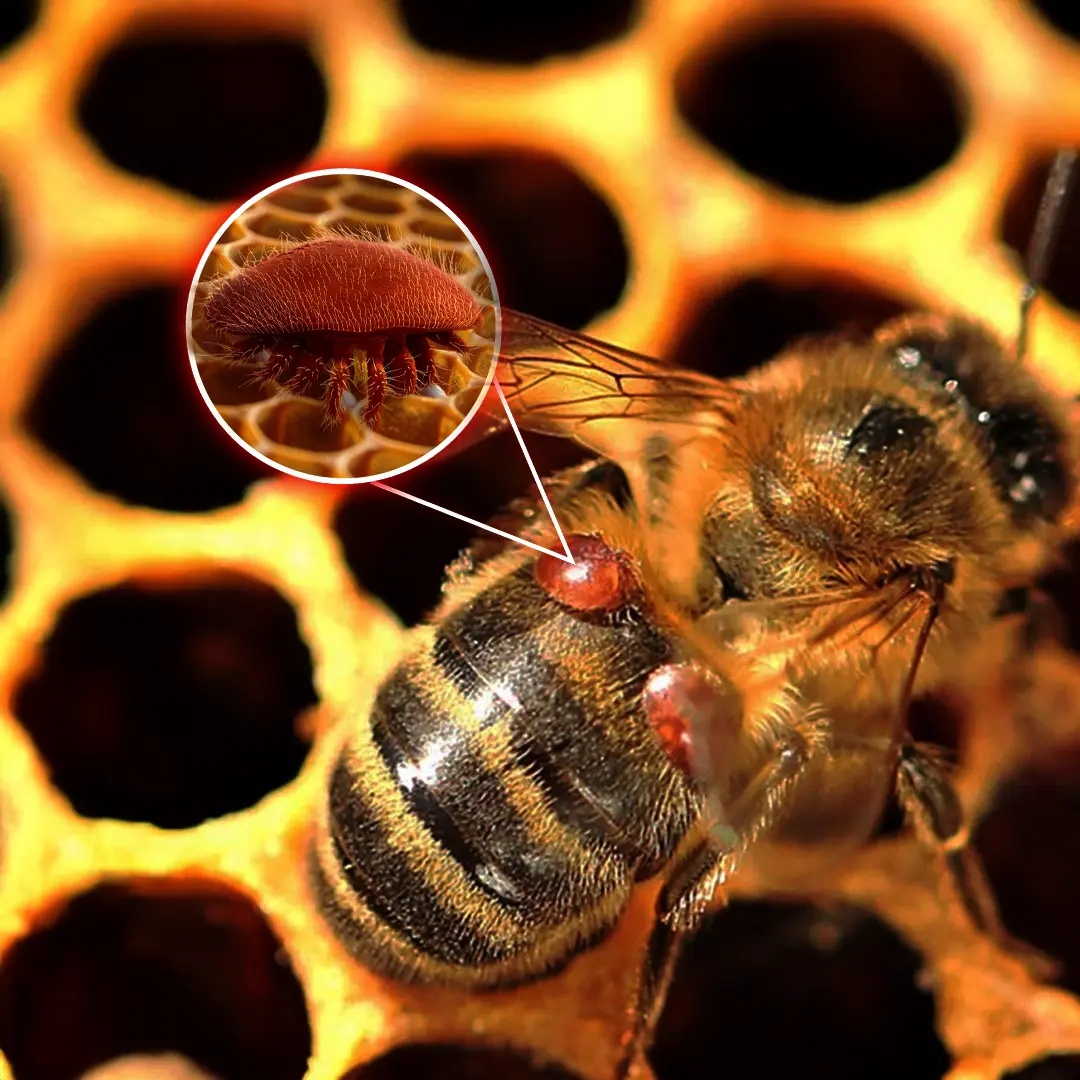
Bees don’t collapse overnight. In most cases, the damage builds slowly. Energy drops. Brood patterns weaken. Adult bees look smaller or deformed. Then, one season, the hive simply doesn’t recover.
One of the most serious causes behind this decline is the Varroa mite. Understanding how Varroa mites affect bees is critical for Australian beekeepers today. This parasite does far more than sit on a bee’s body. It weakens immunity, spreads viruses, disrupts brood development, and can ultimately destroy entire colonies if left unmanaged.
In this guide, we break down exactly how Varroa mites harm bees, what happens inside the hive, and why early awareness matters for Australian conditions.
What Are Varroa Mites and Why Are They So Harmful?
Varroa mites are external parasitic mites that attach to honey bees and feed on their body tissues. They reproduce inside capped brood cells and multiply quickly when conditions allow.
The real problem is not just that they feed on bees. It’s how they weaken the entire colony system over time.
Varroa mites:
-
Drain nutrients from developing and adult bees
-
Suppress immune systems
-
Spread multiple harmful viruses
-
Increase stress inside the colony
-
Reduce overall hive productivity
Because they reproduce within brood cells, their population can grow silently before visible damage appears.
How Varroa Mites Affect Adult Bees
Adult worker bees are the backbone of the hive. They forage, regulate hive temperature, defend the colony, and feed developing larvae. When Varroa mites attach to adult bees, several things happen.
1. Nutrient Loss and Weakening
Mites feed on the bee’s fat body tissue, which plays a critical role in:
- Immune function
- Detoxification
- Energy storage
As a result, affected bees:
- Have reduced strength
- Live shorter lives
- Become more vulnerable to disease
Even if bees appear active, internal weakening reduces their long-term survival.
2. Virus Transmission
One of the most damaging effects of Varroa mites is virus transmission. When mites feed, they transfer viruses directly into the bee’s system.
Common impacts include:
- Deformed wings
- Reduced flying ability
- Impaired navigation
- Lower resistance to environmental stress
Infected bees often cannot forage effectively, which affects the entire colony’s food supply.
3. Shortened Lifespan of Worker Bees
Healthy worker bees typically live several weeks during active seasons. When infested with Varroa mites, their lifespan can be significantly reduced.
This creates:
- Fewer foragers
- Reduced honey production
- Imbalanced hive population
The colony may look normal at first, but over time, the workforce becomes too small to sustain healthy operations.
How Varroa Mites Affect Developing Brood
The most damaging stage of infestation often occurs inside capped brood cells.
Female mites enter the cell just before it is sealed. Inside, they lay eggs. As the bee pupae develop, mites feed and reproduce.
This causes:
1. Physical Deformities
Emerging bees may show:
- Deformed or crumpled wings
- Smaller body size
- Underdeveloped abdomens
These bees are unable to forage properly and often die shortly after emerging.
2. Reduced Brood Viability
High mite populations inside brood cells can result in:
- Patchy brood patterns
- Dead or weakened pupae
- Lower overall hive population growth
For Australian beekeepers, brood health is especially important during warmer seasons when colonies should be expanding. If brood is compromised, colony strength declines quickly.
How Varroa Mites Impact the Entire Colony
Varroa mites don’t just harm individual bees. They disrupt the entire colony structure.
Over time, infestations lead to:
- Reduced honey production
- Lower pollen collection
- Weak hive defence
- Poor overwinter survival
- Increased risk of colony collapse
Even strong hives can gradually fail if mite populations are not identified early.
Why Varroa Mites Are a Serious Concern in Australia
Australia’s climate plays a significant role in how Varroa mites affect bees.
Warmer temperatures can:
- Extend brood-rearing periods
- Increase mite reproduction cycles
- Allow infestations to grow faster
Unlike colder regions where brood production slows significantly in winter, many parts of Australia experience longer active seasons. This can unintentionally favour mite population growth if monitoring is not consistent.
Because of this, Australian beekeepers must adopt proactive awareness rather than reactive panic.
Early Signs That Varroa Mites Are Affecting Bees
Varroa damage is not always obvious at first. However, as populations grow, some signs may appear.
Beekeepers may notice:
- Crawling bees near the hive entrance
- Bees with visibly deformed wings
- Reduced hive activity
- Spotty brood patterns
- Declining honey yield
It’s important to understand that visible signs usually indicate an advanced infestation stage. Regular inspection and education remain essential.
How Varroa Mites Lead to Colony Collapse
Colony collapse does not happen instantly. It is usually the final stage of prolonged weakening.
Here is how it typically progresses:
- Mites reproduce inside brood cells.
- Adult bees become virus carriers.
- Worker lifespan shortens.
- Foraging drops.
- Brood production declines.
- The population becomes unsustainable.
Eventually, the hive cannot maintain temperature, feed larvae, or defend itself.
Understanding this chain reaction helps beekeepers recognise why early awareness is far more effective than waiting for visible failure.
Why Education Is Critical for Modern Beekeepers
Beekeeping today is not just about honey production. It requires active hive health management.
Understanding how Varroa mites affect bees helps you:
- Monitor colonies responsibly
- Recognise subtle behavioural changes
- Support long-term hive stability
- Adapt management strategies for Australian conditions
Whether you are a beginner or an experienced beekeeper, knowledge reduces risk.
Key Takeaways
Varroa mites affect bees in multiple ways:
- They weaken adult bees by draining nutrients
- They spread harmful viruses
- They damage developing brood
- They shorten worker bee lifespan
- They reduce overall colony productivity
For Australian beekeepers, staying informed and proactive is now part of responsible hive care.
The earlier you understand the impact, the better prepared you are to protect your bees.
FAQs
How do Varroa mites harm honey bees?
Varroa mites feed on bees’ body tissues and spread viruses, weakening immunity and reducing lifespan.
Do Varroa mites kill bees directly?
They rarely kill instantly. Instead, they weaken bees over time and increase disease spread, which can lead to colony collapse.
How can I tell if Varroa mites are affecting my hive?
Signs include deformed wings, reduced activity, patchy brood, and declining honey production.
Are Varroa mites more dangerous in warm climates?
Warmer conditions can allow mites to reproduce faster due to longer brood cycles, increasing infestation risk.
Can strong colonies survive Varroa mites?
Without monitoring and management, even strong colonies can eventually decline.