
















Beekeeping for Beginners: A Complete Guide
Author: Hornsby Beekeeping Date Posted:13 March 2026
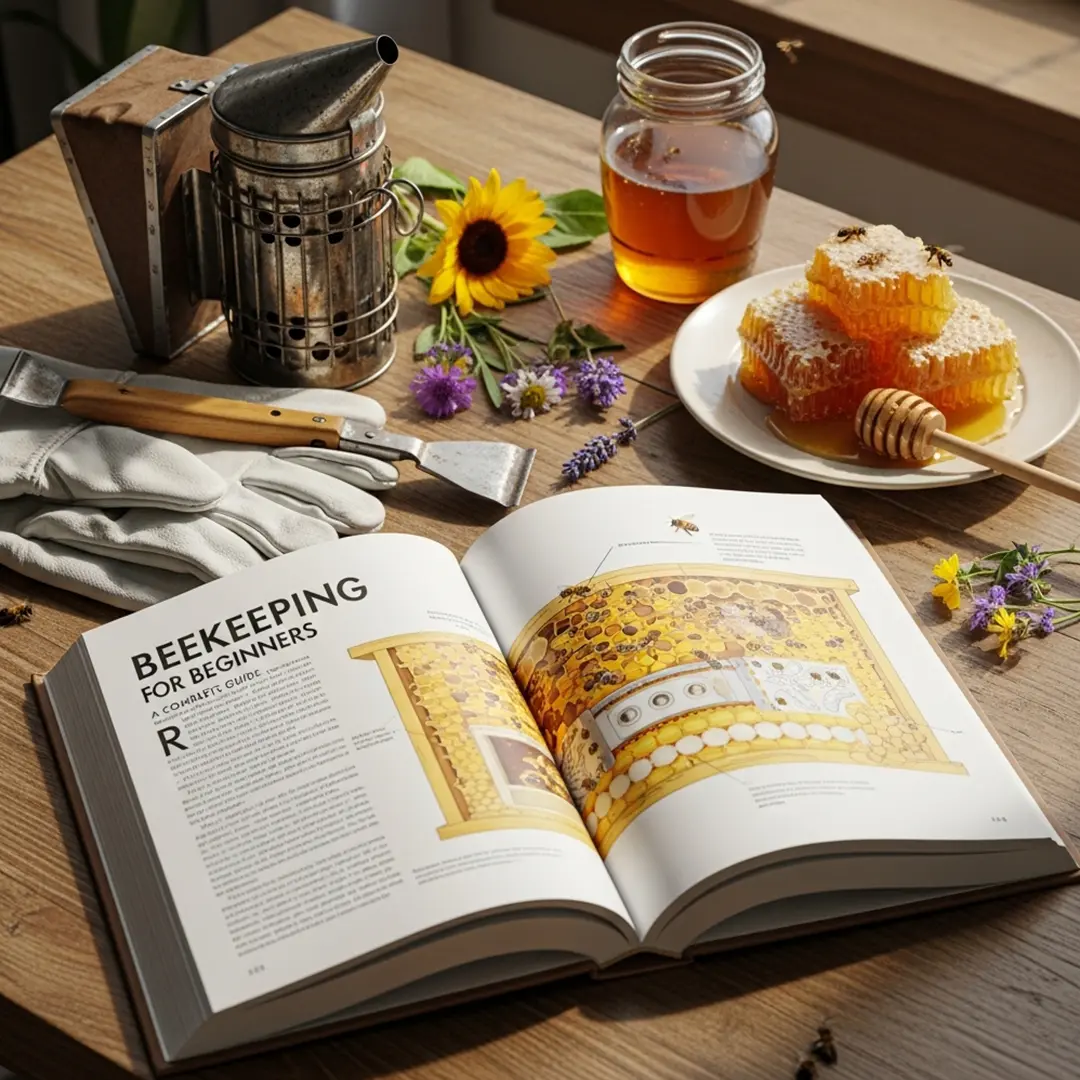
Starting beekeeping for beginners can be an exciting and rewarding journey. Many people choose beekeeping as a hobby because it allows them to connect with nature while supporting pollinators that are essential for our environment. Watching a honey bee colony work together and harvesting honey from your own hive is a truly unique experience.
If you are planning to start keeping bees for beginners, preparation is the key to success. Understanding the basics of bee colonies, equipment, and hive management will help you build a healthy hive and enjoy your beekeeping journey.
This guide explains how to start beekeeping for beginners, what equipment you need, and the best way to begin your first hive.
What Do You Need to Start Beekeeping for Beginners?
Before starting beekeeping for beginners, you need a few essential items and some basic knowledge about honey bee colonies and bees behaviour.
Here are the main things every beginner beekeeper should have:
- A beehive for your bees
- Protective clothing such as a bee suit and gloves
- A hive tool to inspect and manage the hive
- A bee smoker to keep bees calm during inspections
- A healthy bee colony with a queen bee
The most important element is knowledge. Learning how bees behave and how a hive functions will make it much easier to manage your colony successfully.
How Many Beehives Should Beginners Start With?
Many people start beekeeping for beginners with a single hive. However, experienced beekeepers often recommend starting with two beehives.
Having two hives provides several advantages:
- You can compare colony health between hives
- If one colony struggles, the other may help support it
- It improves your chances of harvesting honey
- It allows better swarm management
Starting small is still important. One or two hives are usually enough for beginners to learn the basics of keeping bees without becoming overwhelmed.
How Much Does It Cost to Start Beekeeping?
The cost of starting beekeeping for beginners can vary depending on the equipment and hive type you choose.
Typical beginner costs include:
- Beehive and frames
- Protective suit and gloves
- Hive tools and smoker
- Bees or a nucleus colony
- Optional tools like a honey extractor
In general, beginners can expect an initial investment that covers the hive setup and essential equipment. Once the hive is established, ongoing costs are usually minimal compared to many other hobbies.
How Many Bees Do You Need to Start a Hive?
A healthy honey bee colony usually contains between 20,000 and 60,000 bees when fully developed.
However, beginners typically start a hive using one of the following options:
- Nucleus colony (nuc): a small established colony
- Package bees: a group of worker bees with a queen
- Hive split: a colony divided from an existing hive
Most starter colonies contain around 10,000 bees and a mated queen, which is enough to grow into a strong hive.
The queen bee is essential because she lays eggs and maintains the colony population.
Essential Equipment for Beekeeping for Beginners
Successful beekeeping for beginners requires the right tools and protective equipment.
Protective Beekeeping Clothing
Safety gear is essential when working with bees.
Basic protective clothing includes:
- Beekeeping suit usually white to reduce bee aggression
- Veil or hat protects the face and neck
- Beekeeping gloves provide protection while handling frames
- Boots prevent bees from entering clothing
Proper clothing helps beginners feel confident and safe while inspecting their hive.
Important Beekeeping Tools
Some basic tools make hive management much easier.
Hive tool
Used to open the hive, lift frames, and scrape wax or propolis.
Bee smoker
A smoker releases cool smoke that calms bees and reduces defensive behavior during inspections.
Other helpful tools include bee brushes, hive stands, and honey extractors.
Best Time to Start Beekeeping for Beginners
The best time to start beekeeping in most regions is spring. During spring, flowers bloom and bees have plenty of nectar and pollen available. This is also when bee colonies naturally grow and swarm, making it easier for beginners to purchase new colonies.
Winter is actually a great time to prepare for beekeeping for beginners by researching equipment, learning about bee behavior, and ordering your bees for spring.
Tips for Beginners Who Want to Start Keeping Bees
If you want to succeed in beekeeping for beginners, follow these simple tips:
- Learn from experienced beekeepers or local clubs
- Start with one or two hives
- Inspect your bees regularly to monitor their health
- Provide a safe location for your hive
- Continue learning about bees and hive management
Beekeeping is a continuous learning process, and every season brings new experiences.
Final Thoughts on Beekeeping for Beginners
Getting started with beekeeping for beginners is a fulfilling hobby that allows you to support pollinators and produce your own honey. With the right preparation, proper equipment, and a willingness to learn, anyone can start keeping bees successfully.
By understanding how a hive works and caring for your bees properly, you will soon enjoy the fascinating world of beekeeping and the sweet rewards it brings.