
















How to Choose Flow Hive Frames for Your Beehive
Author: Hornsby Beekeeping Date Posted:3 July 2026
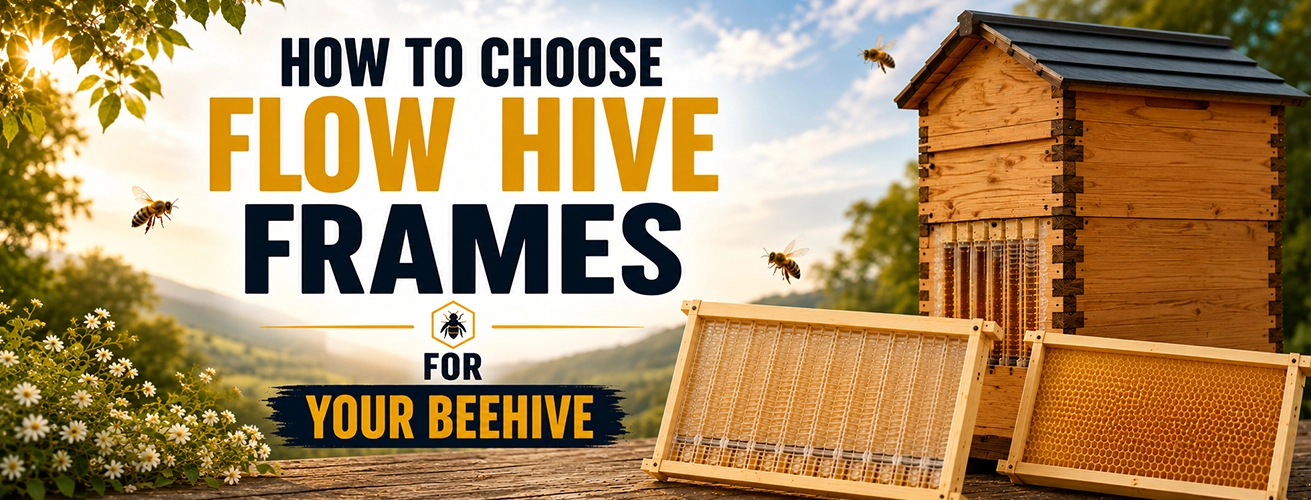
Flow hive frames, often called flow frames or honey flow frames, are designed to make honey harvesting cleaner and less disruptive. Instead of removing every honey frame, uncapping it and spinning it in an extractor, these frames allow ripe honey to drain from the super when the harvesting mechanism is opened.
For Australian beekeepers, this can be useful during a strong nectar flow, especially if you want a simpler harvesting process. However, flow hive frames are not a shortcut for good beekeeping. You still need regular hive inspections, queen checks, pest monitoring, brood assessment and seasonal hive management.
Therefore, the best frame choice depends on your hive type, colony strength, honey super setup and how you prefer to harvest. Before buying flow hive frames, it is important to understand how they work and whether they suit your beekeeping system.
What Are Flow Hive Frames Used For?
Flow hive frames are used in the honey super to store and harvest surplus honey. Bees complete the comb surface, fill the cells with nectar, ripen it into honey and seal it with wax cappings. Once the honey is mature, the beekeeper can open the frame mechanism and allow honey to flow into a collection jar or bucket.
These frames are not used in the brood box. The brood box should remain focused on the queen, brood, pollen and colony development. Flow frames belong in the honey super, usually above a queen excluder, so the queen stays below and brood does not enter the harvest frames.
In simple terms, flow hive frames are used for:
-
Storing surplus honey
-
Harvesting honey with less frame removal
-
Reducing extraction mess
-
Keeping drawn honey comb reusable
-
Making small-scale harvesting more convenient
However, the colony still needs to be strong enough to fill the super before harvesting is possible.
How Flow Hive Frames Help Beekeepers
The biggest benefit of flow hive frames is convenience. They can reduce the amount of lifting, uncapping and extraction equipment needed during honey harvest. As a result, they are popular with backyard and hobby beekeepers who want a cleaner harvesting method.
They may also reduce disturbance during harvest because the beekeeper does not need to remove every honey frame from the super. However, this does not mean the hive can be left alone. Bees still need careful inspections, especially in the brood box.
Flow frames can help with:
-
Cleaner honey collection
-
Less need for a honey extractor
-
Reduced handling of full honey frames
-
Easier small-batch harvesting
-
Less mess during extraction
-
Better convenience for hobby beekeepers
In addition, flow frames can support productivity when the colony is strong and nectar flow is active. Bees can reuse the frame structure again after harvest, which may save time compared with rebuilding comb.
Do Flow Hive Frames Improve Airflow?
Flow hive frames are mainly designed for honey harvesting, not ventilation. They may fit into a super in a way that keeps the hive structure organised, but they should not be treated as a solution for poor airflow or moisture problems.
Good airflow still depends on the full hive setup. This includes hive placement, entrance management, lid condition, colony strength and seasonal ventilation. If a hive is damp, mouldy or poorly ventilated, changing to flow hive frames alone will not fix the issue.
Therefore, beekeepers should manage airflow separately by:
-
Choosing a dry, well-drained hive site
-
Keeping the entrance clear
-
Avoiding too much empty hive space
-
Checking lids and boxes for leaks
-
Maintaining strong colonies
-
Using suitable ventilation for local conditions
Flow frames can make harvesting easier, but overall hive health still depends on good management.
When Should You Add Flow Hive Frames?
Flow hive frames should be added when the colony is strong enough to use the honey super. Adding them too early can create extra space the bees cannot manage. This may slow colony growth or increase pest pressure, especially in warm Australian conditions where small hive beetle can become a concern.
A colony may be ready when bees are covering most brood frames, the queen is laying well, nectar is coming in and the brood box is becoming crowded. If the hive is weak, queenless, short of food or under pest pressure, wait before adding any honey super.
Good timing signs include:
-
Strong bee population
-
Healthy brood pattern
-
Active nectar flow
-
Bees covering most frames
-
Good pollen and honey stores
-
Low pest pressure
-
Warm, stable inspection weather
In most cases, flow hive frames should be treated like any other honey super frames: add them when the colony is ready to store surplus honey.
When Should You Replace Flow Hive Frames?
Flow hive frames are built for repeated use, but they should still be checked regularly. Replace or repair them if they become damaged, warped, badly blocked, cracked, contaminated or difficult to operate.
You may need to replace flow frames if:
-
The mechanism no longer opens or closes properly
-
Plastic parts are cracked or warped
-
Honey does not drain correctly
-
Frames are heavily contaminated
-
Disease has affected the equipment
-
Bees refuse to use damaged sections
-
The frame no longer fits securely
If disease is suspected, do not simply clean and reuse frames without advice. Follow local biosecurity guidance and ask an experienced beekeeper or relevant authority for help.
How to Choose the Right Flow Hive Frames
Compatibility is the most important factor. Not every frame fits every hive. Before buying, check your hive size, super depth and frame type. Some flow frames are designed for specific flow-style supers, while others may require a compatible or modified super.
Before choosing frames, check:
-
Hive size and frame depth
-
Super compatibility
-
Number of frames the super holds
-
Whether your hive uses 8-frame or 10-frame equipment
-
Material quality
-
Food-safe construction
-
Ease of cleaning
-
Availability of replacement parts
-
Supplier support
-
Suitability for your climate and honey flow
Also think about your beekeeping goals. If you only have one or two backyard hives, a smaller setup may be enough. If you manage several hives, traditional extraction equipment may still be more practical for larger harvests.
Installation Tips for Flow Hive Frames
Installation should be done carefully so the frames sit straight and function correctly. Poor installation can lead to gaps, burr comb, leaking honey or bees not working the frames properly.
Before installing, make sure the super is clean, dry and compatible. Place the frames evenly and check that the harvesting key channel and outlet area are accessible. If using a queen excluder, place it between the brood box and honey super.
Helpful installation tips include:
-
Install only in a compatible super
-
Keep frames aligned correctly
-
Avoid forcing parts into place
-
Make sure there are no large gaps
-
Use above a strong brood box
-
Check that the outlet area is clear
-
Confirm bees are moving into the super
-
Inspect regularly before harvest
After installation, give the bees time. They may need to wax and prepare the frames before storing honey properly.
Maintenance Mistakes to Avoid
Flow hive frames need gentle handling. Harsh cleaning, high heat or rough tools may damage the mechanism. In addition, unnecessary cleaning can remove bee scent and wax that helps bees accept the frames.
Avoid these mistakes:
-
Adding frames to a weak hive
-
Using them in the brood box
-
Harvesting uncapped or unripe honey
-
Ignoring brood inspections
-
Forcing the harvest mechanism
-
Leaving honey outlets dirty
-
Using damaged or incompatible supers
-
Washing with harsh chemicals
-
Exposing frames to excessive heat
-
Assuming flow frames replace normal beekeeping
After harvesting, clean honey outlets and external parts as needed. If the frames stay inside a healthy hive, bees usually help maintain the comb surface themselves.
Final Thoughts
Flow hive frames can make honey harvesting cleaner, easier and more convenient, especially for small-scale and backyard beekeepers. They are designed for the honey super and can reduce the need for traditional uncapping and spinning equipment.
However, they work best when the colony is strong, the super is compatible and the beekeeper still follows good hive management. Flow frames do not replace inspections, pest checks, queen management or seasonal care. Instead, they are a harvesting tool that should support responsible beekeeping.
If you need swarm collection equipment, nucleus boxes, protective clothing, or expert beekeeping advice, Hornsby Beekeeping Supplies is here to help. Contact our experienced team on +612 9477 5569 or email info@hornsby-beekeeping.com for trusted products and practical beekeeping support across Australia.
FAQs
What is flow hive frames used for in hive management?
Flow hive frames are used in the honey super to store and harvest surplus honey. They allow beekeepers to drain ripe honey from the frame without removing and extracting every frame in the traditional way.
How does flow hive frames help improve hive safety, airflow or productivity?
Flow hive frames can improve beekeeper safety and productivity by reducing heavy lifting, uncapping and extraction work during harvest. However, they do not directly fix airflow problems, so normal hive ventilation and moisture control are still important.
When should beekeepers add or replace flow hive frames?
Beekeepers should add flow hive frames when the colony is strong, nectar is coming in and the bees are ready for a honey super. Replace them if they are cracked, warped, contaminated, difficult to operate or no longer fit securely.
How do I choose the right flow hive frames for my hive type?
Choose flow hive frames by checking your hive size, super depth, frame compatibility and whether your equipment is 8-frame, 10-frame or designed for a specific flow-style setup. Always confirm compatibility before buying.
What installation or maintenance mistakes should I avoid with flow hive frames?
Avoid installing flow hive frames in weak colonies, using them in the brood box, forcing the mechanism, harvesting unripe honey, using incompatible supers, cleaning with harsh chemicals or assuming they replace regular hive inspections.