

















Best Beehive Types for Beginners: Which Hive Should You Choose?
Author: Hornsby Beekeeping Date Posted:19 June 2026
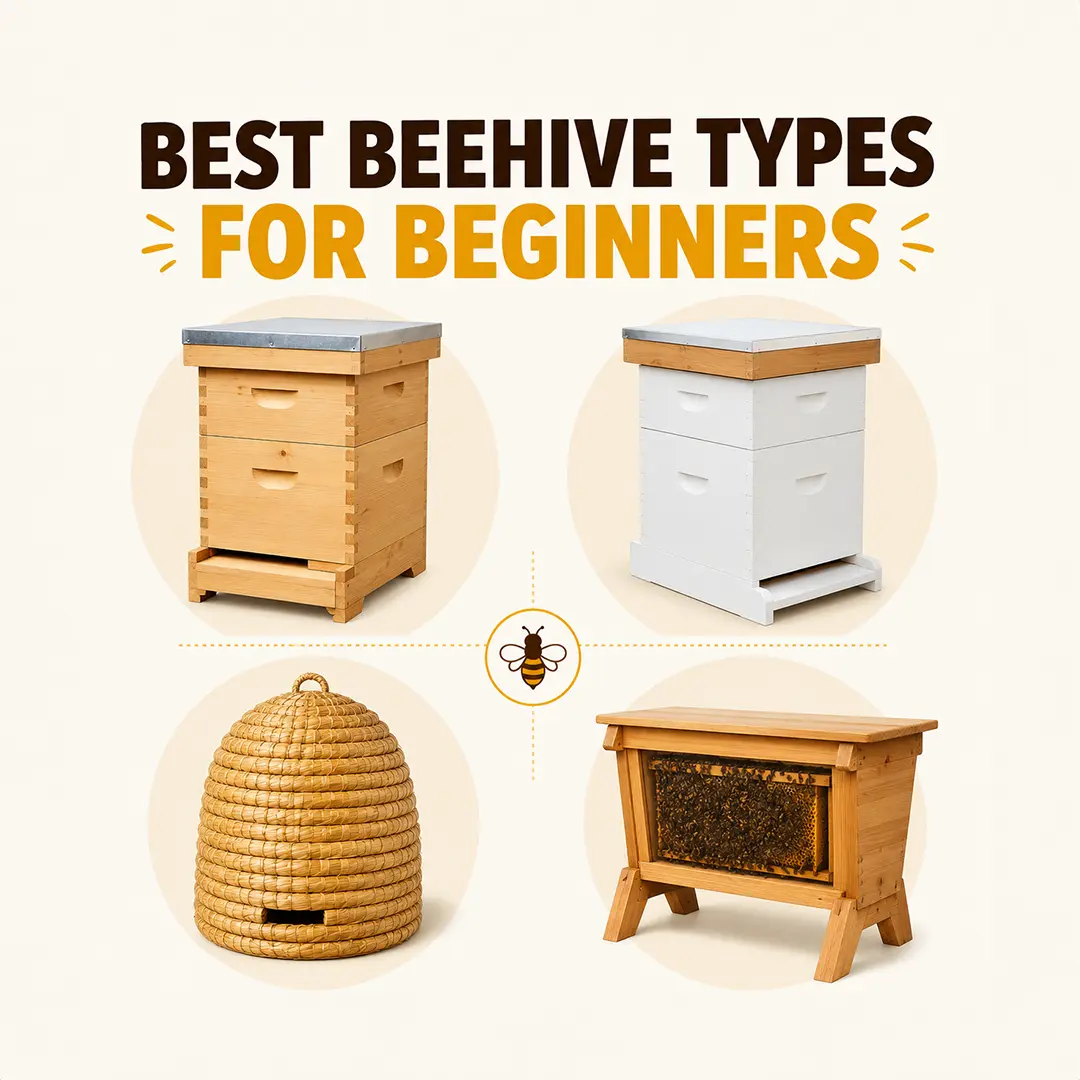
Choosing your first beehive is one of the most important decisions you'll make as a new beekeeper. Selecting the right hive can make a significant difference in how you care for your bees, collect honey, and handle routine hive management.With several beehive designs available today, beginners often wonder which option offers the best balance of simplicity, productivity, and ease of use.
The good news is that there is no single "perfect" hive for everyone. The best beehive depends on your goals, experience level, available space, and preferred beekeeping style.
This guide compares the most common beehive types for beginners and explains the advantages and drawbacks of each.
What Makes a Beehive Beginner-Friendly?
Before choosing a hive, it helps to understand what features are most important for new beekeepers.
A beginner-friendly hive should offer:
-
Easy inspections
-
Simple maintenance
-
Readily available equipment
-
Good colony management options
-
Straightforward honey harvesting
-
Strong educational support and resources
The easier a hive is to manage, the faster you'll gain confidence as a beekeeper.
The Langstroth Hive: The Most Popular Choice
For most beginners, the Langstroth hive remains the gold standard.
Invented in the 1850s, this hive design is used by hobbyists, commercial beekeepers, and professional pollination services worldwide.
Key Features
- Stacked hive boxes
- Removable frames
- Expandable design
- Easy inspections
- Compatible with most beekeeping equipment
Benefits for Beginners
The Langstroth hive offers several advantages:
-
Widely available equipment
-
Easy access to replacement parts
-
Strong community support
-
Proven management methods
-
High honey production potential
Because it is the most commonly used hive system, finding local advice and educational resources is much easier.
Potential Drawbacks
The main challenge is that hive boxes can become heavy when filled with honey.
A full honey super may weigh more than 20 kilograms, making lifting difficult for some beekeepers.
Flow Hive: Simplified Honey Harvesting
Flow Hives have become increasingly popular among beginner beekeepers because they simplify honey extraction.
This innovative design uses specially engineered frames that allow honey to be harvested without removing traditional honeycomb frames.
Key Features
-
Flow Frames in the honey super
-
Honey harvested directly from the hive
-
Reduced disruption during extraction
-
Compatible with Langstroth brood boxes
Benefits for Beginners
Many new beekeepers appreciate:
-
Easier honey harvesting
-
Less equipment required
-
Reduced handling of honey frames
-
Cleaner extraction process
For those primarily interested in harvesting honey with minimal disturbance to the colony, a Flow Hive can be an attractive option.
Potential Drawbacks
Flow Hives generally cost more than traditional hive systems.
They also require the same regular inspections and colony management practices as standard Langstroth hives.
Top Bar Hives: A Natural Beekeeping Option
Top Bar hives take a different approach to beekeeping.
Instead of stacked boxes, bees build comb downward from wooden bars positioned across the top of a long horizontal hive.
Key Features
- Horizontal design
- No heavy lifting
- Natural comb construction
- Simplified hive structure
Benefits for Beginners
Many beekeepers choose Top Bar hives because:
-
Boxes do not need lifting
-
Bees build natural comb
-
Construction can be simple and affordable
-
Hive inspections are performed one comb at a time
Potential Drawbacks
Top Bar hives often produce less honey than Langstroth hives.
Finding equipment, accessories, and local support can also be more challenging.
Warre Hives: A Low-Intervention Approach
The Warre hive was developed to mimic how bees naturally live in tree cavities.
Boxes are added underneath the colony rather than on top.
Key Features
- Vertical design
- Natural comb building
- Minimal intervention philosophy
- Smaller hive boxes
Benefits for Beginners
Supporters of Warre hives appreciate:
-
Natural colony development
-
Reduced hive disturbance
-
Smaller box weights
-
Simple hive construction
Potential Drawbacks
Warre hives may not be ideal for beginners who want frequent inspections or maximum honey production.
Managing diseases and monitoring colony health can also be more difficult compared to removable-frame systems.
Which Hive Produces the Most Honey?
When properly managed, Langstroth and Flow Hive systems generally provide the highest honey yields.
Their removable frame design allows colonies to expand efficiently and enables beekeepers to monitor hive health more effectively.
Top Bar and Warre hives can certainly produce honey, but they are often chosen for management philosophy rather than maximum production.
Which Hive Is Easiest to Maintain?
For most beginners, Langstroth hives are usually the easiest to maintain because:
-
Equipment is widely available
-
Most training courses use Langstroth systems
-
Spare parts are easy to find
-
Inspection methods are well established
The large support network available to Langstroth users can significantly reduce the learning curve.
Factors to Consider Before Choosing a Hive
Before purchasing your first hive, consider:
Your Beekeeping Goals
Are you primarily interested in:
-
Honey production?
-
Pollination?
-
Learning about bees?
-
Sustainable living?
-
Natural beekeeping?
Your goals may influence which hive style suits you best.
Physical Requirements
Some hive systems require lifting heavy boxes.
If lifting is a concern, Top Bar hives or smaller hive configurations may be worth considering.
Budget
Initial costs vary between hive types.
While some systems require a larger upfront investment, they may save time and effort later.
Local Support
Choosing a hive commonly used in your area makes it easier to find:
-
Mentors
-
Beekeeping clubs
-
Spare parts
-
Training resources
Local knowledge can be extremely valuable during your first few years of beekeeping.
What Hive Do Most Beekeeping Experts Recommend?
For beginners, most beekeeping educators and experienced beekeepers recommend starting with a Langstroth hive.
Its flexibility, widespread use, and abundance of learning resources make it one of the easiest systems to learn and manage successfully.
Many beekeepers later experiment with alternative hive styles once they gain experience.
Conclusion
The best beehive for beginners depends on your goals, budget, and preferred beekeeping style. While Top Bar and Warre hives appeal to those seeking a more natural approach, the Langstroth hive remains the most practical and widely recommended option for new beekeepers. Flow Hives also offer an attractive solution for those looking to simplify honey harvesting while retaining the benefits of a traditional hive structure.
If you're unsure which hive is right for you, the team at Hornsby Beekeeping Supplies can help you choose the best setup for your experience level and beekeeping goals. Call +612 9477 5569 or email info@hornsby-beekeeping.com for expert advice and quality beekeeping equipment.
Frequently Asked Questions
What is the best beehive for a complete beginner?
Most beginners start with a Langstroth hive because it offers removable frames, easy inspections, and access to extensive educational resources and equipment.
Is a Flow Hive suitable for new beekeepers?
Yes. A Flow Hive can be a good option for beginners, particularly those interested in easier honey harvesting. However, it still requires regular hive inspections and proper colony management.
Are Top Bar hives easier than Langstroth hives?
Top Bar hives eliminate heavy lifting, but they often require different management techniques and may produce less honey. Many beginners find Langstroth hives easier due to the abundance of available support and resources.
Which beehive type produces the most honey?
Langstroth and Flow Hive systems generally provide the highest honey production when colonies are healthy and managed correctly.
Can I switch hive types later?
Yes. Many beekeepers begin with a Langstroth hive and later explore Top Bar, Warre, or other hive designs as they gain experience and confidence.