
















What Is Propolis? Bee Propolis Benefits Explained
Author: Hornsby Beekeeping Date Posted:3 March 2026
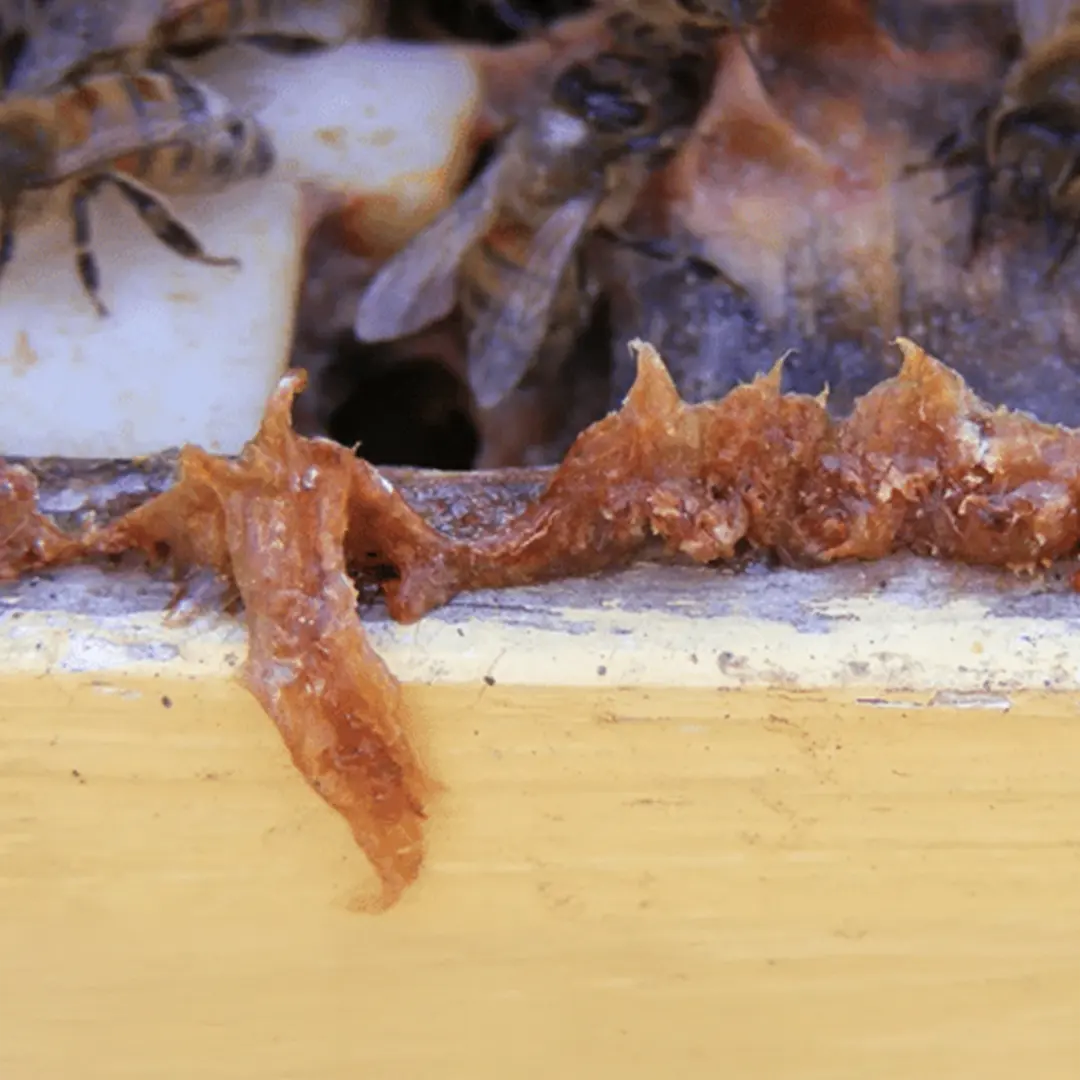
If you’ve ever opened a hive and struggled to pull frames apart because of a sticky, brown substance, you’ve already met propolis. But what is propolis, exactly and why do bees rely on it so heavily?
Often called “bee glue,” propolis is a resinous material that honey bees create by mixing plant resins with beeswax and enzymes. The name comes from Greek origins meaning “in front of the city,” which is fitting. Inside the hive, this substance acts as both shield and sealant, protecting the colony like defensive walls around a fortress.
However, its role goes far beyond construction. Let’s break down what bee propolis is, how bees make it, and why propolis benefits have gained so much attention in modern research.
How Bees Make Propolis
Worker bees collect sticky resins from tree buds, sap flows, and plant wounds. You’ll often see them gathering material from poplars, conifers, or eucalyptus, depending on the region. They store the resin in their pollen baskets and carry it back to the hive.
Once inside, other bees help remove the resin. It is chewed, mixed with wax and enzymes, and transformed into the final compound. The result is a flexible, glue-like material that hardens over time.
Because bees collect resin from local plants, the exact composition varies from hive to hive. Even so, propolis typically contains flavonoids, phenolic acids, essential oils, and natural waxes compounds known for their protective properties.
What Do Bees Use Propolis For?
Inside the hive, this resin plays several critical roles.
First, bees use it as a structural sealant. It fills cracks, smooths rough surfaces, strengthens comb edges, and waterproofs internal walls. Bees may even narrow the hive entrance with it, making it harder for predators to enter.
More importantly, it acts as part of the colony’s immune defence.
Research shows that propolis has strong antimicrobial activity. It helps suppress bacteria, fungi, and other pathogens that could threaten the colony. When disease pressure increases, bees often gather more resin to reinforce the hive interior.
In some cases, if a small intruder dies inside the hive and cannot be removed, bees coat it in propolis to prevent decomposition. This limits contamination and protects the rest of the colony.
For bees, it’s both building material and medicine.
Propolis Benefits for Humans
Humans have used propolis for thousands of years, long before laboratories studied its properties. Ancient civilisations valued it for wound care and preservation. Today, modern research continues to explore its potential.
Some of the most recognised propolis benefits include:
Antimicrobial Support
Laboratory studies show it may help inhibit certain bacteria, viruses, and fungi. This explains why it is commonly found in throat sprays, lozenges, and tinctures.
Anti-Inflammatory Properties
Compounds within propolis appear to reduce inflammatory responses. Because of this, it is often included in creams for irritated or sensitive skin.
Antioxidant Activity
Rich in flavonoids, it helps neutralise oxidative stress in the body. Antioxidants play an important role in overall cellular health.
Skin and Wound Care
Propolis is frequently used in ointments designed to support minor wound healing, burns, acne recovery, and other skin concerns.
Oral Health
Its antibacterial action makes it a popular ingredient in toothpaste and mouthwash products aimed at reducing plaque and supporting gum health.
While research is ongoing, interest in this hive product continues to grow due to its broad biological activity.
Is Propolis Safe to Use?
For most people, propolis is considered safe. However, individuals with bee-related allergies should exercise caution. As with any natural product, it’s wise to perform a patch test before applying it to the skin.
If irritation or sensitivity occurs, discontinue use and consult a healthcare professional.
Ethical and Sustainable Harvesting
Because propolis plays a vital role in hive health, responsible harvesting matters. Ethical beekeepers collect only excess buildup often from frame edges and avoid removing large quantities before winter. The colony depends on it for insulation and disease resistance.
Supporting local, sustainability-focused beekeepers ensures that this valuable hive product is sourced without compromising bee wellbeing.
Final Thoughts
So, what is propolis? It is far more than sticky residue between frames. It is a sophisticated natural defence system created by bees to protect their colony from structural damage and microbial threats.
Moreover, the same protective properties that benefit the hive have sparked scientific interest in human wellness applications. From immune support to skincare, its potential continues to be explored.
In short, propolis proves that some of the smallest elements inside a hive can have the greatest impact