


















Where to Locate a Beehive: Best Beehive Placements
Author: Hornsby Beekeeping Date Posted:17 March 2026
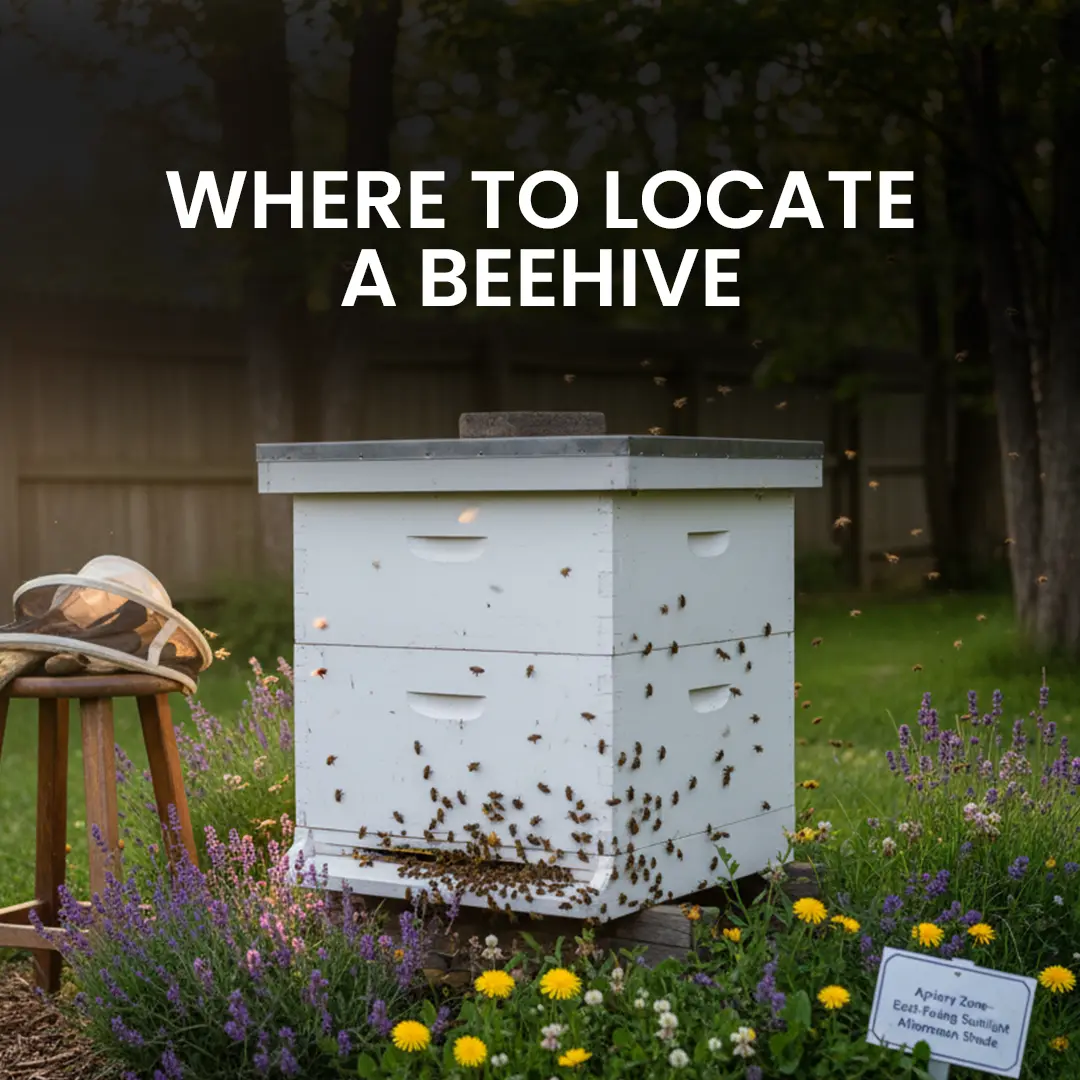
Choosing the right location for your beehive is one of the most important decisions when starting beekeeping. Bees are highly adaptable insects and can thrive in many environments, including rural areas, suburban backyards, gardens, and even rooftops.
However, the exact beehive placement can affect the health of your colony, the amount of honey produced, and your relationship with neighbours. By considering a few important factors before installing a hive, you can create a safe and productive environment for your bees.
Below are some key things every beekeeper should consider when deciding where to locate a beehive.
Local Rules and Regulations for Beehive Placement
Before installing a hive, it is essential to check local beekeeping laws and regulations in your area. Many regions have guidelines that control where and how beehives can be placed, especially in residential areas.
In some places, the number of hives allowed may depend on the size of your property. There may also be rules regarding the distance between a hive and a neighbouring boundary or public area.
For example, certain guidelines may require that hives be placed several meters away from boundary fences unless there is a tall barrier such as a fence or wall. These regulations are designed to protect both beekeepers and the surrounding community.
Checking these rules before setting up your hive helps avoid potential problems and ensures you are following responsible beekeeping practices.
Access to Food Sources for Bees
A good beehive location should provide easy access to flowers that produce nectar and pollen. Bees rely on these natural resources to feed the colony and produce honey.
Surprisingly, suburban areas can sometimes provide excellent food sources for bees. Gardens, parks, and flowering plants often create a diverse environment where bees can forage throughout the year.
In contrast, placing a hive in an area with only one type of plant may limit the food supply. If the flowering season ends, the colony may struggle to find enough nectar. In such cases, beekeepers may need to move the hive or provide supplemental feeding.
A diverse landscape with different plants blooming throughout the seasons helps ensure a steady food supply for your bees.
Providing a Reliable Water Source
Bees need water for several reasons, including regulating the temperature of the hive during hot weather. A strong colony may use over a litre of water on a warm day to cool the hive and maintain proper humidity.
If there is no natural water source nearby, you may need to provide one. A shallow water container with small stones or floating materials works well because it gives bees a safe place to land while drinking.
Providing water also helps prevent bees from searching for water in places where they might disturb neighbours, such as swimming pools or pet bowls.
Consider Your Neighbours and Surroundings
If you plan to keep bees in a residential area, maintaining good neighbourly relationships is extremely important. Talking to your neighbours before installing a hive can help avoid misunderstandings and build trust.
Many beekeepers find that sharing a jar of fresh honey is a great way to keep neighbours happy.
It is also important to consider the flight path of the bees. Bees naturally fly in and out of the hive in a straight line, so the entrance should face away from busy areas such as walkways, patios, or children’s play spaces.
Barriers like fences, hedges, or shrubs can encourage bees to fly upward when leaving the hive, reducing the chance of contact with people.
Lighting is another factor to consider. Bees are attracted to bright lights at night, so hive entrances should not face strong outdoor lights or house doorways.
Safety for Children and Pets
When deciding where to locate a hive, it is important to think about safety for children and pets. Young children and animals may accidentally disturb the hive if it is placed in an easily accessible area.
To prevent this, many beekeepers install fences around their hives or place them in a quiet corner of the garden where they are less likely to be disturbed. Adding signs that indicate a beehive is nearby can also help inform visitors.
Taking simple precautions helps create a safe environment for both the bees and the people around them.
Final Thoughts on Beehive Location
Finding the perfect beehive location does not need to be complicated. Bees are remarkably adaptable and can thrive in many different environments as long as their basic needs are met.
By considering local regulations, access to food and water, neighbour relationships, and safety, you can create an ideal home for your colony. With proper planning and responsible hive placement, your bees will have the best chance to grow, stay healthy, and produce plenty of honey.
FAQs
1. Where is the best place to put a beehive?
The best place to put a beehive is in a sunny, sheltered location with access to flowers and water. It should also be positioned away from busy walkways and neighbouring properties.
2. Can you keep a beehive in your backyard?
Yes, many people successfully keep beehives in residential backyards. However, it is important to follow local regulations and ensure the hive placement does not disturb neighbours.
3. Should a beehive be in sun or shade?
A beehive usually benefits from morning sunlight and some afternoon shade. This helps bees become active early in the day while preventing the hive from overheating.