

















What Is Varroa Mite? A Clear Guide for Beekeepers
Author: Hornsby Beekeeping Date Posted:19 February 2026
Beekeeping can feel calm and predictable, until something unseen starts damaging your hive from the inside. One of the biggest threats facing honey bees worldwide is a tiny parasite many new beekeepers only hear about after problems begin: the Varroa mite. For beekeepers, understanding this pest early is no longer optional. It’s a key part of responsible hive management and long-term colony health.
If you’ve heard the term but aren’t fully sure what it means, you’re not alone. This guide explains what Varroa mite is, why it matters, and what every beekeeper should know without technical overload or unnecessary alarm. By the end, you’ll have a clear understanding of the issue and why awareness is the first line of defence.
What Is Varroa Mite?
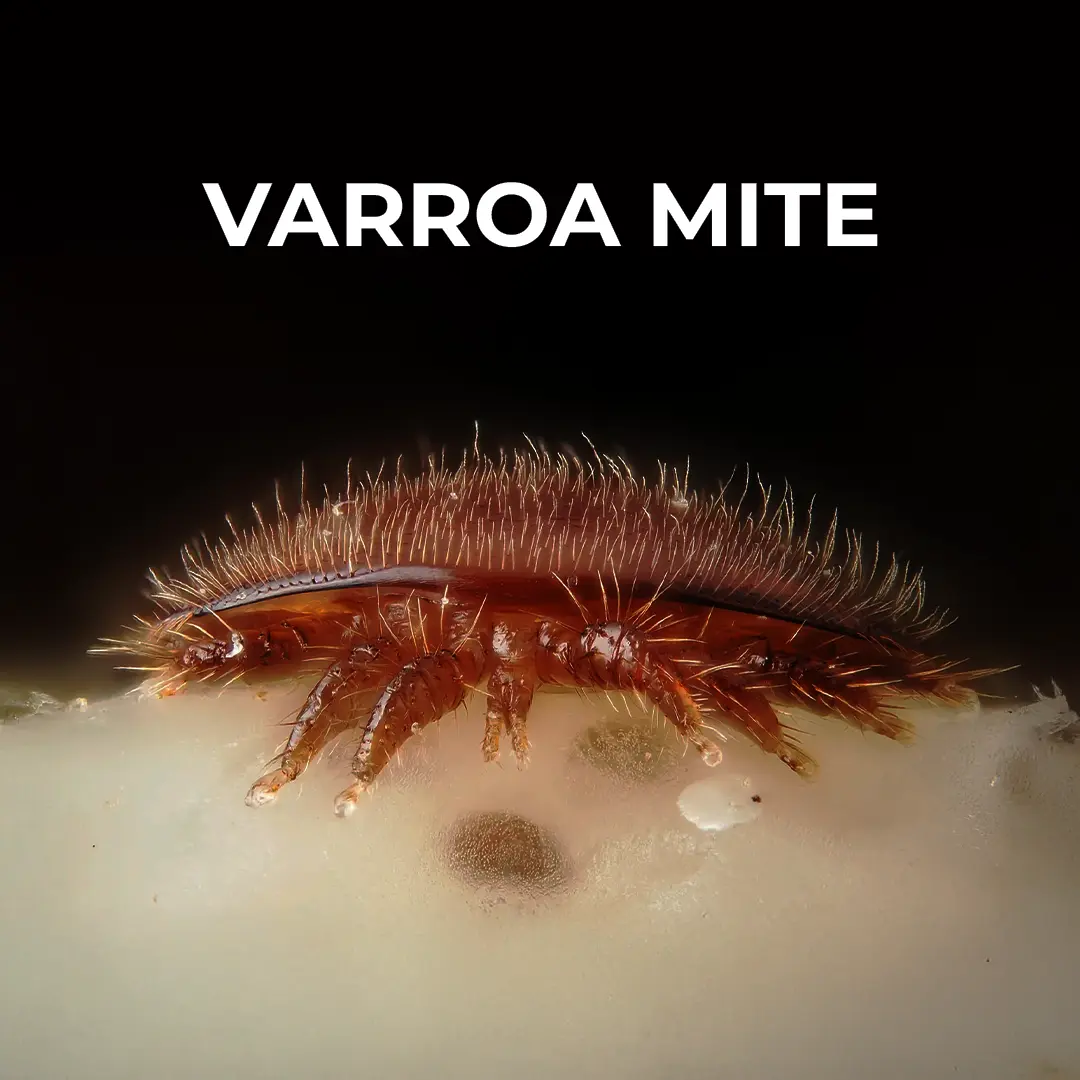
Varroa mite is a parasitic mite that attacks honey bees, feeding on their bodily tissues and weakening entire colonies over time. Scientifically known as Varroa destructor, this mite is considered one of the most destructive pests in modern beekeeping.
Unlike many pests that target hives from the outside, Varroa mites live inside the hive, reproducing within brood cells and spreading quietly through the colony. Adult mites attach themselves to bees, where they feed and move throughout the hive undetected by inexperienced eyes.
In simple terms, Varroa mites:
- Weaken individual bees
- Spread harmful viruses
- Reduce hive productivity
- Increase the risk of colony collapse
For beekeepers, the real danger lies in how easily infestations can go unnoticed until damage is already done.
Why Varroa Mite Is Dangerous to Honey Bees
Varroa mites don’t just irritate bees, they actively compromise their survival. When mites feed on developing or adult bees, they weaken immune systems and shorten lifespans. Over time, this stress reduces the colony’s ability to forage, defend itself, and raise healthy broods.
One of the most serious issues is that Varroa mites act as vectors for bee viruses. These viruses spread rapidly within the hive, especially when bee populations are already stressed by environmental factors such as heat, drought, or food shortages.
Key risks include:
- Deformed wings in emerging bees
- Reduced worker bee lifespan
- Poor brood development
- Gradual colony decline
Without early awareness and management, even strong colonies can fail within a few seasons.
Varroa Mite in Australia: Why Awareness Matters
For a long time, Australia was considered relatively protected from Varroa mite compared to other beekeeping regions. However, increased global trade and hive movement have changed the landscape. Beekeepers now need to stay informed and proactive, regardless of hive size or experience level.
The Australian climate can unintentionally favour mite reproduction during warmer periods, allowing infestations to grow faster than many beginners expect. This makes early education and monitoring especially important, even for backyard hives.
Understanding Varroa mite is now a core part of modern Australian beekeeping not a concern limited to commercial operators.
How Varroa Mite Spreads Between Hives
Varroa mites spread more easily than many beekeepers realise. They don’t rely on poor hygiene alone and can move between colonies in surprisingly common ways.
Common spread pathways include:
- Drifting bees entering neighbouring hives
- Robbing behaviour between weak and strong colonies
- Swarms carrying mites to new locations
- Shared equipment or frames
Because mites can travel unnoticed, even well-maintained hives are at risk if nearby colonies are affected. This is why education and vigilance matter more than panic-driven responses.
Signs of Varroa Mite Infestation in a Hive
One of the challenges with Varroa mites is that early infestations often show no obvious signs. By the time visible symptoms appear, mite populations may already be well established.
As infestation progresses, beekeepers may notice:
- Bees with deformed or missing wings
- Patchy brood patterns
- Reduced hive activity
- Weakened or crawling bees near the hive entrance
It’s important to understand that these signs don’t always appear immediately. Regular monitoring is far more effective than waiting for visible damage.
Understanding the Varroa Mite Life Cycle
The Varroa mite’s success comes from how closely its life cycle is tied to honey bee development. Female mites enter brood cells just before they are capped, laying eggs that develop alongside the bee larva.
As the young bee grows, mites feed and reproduce, emerging with the adult bee and continuing the cycle. This close relationship makes mites difficult to control without disrupting the hive.
Knowing this life cycle helps explain why Varroa mites can spread quickly and why early detection is so important for maintaining healthy colonies.
How Varroa Mite Affects Beekeeping Practices
The presence of Varroa mites has changed how beekeeping is approached worldwide. Today, successful beekeepers focus not only on honey production but also on ongoing hive health management.
This includes:
- Regular hive inspections
- Awareness of seasonal risks
- Responsible equipment use
- Staying informed about local biosecurity guidance
Many beekeepers rely on trusted educational resources and local suppliers that understand regional conditions. Access to beginner-friendly guidance and suitable hive equipment can make learning these practices far less overwhelming.
Managing Varroa Mite: Awareness Comes First
This article focuses on understanding Varroa mites rather than detailed treatment methods, but one message is clear: awareness is the foundation of management. Beekeepers who understand the threat are better prepared to respond responsibly when needed.
Learning how healthy hives function, recognising subtle changes, and staying connected to reliable beekeeping resources all play a role in long-term success.
For beginners building confidence, starting with well-designed hive systems and reliable local guidance can make hive monitoring more manageable as skills develop.
Key Takeaways for Beekeepers
Varroa mites may be small, but their impact is significant. Understanding what they are and how they affect honey bees helps beekeepers protect both their hives and the wider environment.
Remember:
- Varroa mites weaken bees and spread disease
- Early infestations are often hard to see
- Australian conditions require proactive awareness
- Education and monitoring are essential
Beekeeping is most rewarding when it’s built on knowledge, not guesswork. With the right understanding and resources, even beginners can manage their hives confidently and responsibly.
FAQs:
What is Varroa mite in beekeeping?
Varroa mite is a parasitic mite that feeds on honey bees and reproduces inside hives, weakening colonies and spreading harmful viruses.
Is Varroa mite dangerous to bees?
Yes. Varroa mites weaken bees, shorten their lifespan, and increase the risk of colony collapse if left unmanaged.
Can beginner beekeepers detect Varroa mite?
Beginners may not notice early signs visually, which is why learning proper hive monitoring techniques is important.
Can healthy hives still get Varroa mite?
Yes. Even well-managed hives can be exposed through drifting bees, swarms, or nearby colonies.